The Formula 1 cost cap: Corporations to provide competitive advantage?

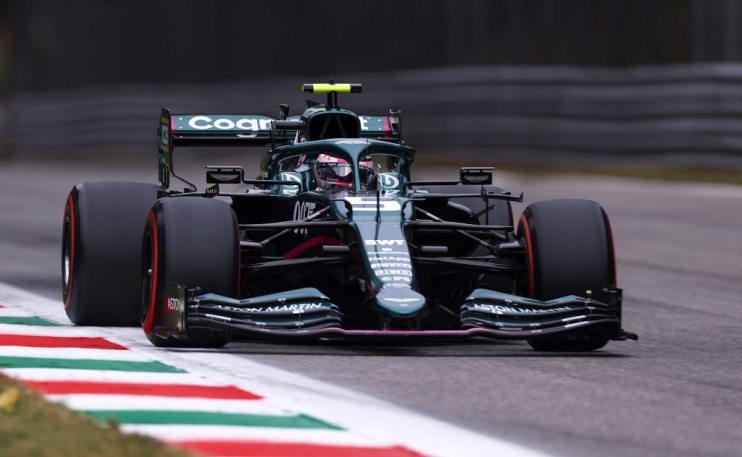
This 2021 Formula 1 season is already proving to be one for the ages but next year’s technical rule changes, largely aimed at levelling the playing field, and the need for continuous improvement mean that teams are already looking ahead.
It could be argued that this counterbalance is already coming into effect this season following the introduction of a cost cap: after 15 races, drivers from seven of the 10 different teams have already appeared on the podium.
This year the cost cap is set at $145m but it will reduce further to $135m from 2023 onwards, meaning that teams with the deepest pockets such as Mercedes, Ferrari and Red Bull can no longer spend their way out of any crisis.
But while the cost cap is seen as an equalizer to help the perceived smaller teams compete with the manufacturers, smart racing teams will recognise that the new financial regulations have as much importance as the technical and sporting ones.
As ever with guidelines, they are open to interpretation. The cost cap permits certain exclusions, including all marketing costs, driver wages, and the salaries of the three highest-paid employees, amongst others.
But much like with the technical and sporting rules, it is likely that Formula 1 teams will exploit both the letter and spirit of the financial regulations.
It is in this grey area where commercial partners can directly affect performances on track. Sponsorships are not just a way for corporate clients to obtain VIP tickets and brand awareness, but also an avenue for teams to gain a competitive advantage over their rivals. In turn, this also provides the brand in question with some incredible technology showcases for their customers to see how their product or service can operate at the highest levels of performance.
In the era of marginal gains, that same philosophy needs to apply to technical partnerships too. Now that there is a cost cap, a CFO’s effort to drive efficiencies is as important as Lewis Hamilton driving the optimum racing line.
An example of this is software solution provider IFS, which is a partner of the Aston Martin Cognizant team. With increased scrutiny on auditing finances and minimising wastage, integration of IFS software has helped to account for the team’s inventory, identification of new parts used, mileage completed and assessing crash damages. In short, the software helps with compliance, but crucially optimises performance within the financial regulations.
It remains to be clarified whether the cost of implementing commercial partners’ products falls under the cost cap or is exempt under the marketing line in the budget. Wiser teams will already be planning to see how existing and new partners can exploit the cost cap spending limit.
Outside of product use, there are real-world benefits to brands being associated with Formula 1 and it’s far beyond having a sticker on a car.
Recently, McLaren Applied Technologies worked with a consortium of blue-chip companies to improve efficiency at Heathrow Airport. The technology is used by airport officials and air traffic control to optimise the arrival and departure of aircraft using the airport, which will ultimately help reduce CO2 emissions and provide a better customer experience.
Similarly, Williams Advanced Engineering applied Formula 1 technology expertise to dramatically reduce the energy, environmental impact and cost of Unilever’s washing powder production, leading to a 15 per cent energy consumption reduction across their global supply chain.
Now more than ever, brands can directly affect the Formula 1 World Championship. While the new 2022 rules will create a technical arms race, teams should also be equipping themselves with effective commercial partners.
We are used to endemic brands like engine manufacturers having a direct impact on the track but the future will highlight how blue-chip corporates can also provide a critical competitive advantage.
Robin Fenwick is CEO of Right Formula, an award-winning global sports consultancy whose clients include SAP, Vodafone, Kia Motors, Pirelli, ExxonMobil and Hilton Hotels amongst others.