Skip to content
Saturday 8 August 2026London --:--Frankfurt --:--Zurich --:--
NewslettersSearchEN · DE
MorningWire

European business, markets and politics

FTSE 100
10,901.09
+0.31%
DAX
26,319.45
+0.69%
CAC 40
8,714.93
+0.17%
STOXX 50
6,523.86
+0.33%
  • Europe
  • Markets
  • Business
  • Economy
  • Technology
  • Politics
  • Opinion
More
GermanyFranceBankingAIEnergyFintechPropertyCapital Markets
  • Germany
  • France
  • Europe
  • Markets
  • Business
  • Economy
  • Technology
  • Politics
  • Opinion
  • DE
Friday 07 March 2025 4:31 pm

The four factors set to raise inflation this year

By: Samuel Norman

Senior City Reporter

Add as a preferred source on Google
bank of england
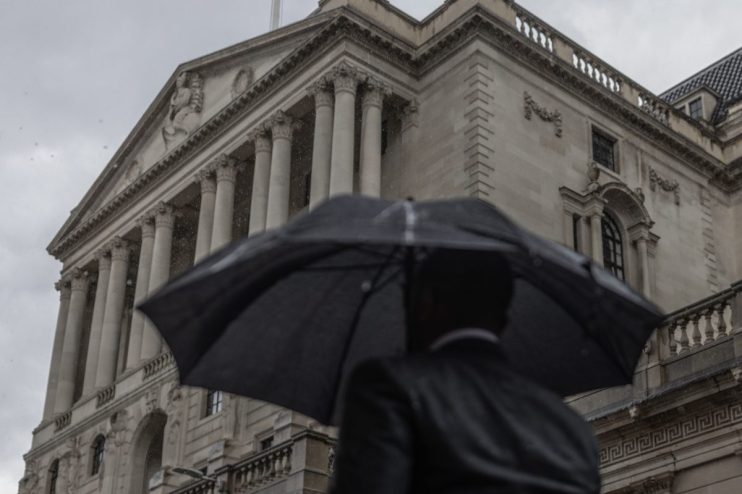
The test is the first the Bank of England has carried out on private markets

Inflation will briefly hit 3.6 per cent this year and “remain well above” the Bank of England’s target until late 2026, according to Oxford Economics.

In a report led by UK economist Edward Allenby outlined the four key drivers of inflation in the upcoming year.

Changes in the Budget

Allenby highlighted the VAT slapped onto private schools, which began in January, had caused a 12.7 per cent rise in private education prices, contributing to a 0.1 percentage point uplift in headline inflation.

Several of Chancellor Rachel Reeves’ key policies from her October Budget will officially come into law in April, including the employers’ national insurance contribution (NIC) hike.

Reeves upped the NIC rate by 1.2 per cent to 15 per cent.

The national living wage is also set to increase in April, rising 6.7 per cent to £12.21 per hour, in what could be another cost sting for employers.

Small and medium-sized businesses are expected to bear the brunt of the Budget’s impact on their cost bases, potentially leading to staff reductions and price hikes.

A strong dollar and weakened sterling

Allenby predicted the weakened stature of the pound against the dollar would be felt harshest on import activity.

He said categories such as food and core goods were likely to be the worst struck, leading to higher prices in the domestic market. 

Heightened prices in the UK market could then trigger a chain-reaction across wages, as workers struggle to meet the increasing cost-of-living.

Allenby stated Oxford Economics modelling suggested the “passthrough” of the weaker sterling would be gradual.

Read more

Hold interest rates but ‘sound hawkish’, Morning Wire Shadow MPC tells Bank of England

Andrew Bailey, Governor of the Bank of England, with the Bank of England building and Union Jack flag in the background

This implies the increased prices would hit in one wave, and instead gradually climb over time, which could help drive higher levels of inflation in the long-term.

Sharp rise in regulated prices 

As firms pour money into replacing aging infrastructure to meet requirements set by regulator Ofwat, households are set to feel the sting of increased bills. 

Water bills are expected to surge 26 per cent on average, or £123 per year, from April 2025.

The increase marks the largest jump since the water industry was privatised.

Allenby said increased water bills will be a key contributor to rising costs of core goods pushing inflation up.

He added: “The surge in European wholesale gas futures prices in December and January means the energy category will push up inflation in the Spring”. 

Higher oil prices

The price of fuel plays a significant role in inflation levels due to the impact it has on multiple areas of the economy.

Higher fuel prices increase the cost of transportation, which affects the price of goods and services that rely on transportation. 

Allenby said despite recent oil price shifts being smaller than those seen in gas, Brent crude has risen by almost seven per cent on a sterling-adjusted basis since October. 

Motorists have felt the effect with unleaded prices up by 4 per cent since October and diesel facing 6 per cent increases for the same period. 

Read more

‘False dawn’: June inflation falls to 2.6 per cent but analysts say rises ahead

Till sales growth slowed to 2.7 per cent in the last four weeks

Share this article

  • Facebook
  • X
  • LinkedIn
  • WhatsApp
  • Email

Similarly tagged content:

Sections

  • News

Categories

  • Business

People & Organisations

  • Bank of Engalnd
  • Chancellor of The Exchequer
  • dollar
  • Inflation
  • pound
  • Rachel Reeves
  • UK economy
  • water bills

Trending Articles

  • WPP slashes jobs as revenue continues to fall

  • Liverpool owners tipped to sell – but not to Amazon boss Bezos – by former CEO

  • Revolut founder’s wealth set to balloon amid talks of share award at $500bn valuation

  • Starling plans to ‘come out swinging’ in diversification bid

  • As it happened: Stocks rise despite new tensions in Strait of Hormuz; Oil price climbs

More from Morning Wire

  • Hold interest rates but ‘sound hawkish’, Morning Wire Shadow MPC tells Bank of England

    Economics
    Andrew Bailey, Governor of the Bank of England, with the Bank of England building and Union Jack flag in the background
  • ‘False dawn’: June inflation falls to 2.6 per cent but analysts say rises ahead

    Economics
    Till sales growth slowed to 2.7 per cent in the last four weeks
  • Great Britain Leads Europe’s FMCG Inflation as NIQ Launches New Inflation Barometer

    Business Wire
  • Four charts revealing scale of Andy Burnham’s economic challenge

    Economics
    Due to the lack of article title, content, categories, and tags, its impossible to create a specific, keyword-rich alt tex...
  • Healey faces £24bn spending squeeze as inflation puts tax rises in play

    Economics
    Bank of England headquarters in 2025, showcasing modern architecture and iconic London skyline in the background.
  • Bank of England holds interest rates but warns of rises to come

    Economics
    Bank of England headquarters in 2025, showcasing modern architecture and iconic London skyline in the background.
  • ‘Door is open’ to interest rate hike as inflation fears return

    Economics
    Bank of England headquarters in 2025, showcasing modern architecture and iconic London skyline in the background.
  • Bank of England to hold interest rates as oil price surge threatens UK economy

    Economics
    Bank of England building on Threadneedle Street, London, showcasing its historic architecture and financial significance
MorningWire

Independent European business, markets and political news for decision-makers.

Morning Briefing

Europe

  • Germany
  • France
  • Europe
  • UK & Ireland

Business

  • Markets
  • Banking
  • Technology
  • Energy
  • Property
  • Fintech

Editorial

  • Opinion
  • Editorial Policy
  • Corrections
  • Contact

Company

  • About Morning Wire
  • Privacy Policy
  • Terms of Use
  • Cookie Policy
© 2026 Morning Wire Ltd · Published by Morning Wire Media, Bahnhofstrasse 65, 8001 Zürich, Switzerland
Privacy · Terms · Cookies · Facebook