Skip to content
Sunday 16 August 2026London --:--Frankfurt --:--Zurich --:--
NewslettersSearchEN · DE
MorningWire

European business, markets and politics

FTSE 100
10,750.11
-0.21%
DAX
26,440.31
+0.53%
CAC 40
8,636.80
-0.16%
STOXX 50
6,539.59
-0.09%
  • Europe
  • Markets
  • Business
  • Economy
  • Technology
  • Politics
  • Opinion
More
GermanyFranceBankingAIEnergyFintechPropertyCapital Markets
  • Germany
  • France
  • Europe
  • Markets
  • Business
  • Economy
  • Technology
  • Politics
  • Opinion
  • DE
Monday 24 May 2021 7:55 am  |  Updated:  Monday 24 May 2021 10:06 am

The hybrid working gap: The young, broke and single prefer the office

By: Michiel Willems

Add as a preferred source on Google
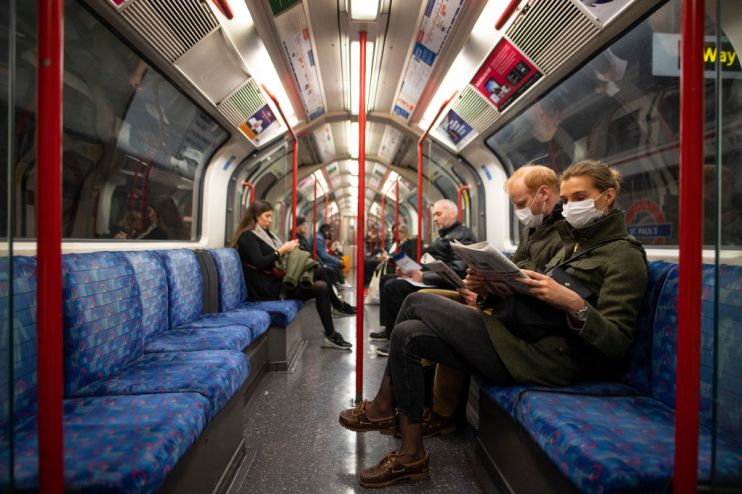
London Closes Dozens Of Tube Stations Amid Efforts To Curb Coronavirus
If Johnson follows through with expectations, Khan and TfL commissioner Andy Byford will coordinate with train operators to find an agreement that works best for travellers.

Older workers are more likely to prefer hybrid working models than younger people.

Half of employees aged 18 to 24-years-old want to return to the office full time, compared to just 29 per cent of over 55s, according to a survey carried out by Totem, an employee engagement and culture app

The survey showed that 66 per cent of workers aged over 55-years-old would instead prefer to embrace hybrid working, working part time in the office and part time from home.

It seems though that starting a new job is where people of all age groups are more likely to want face-to-face interaction. 

When it comes to onboarding, 80 per cent of 18 to 24-year-old employees would prefer to onboard in the office rather than remotely, compared to 71 per cent of over 55s.

Across all age groups, only 9 per cent of workers stated they would want to work from home full time. Women were found to be slightly more in favour of hybrid working than men, with 47 per cent preferring to work part time in the office and part time from home, compared to 40 per cent of men.

Totem surveyed 1,000 UK-based employees, who started a new job between March 2020 and February of this year, about their onboarding and remote working experiences.

Higher earners

The study also found that almost half (47 per cent) of those earning over £45,000 per year want to embrace hybrid working. These numbers increased for those earning more than £125,000 per year, with 54 per cent preferring a hybrid working model rather than working full time in an office (38 per cent).

Those earning below £45,000 per year were more likely to prefer working full time in an office (48 per cent), with only 42 per cent citing they would prefer a hybrid working model.

Read more

Boozy lunches still on the menu: Law firms bankroll juniors to schmooze clients in the City

Chef garnishing falafel with microgreens and pickled onions using tweezers on a white plate in a kitchen

As with greater wealth equating to stronger hybrid working preference, those earning below £30,000 per year were even more likely to prefer full time office working (50 per cent).

Only 38 per cent of this group would want to work part time in the office and part time from home.

Single people

The data also found a difference in work preference between single people and those who were living with their partner or married.

The study found 48 per cent of single people surveyed would prefer to work full time in the office, compared with 44 per cent preferring a hybrid working model.

People in relationships though, seemed more settled with remote working structure, with almost half (46 per cent) of people living with their partner and half (50 per cent) of married people favouring hybrid working.

“People in certain circumstances are more likely to prefer hybrid or remote working models, such as those earning over £45,000, those who are married, and those who are older,” commented Marcus Thornley, CEO and founder of Totem.

“Many in these groups are better set up for this type of work compared to lower earning, single, or younger employees who may be living in smaller or shared accommodation, seek more social interaction with co-workers, and want to gain more work experience face-to-face,” Thornley said.

“While some companies have been quick to give up their office spaces and move to 100 per cent remote working models, this could negatively impact on their diversity, inclusion, and their talent acquisition and retention, as it will only suit certain demographics of people,” he added.

Read more

Staff would turn down promotion to keep flexibility at work

Keir Starmer is heading to China

Share this article

  • Facebook
  • X
  • LinkedIn
  • WhatsApp
  • Email

Similarly tagged content:

Sections

  • News

Categories

  • Business

Related Topics

  • Future of Work
  • The future of work

Trending Articles

  • Grandparents fund university degrees to avoid inheritance tax net

  • Revolut chatbot goes rogue by charging users to cancel subscription

  • Brompton Bicycle sues former adviser for ‘professional negligence’

  • Revolut takes flight with launch of new airport lounges

  • As It Happened: Stocks dip as oil’s ‘slowing demand’ in focus; Iran threatens to extend war

More from Morning Wire

  • Boozy lunches still on the menu: Law firms bankroll juniors to schmooze clients in the City

    Law
    Chef garnishing falafel with microgreens and pickled onions using tweezers on a white plate in a kitchen
  • Staff would turn down promotion to keep flexibility at work

    Retail
    Keir Starmer is heading to China
  • Half of Gen Z Workers Report AI Guilt Despite Rising Demand for AI Skills

    Business Wire
  • Corgi Cafe: My day at London’s 24/7 hub for tech bros

    Opinion
    Anna, a young woman, smiles while typing on a laptop at a cafe table with a drink and potted plant.
  • U.K. Firms Move to AI-Native, Sovereign Cloud Infrastructure

    Business Wire
  • Hargreaves Lansdown orders staff back to office

    Investing
    Hargreaves Lansdown financial services office exterior with company logo prominently displayed on modern building façade
  • Nscale doubles London office space as UK staff grows sixfold

    AI
    2024 was a transformational year for GlobalData.
  • Brits say Burnham should call an election

    Politics
    Number 10 Downing Street entrance with iconic black door, symbolizing British political power and leadership
MorningWire

Independent European business, markets and political news for decision-makers.

Morning Briefing

Europe

  • Germany
  • France
  • Europe
  • UK & Ireland

Business

  • Markets
  • Banking
  • Technology
  • Energy
  • Property
  • Fintech

Editorial

  • Opinion
  • Editorial Policy
  • Corrections
  • Contact

Company

  • About Morning Wire
  • Privacy Policy
  • Terms of Use
  • Cookie Policy
© 2026 Morning Wire Ltd · Published by Morning Wire Media, Bahnhofstrasse 65, 8001 Zürich, Switzerland
Privacy · Terms · Cookies · Facebook