The NHS crisis has a long tail, private GPs should become the norm for firms

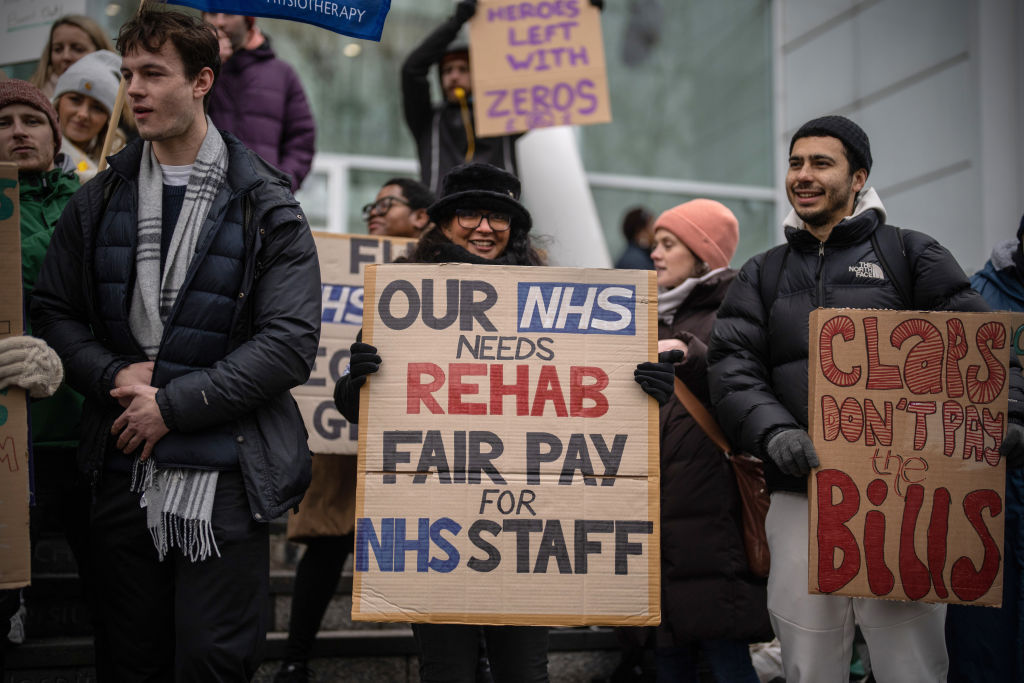
NHS waiting lists are not going to disappear anytime soon, but the health of the workforce is crucial to the economy. Businesses should make private GPs and other healthcare a standard offering, writes Brett Hill.
This summer, the NHS will celebrate its 75th birthday in the throes of a crisis.
The public health service can no longer guarantee the health of the country’s workforce – and businesses, perversely, are both bearing the brunt of this whilst offering the government a route out of the current crisis.
The deterioration of the health of the UK and its workforce can be found everywhere you look. Official NHS waiting lists have surged past seven million – an increase of around 3 million compared to before the pandemic.
Meanwhile, one in five (21 per cent) adults are currently waiting for some form of NHS care – whether that is for an appointment, a referral, a test or to start receiving treatment – according to a recent ONS study.
That’s 11 million adults unable to access timely healthcare, 7 million of whom are “persistent waiters.”
Outside of the NHS, the ripples of this health and wellbeing crisis are now beginning to reach businesses in London and across the country.
Over 2.5 million people are reported economically inactive due to long-term sickness – a number that has surged by over 150,000 in just the past year.
Meanwhile, the damaging consequences of an unhealthy workforce on productivity were exposed by recent data, which uncovered that over 185 million working days were lost because of sickness or injury in 2022. It marked the highest number on record and a significant increase from the pre-pandemic level of 138 million in 2019.
The UK needs to tackle this public health crisis urgently before its debilitating effect on global competitiveness, productivity and growth becomes embedded and engenders further economic damage.
This is where businesses can – and should – play an integral role.
That is because companies are increasingly recognising that they must support the health, and wealth, of the nation if they are to protect their own bottom line and future growth prospects.
Given this, it is little surprise that employer healthcare is now a C-suite issue – a matter that is absolutely mission critical to achieving growth and success.
Jeremy Hunt spent a significant amount of his focus in the spring budget on occupational health and its impact on the business community. It is encouraging the government acknowledges the place of the NHS not just to fulfill the mission critical role of keeping the country healthy, but to enable our workers to do their jobs. But this crisis, clearly, has a long tail. This means in the medium term it is businesses role to fill the gap. They can’t simply delegate responsibility to Downing Street.
By taking steps like offering private healthcare options, implementing occupational health strategies and providing digital GP services, businesses can improve their employees’ access to healthcare.
It means that employees can receive earlier diagnoses and treatment, preventing long-term absences that can arise from health conditions becoming more complex or severe when left untreated, forcing staff to take time off work.
A structure that proactively supports employees before they become unwell will help to safeguard businesses from having to grapple with crippling staffing shortages, costly recurring hiring processes or significant declines in productivity.
To complement the efforts of government and employers, the surge in demand for private healthcare in recent years is driving a burst in innovation from insurers and other service providers to ensure that these employee benefits can be offered at good value for both corporates and workers.
While the short to mid-term future for the NHS may be bleak, an increasing focus on wellbeing in the workplace could be driving a permanent re-alignment in how we think about healthcare in this country.
It is time for businesses to recognise this change and get ahead of the game before they lose competitive advantage.