The Notebook: Is Wapping the best place in London?

Where the City’s brightest get a few things off their chest. Today, Lucy Kenningham, feature writer at Morning Wire, takes the Notebook pen.
Is Wapping the best place in London?
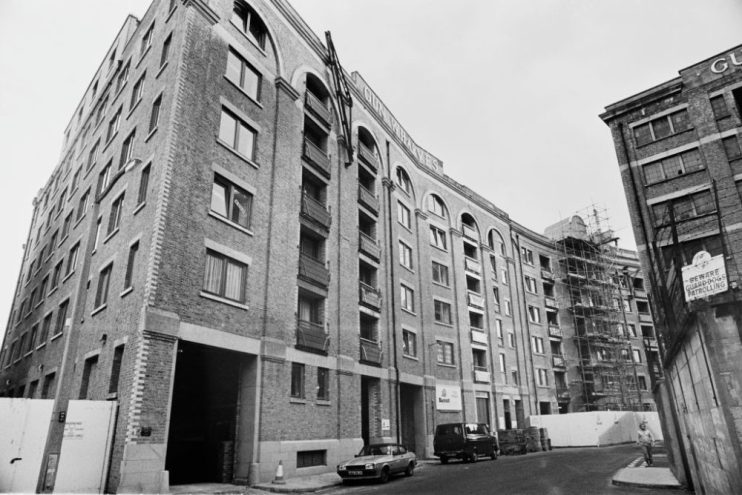
I’ve said it before but I’ll say it again: Wapping may just be the most entrancing and best preserved areas of London. With its cobbled streets, unspoiled apartment blocks and tall warehouse conversions with painted shutters, it is a vision of a Victorian past. There are very few supermarkets, and few chain shops – independent restaurants and shops prevail. Victorian gas lamps lean over the pavements. Squint to block out the few cars and you feel you’re in a foggy Victorian novel, with a Dickens character coming round the corner. Indeed, Dickens was a patron of The Prospect of Whitby, one of London’s best and oldest pubs, along with Samuel Pepys. The tavern opened in 1540 and became “the usual place for hanging of pirates and sea-rovers”. You can feel the smirk of a seafaring scallywag in the air. Snaking along the Thames and skirting Shadwell Basin and the “Ornamental” Canal, Wapping bathes in blue space.
The area’s rich atmosphere is thanks to the London Docklands Development Corporation, which regenerated the area in the 1980s after the docks closed in 1969. The LDDC designated Wapping conservation areas to protect the unique wealth of residential, commercial and industrial premises connected to the redundant London Docks, which had opened in 1805 to serve a burgeoning shipping industry – most notably importing tobacco, wine and brandy.
If all that’s not enough to tempt you, consider its proximity to the City – mere minutes on a tube or bike. Yet for some reason, Londoners forget about this under-commercialised and exquisitely protected neighbourhood. Just don’t all go there at once.
Choo choo
Recently I took the train from London to Rotterdam. It couldn’t have been a nicer way to travel to one of the uglier cities in northern Europe: fast, clean and slick, my only complaint was a nearby warbling baby, though, so delightful was my mood to be on the Eurostar, that even he wore me down with his cuteness. It was infinitely nicer than my flight back from Rhodes last month, which was cramped, delayed and nightmarishly time consuming on either end.
Yet it’s undeniable that train travel can also take up too much time – even if that time is pleasantly spent. How to convince holidaymakers – trying to maximise their days in the sun – to give up some of their vacation time to riding the tracks over taking a plane? The environmental benefits are evident: it’s between seven and 20 times better for the planet to choose train over plane.
It’s perfectly possible nowadays to go by rail to Montpellier, Barcelona, Vienna and hundreds of other European destinations. But you need to devote around a day to travel and most punters, reasonably, won’t want to waste one of their 25 days on seat 61.
However in France, a new initiative allows employees to take an extra two days off work if they are using it to travel via train (or bike). Innovative and socially responsible startups have been introducing the new form of leave called “responsible travel time”, and it’s an idea that’s been gaining traction. Could this be the solution to increasing rail use (something the government is keen to do) and combatting carbon emissions?
An ode to CP
London is the best city in the world for many reasons. Not a small one is the amount of green space in the capital, which – although I have strong feelings about the stupidity of silly little tree plantings that are nothing more than a greenwashing exercise – are significant. We have more green space than any other city in Europe. Of course, the best of these are the commons (former ‘common fields’ absorbed into the cityscape as villages morphed into ‘London’) due to their wideopenness and gatelessness and ensuing good vibes.
Yet some of our parks are pretty decent. My favourite is Crystal Palace Park. Where else can you see sphinxes and Victorian interpretations of dinosaurs? The park has incredible views out off London, a huge pylon, a maze (don’t go there if you need the loo), and beach volleyball courts. Yet its rose garden does leave something to be desired.
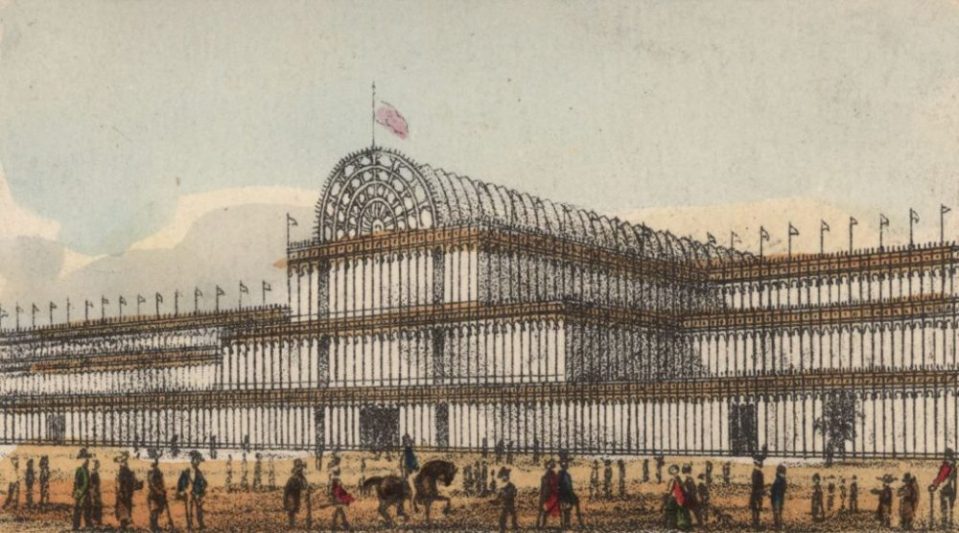
Now, we hear, it’s being regenerated: £17.5m is going to be dropped on the south London park including its Grade I listed paleo-inspired sculptures. The original Crystal Palace – the world’s first theme park – burned down in 1936 (which a delightful sign will tell you all about in a riveting story involving a little dog) but you can marvel at the site and remnants of its past glory. The dinos will soon be complemented by “paleo-inspired planting” according to the press release. Us Londoners are luckier than we know.
Ahoy there
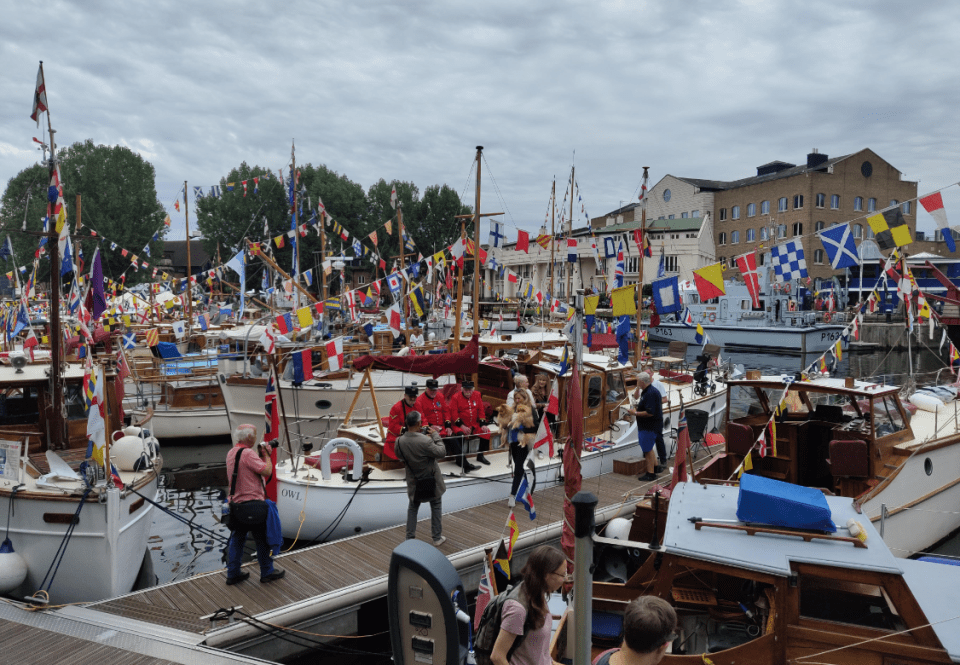
Over the weekend I was a very happy attendee of the annual Classic Boat Festival at St Katherine’s Dock near Tower Bridge. The enchanting marina – which is consistently and, in my opinion, weirdly overlooked by Londoners – was packed with huge vessels and hordes of festive flags. Tourists and marine-traffic lovers flocked to the dockside. I can see why: aside from gazing open-mouthed at the huge, awesome boats on display, you could even get on them and take a look inside (they were so big, the Edith May even had a bar inside it). In all there were over 50 beautiful vintage and exquisitely preserved vessels floating in the historic central and west basins. Don’t let anyone tell you London doesn’t have it all – nautical displays and associated activities included.
The unethical profession
When does a journalist cross the line into immorality? Thanks to one of my editors’ totally random and definitely not-pointed-at-all book recommendations, I’ve been confronted with the possibility that a journalist’s mission is, erm, less than ethical. In Janet Malcolm’s seminal text The Journalist and the Murderer, the New Yorker writer analyses the case of a hack, McGinniss, who writes a book with and about the convicted murderer, Macdonald. McGinniss convinces Macdonald that his portrayal will be sympathetic and Macdonald divulges all.
Upon the revelation that the published book slams him, Macdonald brings a lawsuit against McGinniss and – here’s the clincher – the jury eventually side with the convicted murderer. It’s probing from the outset: “Every journalist who is not too stupid or too full of himself to notice what is going on knows that what he does is morally indefensible.” The journalist is in a bind: to extract information from a subject, it makes sense to act nice – even if your purpose remains the Cold Hard Truth. But hoodwinking a subject seems wrong too. So where does the line fall?
Danes doing good
On Saturday I met some Danish friends, one of whom informed me that almost 40 per cent of Danes volunteer regularly. This turns out to be true – and in fact in Norway the numbers are even higher with 61 per cent of the population helping out for free. In the UK, that figure is closer to 16 per cent. Over in Denmark, people are literally patrolling the streets for drunkards out of their own good will. Imagine that in Britain, folks. Can’t? Neither can I. Yet could the tectonic plates be shifting? Research found this year there’s been a fivefold increase in companies offering volunteering opportunities, probably due to ESG postulating. Whether people actually take up these do-good days is another matter – but it’s always good to hope for the best.