The nuclear Nimbys are coming – is the government prepared?

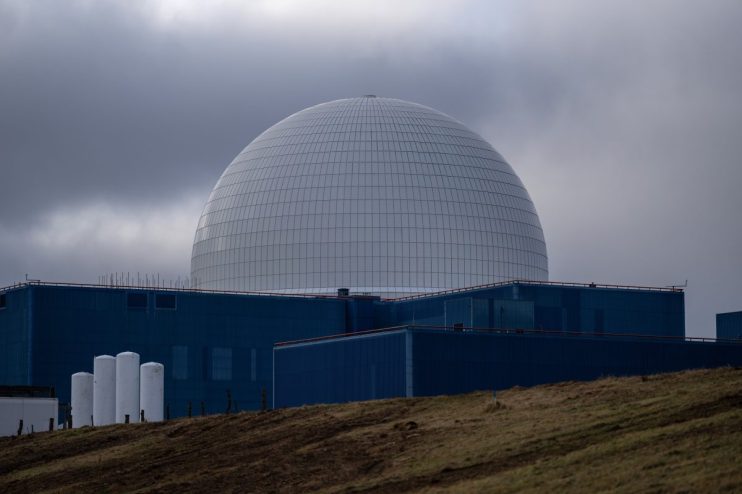
Nuclear generates a more visceral public reaction than almost any other infrastructure. The mental images of Chernobyl’s melting reactors must be neutralised by a bold, realistic vision of Britain’s energy future, says Chris Hockell
Renewables were supposed to protect the British grid from energy shocks. The reason they haven’t is simple. We need gas to fill the energy shortfall left by still, overcast weather.
For true energy independence, our grid needs to be backed up by a dependable energy source that’s insulated from the whims of pariah states. Nuclear is the only low-carbon candidate.
As the long-overdue deregulation of the British nuclear sector starts, the government must prepare for a battle with the Nimby Fueled by mental images of Fukushima and three-eyed fish, the nuclear Nimby reaction is likely to be as explosive as it will be misplaced.
As bills mount and renewable subsidies surge, the British belief in a renewable-only energy diet is waning. It’s time for nuclear power to become central to our collective vision of an independent, powerful, and prosperous nation.
Britain should have already learnt this lesson. After the 1973 OPEC oil shock, France decided it would never again be held hostage to volatile fossil fuel markets. It built 56 reactors in 25 years. They famously built support by proudly declaring that “In France, we do not have oil, but we do have ideas.” Today 65 per cent of French electricity is from nuclear.
Britain has built one reactor in the same time frame. The Hinkley saga is a symbol of Britain’s regulatory paralysis. Approved in 2016 at £18bn with a deadline of 2025, it is still four years away from generating power. This all comes with the price tag of £49bn in today’s money, making it the most expensive reactor in the world.
The reforms recommended by the Fingleton Taskforce were blunt about the regulatory quagmire facing British nuclear projects. Nuclear projects currently face up to eight separate regulators, multi-year planning battles, and a legal environment where any local challenge can derail nationally significant infrastructure for years.
Regulatory reform is only the first step. Planning frameworks can be rewritten from Whitehall. However, ministers cannot stop residents from mobilising against nuclear reactors. And mobilise they will.
Visions of Chernobyl
Nuclear generates a more visceral public reaction than almost any other infrastructure. The mental images of Chernobyl’s melting reactors must be neutralised by a bold, realistic vision of Britain’s energy future.
That’s why the nuclear Nimby’s safety and environmental concerns must be met head-on.
On safety, the accidents that shaped public perception involved older designs and, in two cases, catastrophically outdated regulatory cultures. Modern pressurised water reactors are among the most studied pieces of infrastructure on earth. Nuclear power’s safety record, measured by deaths per unit of energy produced, is better than oil, gas and coal, and comparable to wind and solar.
On the environment, both offshore and onshore wind farms encroach far more on the British coastlines and countryside, and the species that live there.
With today’s engineering, the danger of nuclear waste is, like the famous Springfield Incident, largely imagined. And finally, the CO2 emitted by gas plants that will perpetually be filling for variable renewables will have a far greater impact on nature than the build-out of nuclear power.
Labour may have lost grip of the national spirit. However, parties with no political capital left to burn have a last-chance advantage; they have nothing to lose. If there was ever a time for Labour to make an aggressive case for nuclear, it is now.
Britain missed its 1973 moment. In 2026, we cannot afford to let another current crisis go to waste.
Chris Hocknell is founder of sustainability consultancy Eight Versa