
The pandemic’s lasting impact is huge… How can the little idea of recycling help?

The pandemic’s lasting impact is huge… How can the little idea of recycling help?
For the past 2 years, it’s been one thing after another: Covid lockdowns, more Covid lockdowns, Russia invading Ukraine, and a few more Covid lockdowns (looking at you China). Therefore, it comes as no surprise the global economy continues to take a hit. Share prices plunged in March 2020, and whilst on the up, plunged again in February 2022. Turbulent markets, rising prices of commodities, the soaring cost of living, and a decrease in consumer purchasing power as a result of Covid (and war) could stick around for some time yet.
Worldwide Economic Downturn?
The strength of the Pound has been declining since it was announced the UK would be leaving the EU, and after the devastating world events of the past 2 years, has seen no recovery. UK GDP slowed from 0.9% in Q1 to 0.5% in Q2. After falling by 0.3% in 2022 Q3, UK GDP is however expected to have grown by a mild 0.1% in Q4 GDP, and projected to continue to fall throughout 2023 and 2024 H1, as high energy prices and materially tighter financial conditions weigh on spending.
In Europe, recovery is subdued. In the US, GDP decreased 0.6% in Q2 2022 following a 1.6% decline in Q1. However, GDP increased at an annual rate of 2.9 percent in the fourth quarter of 2022. And according to the World Bank, many global economies are headed towards recession.
To compound the issue, in the UK, September 2022 saw inflation risr to 10.1% and have not yet fallen below 10% since (currently 10.5%). That is well above the 2% target. Similar trends are being experienced across Europe: euro-area inflation was 9.1% in August and stayed above 9% for the remainder of 2022.
The current rate of inflation in the USA is 6.45%. The rates seen recently haven’t been seen since 1981 — a period dubbed “The Great Inflation” which was accompanied by four economic recessions, two severe energy shortages, wholesale abandonment of post-WWII monetary policy, and considered “the greatest failure of American macroeconomic policy in the postwar period” (Siegel 1994). For additional context, the US inflation rate hasn’t been over 3% in ten years, or over 4% in twenty.
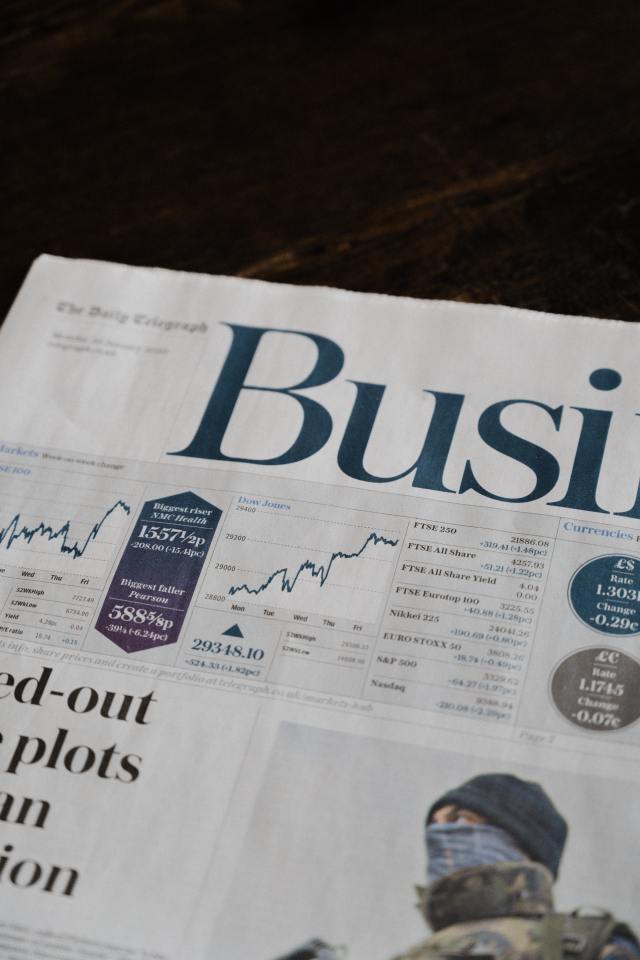
This is no small problem.
There has been some good news. Developing markets have been largely unaffected by Covid’s economic impacts. Nigeria’s annual growth was forecast to be 3.4% for FY22 after Q1. Despite the growth, Nigeria hit an inflationary rate of 20.52% in August 2022 (exceeding July’s 17-year high of 19.64%) and Ghana reached an 18-year high of 27.8% in May, a number which has been exceeded even further in August to reach 33.9%.
Labour Market
The current market is a job seeker’s one, with many companies looking to rehire and grow after Covid’s forced closures, job seekers are benefiting from an abundance of jobs. Forced returns to the office are hurting many companies, with employees jumping ship to work at companies continuing to offer WFH or favourable hybrid arrangements; companies offering poor salaries risk losing good talent as the majority of salaries available are behind the current inflation being experienced by the cost of living. Of course, it’s case by case. Many job seekers may have different experiences of this supposed ‘job seeker’s market’, especially as costs are increasing across the board, adding additional pressures to organisations’ fiscal positions.
Unemployment in the UK has fallen to a low of 3.7% (as of January 2023), however, due to inflation, redundancies and unemployment are set to soar to 5.5% in the next 3 years.
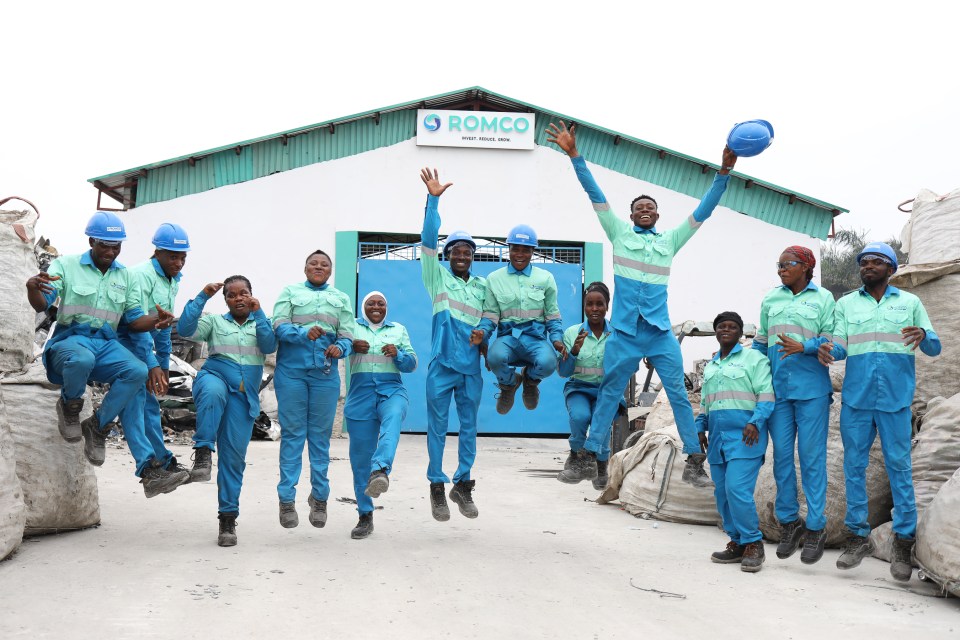
As of December 2020, unemployment in Nigeria recorded 33.3% (up from 27.1% in Q3 2020). For those in employment, the labour market exhibits a near equal gender split: 45.5% of the workforce is made up of women. Not least in part to changing societal roles, attitudes, and company’s efforts to be equal employers. For example, metal recycling company Romco maintains a 50-50 split of genders, and most importantly, ensures a gender pay gap is non-existent between the 2 genders in the same role.
Metals Market
Prices are high and the market is extremely volatile.
Nickel has had a “bonkers” year in 2022. The LME halted trading on March 8 and didn’t resume it until March 16 — LME trading volumes and liquidity are at all-time lows with limits to market movement now in place. It’s not just nickel experiencing a downturn. Prices of aluminium on the LME peaked at the beginning of March 2022 and as the effects of Russia’s invasion took hold, the price has been declining ever since. There was some respite in May, with prices temporarily increasing before heading back down in June; although decreasing, prices are still significantly higher than pre-pandemic in 2019. Similar to aluminium, LME copper prices peaked at the beginning of March before heading downwards. In contrast, since May 12th, prices have been on the up – it’s a volatile market and there’s no telling how long it’ll be before prices start declining. The prices of other metals are no exception; they’re wildly shifting and with the state of the world being what it is, prices are unlikely to stabilise for quite some time.
Inflation, scarcity of raw materials, and rises in post-pandemic metal demand are the driving forces behind the soaring prices; from during to post-pandemic, metal demand has done a complete 180. Sharp changes in demand have presented big challenges for commodity producers.
Lower production was sufficient to satisfy lockdown-level demand, however the challenge of scaling production back up has lagged behind the return to ‘normal’ resulting in a supply gap and stock shortages.
Another important consideration when referring to aluminium smelting is the cost of energy (like to: The Cost of Living Crisis Is Not Just Local, It’s Global. We Need a Global Mindset to Tackle It). Aluminium production is an energy-intensive process and given the eye-watering prices of energy, the cost-effectiveness of producing aluminium is dwindling. To compensate for the increased cost of production, producers will have to raise costs – further contributing to rising inflation. A cost that will inevitably be passed onto consumers whose disposable income is already near £0 in most cases. Thus, creating a scenario where another crash in demand is inevitable.
Low-Cost Alternatives
Reduce the cost of source materials and the cost of turning those materials into usable products, then you’ll have a high-quality product for a fraction of the price, achieving the same or greater profit margins.
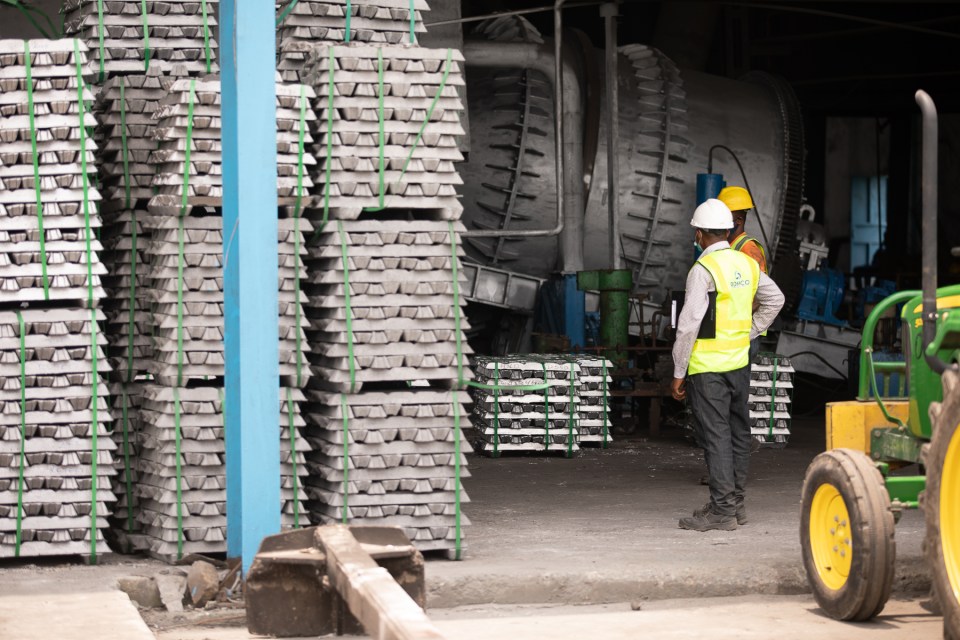
Mining bauxite is environmentally damaging and resources are on a tight deadline. Aluminium is at the crux of the sustainable and electric revolutions: EVs, car batteries, housing, packaging, and technology. We need to produce it. Conveniently, the properties of aluminium lend itself to the biggest drive towards sustainability – Recycling. Rather than mining more bauxite, collect scrap aluminium, sort it, smelt it, recast it, and then sell it. Rinse and repeat. All for a fraction of the cost, in both CO2 emissions and energy input. Unlike bauxite, there’s an abundance of secondary feedstock, and as the secondary aluminium reaches the end of its life, it re-enters the cycle as tertiary feedstock. Unrestricted, unlimited feedstock keeps the price of production down in a 95% more energy-efficient process (which is good news for your energy bills).
In short, the best way to tackle inflation, rising costs, and the sustainable revolution is to recycle: reduce landfill, reuse and repurpose scrap, and then recycle it again. Reduce, reuse, recycle. It’s the future.
The pandemic has affected us all and the costs are still ongoing. To explore a company that has successfully navigated those challenges and is working to exponentially grow in the post-pandemic era sustainably, please subscribe to our news at https://romcometals.com/news-insight/, or visit romcometals.com