The path towards a more equitable Olympic Games future
Enhanced cooperation is essential amongst the governing bodies to ensure the Olympic Games have a more equitable future, write Benoît Pasquier and Alexander Needham of Charles Russell Speechlys.
The essence of sport hinges on the principle of a level playing field and it is this very foundation that makes competition compelling. The evolution of the Olympic and Paralympic Games has been marked by a concerted effort to ensure equity and inclusivity.
Beneath the parapet of the United States’ and China’s domination of the medal tables at the Paris 2024 Olympic Games, which has been a consistent theme for many years, there has been a noticeable shift towards a more equitable distribution of medals amongst a broader range of countries, driven by the globalisation of sport.
| Position | Nation | Gold Medals | Medals |
| 1 | United States | 40 | 126 |
| 2 | China | 40 | 91 |
| 3 | Japan | 20 | 45 |
| 4 | Australia | 18 | 53 |
| 5 | France | 16 | 64 |
How is this achieved?
This is a complex task, involving a highly intricate ecosystem of organisations, including the International Olympic Committee (IOC), National Olympic Committees (NOCs), international and national sports federations, and governments (collectively “the governing bodies”), all working in tandem to create conditions that allow for fair competition.
The IOC, alone, made significant investments in the lead up to the Paris 2024 Olympics by providing support to:
- NOCs, via its Olympic Solidarity programme, to provide for Olympic scholarships and contribute funding towards equipment, training costs and travel to international competitions so that athletes can not only qualify for the Games, but also compete with pride and achieve impressive results
- Host cities, not only in the development of facilities to be used throughout the Games, but also with legacy planning to ensure communities in the area benefit for years to come
- Advance gender equality and inclusivity
- The Youth Olympic Games, which is established to engage younger athletes and promote sports participation among the youth worldwide
- The addition of urban sports.
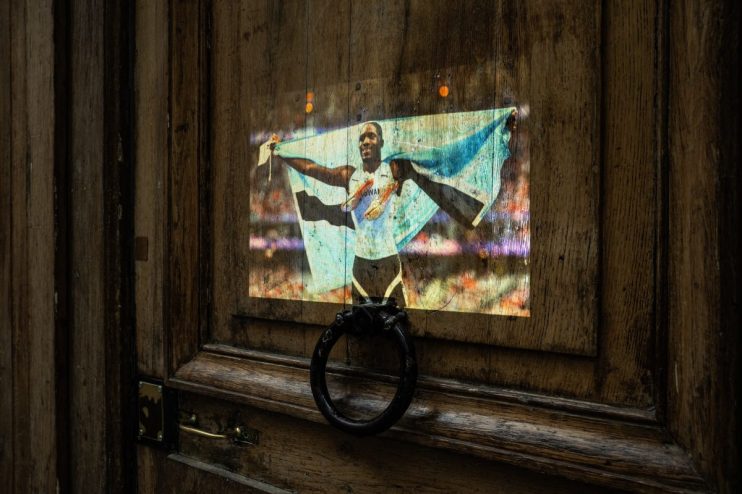
As a result of this support, we have seen success stories such as Botswana’s Letsile Tebogo becoming the first African to win the men’s Olympic 200m title having been supported by the Olympic Solidarity programme and gender parity being achieved for the first time in an Olympic Games.
Future challenges
However, despite the successes, further considerations need to be undertaken globally by the governing bodies, to assist athletes hoping to compete in future Games.
For instance, although Great Britain has a competent national funding structure in place which ensures that athletes at all levels have equitable access to the resources they require, there is still a need for a significant number of GB athletes to have to supplement the income earned from their sport with other jobs that are unaffiliated with their sport. We appreciate that this situation reflects a broader international issue where athletes often lack sufficient financial support.
The traditional stance of the Olympic Games against financial support, in the form of prize money, is being challenged by the necessity to preserve the Games’ commercial value and ensure it attracts the best talent. For some disciplines, the situation may improve as international federations, such as World Athletics, pay medallists in the 48 athletics events, starting with the 2028 Los Angeles Olympics.
However, the broader financial landscape for all Olympic athletes remains uncertain. The contentious Rule 40 of the Olympic Charter restricts athletes’ and brands’ advertising activities during the Games.
Our colleagues wrote on exactly this issue for Morning Wire in June this year. Such restrictions can deter sponsorship opportunities, limiting financial rewards for Olympians competing in what is described as the world’s foremost multi-sports event. As a result, wealthier nations, such as Australia and the United States are rewarding their athletes on a national basis, recognising that without such incentives, their athletes might be drawn away to other sports which goes against the ethos of global solidarity.
The impact of climate change
Separately, the changing climate poses additional challenges for athletes. Athletes who cannot relocate to train in more favourable conditions face significant disadvantages, whether they are trying to escape extreme weather that disrupts their training or seeking climates that better prepare them for competition. Addressing these multifaceted issues is crucial for the equitable advancement of athletes on the global stage.
The Paris 2024 Olympic Games marked a significant step towards inclusivity, with a broader range of nations gracing the medal table than ever before. However, the intricacies involved in aligning various measures, synchronising them, and ensuring that the legal and financial structures are in place – whilst also providing adequate motivation for all parties involved – are considerable.
A collective bargain
To navigate these complexities, enhanced cooperation is essential amongst the governing bodies. It is through unified efforts and strategic partnerships that the Olympic movement can advance, safeguarding the essence of equitable competition that is central to this global event. Looking ahead, the evolution of sports on a global scale will be crucial in upholding the dreams of every athlete wishing to compete on this prestigious stage.