The public won’t reward government overspending – just ask Ed Miliband

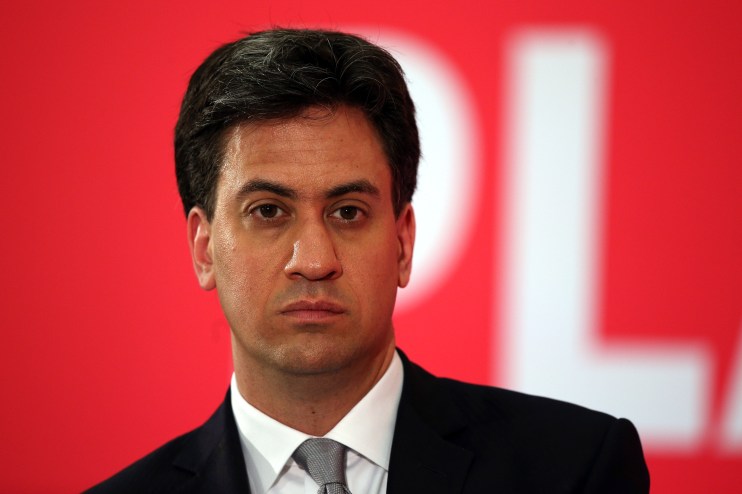
Ed Miliband went on and on about the cost of living crisis in 2015, but he lost that election because the public could see his sums on spending didn’t add up. Cuts, not tax rises, are the only way to avert a crisis, says John O’Connell
We are in a cost of living crisis. Aren’t we always? When Ed Miliband was leader of the Labour Party, he hammered this theme aggressively in the run up to the 2015 election. Fast forward 10 years and things haven’t got any better. We all know the cost of getting a round in for your colleagues; rent is punchy, to put it mildly, and energy bills eat up a decent portion of post-tax income.
But instead of sticking plaster ‘solutions’, we should ask why things are so expensive. A cursory analysis shows we actually have a severe cost of government crisis – we spend too much money, over regulate and have a crippling tax burden, which leads to higher prices.
Take the employers’ national insurance increase from last year’s disaster Budget. We were told that businesses would pick up the slack. But businesses are nothing more than filings at Companies House – they can no more pay taxes than your toaster can pay the electricity bill.
People pay taxes. So instead, workers received no pay rises (or lower than they could have been); prices for consumers went up; and returns to capital reduced (thereby disincentivising investment and job creation).
Of course, the reason why politicians are desperate for any extra revenue is that they spend too much money. The TPA has been sounding the alarm on excessive spending for many years, but with all the talk of a potential IMF bailout and the government’s inability to get through small reductions in the increase in welfare spending (ie not “cuts”) it feels like more attention is being paid to the cost of government crisis.
The highest spending in peacetime history
In 2024-25, the OBR forecasted that UK government spending reached nearly £1.3 trillion, or around 44 per cent of GDP. At this level, current spending is close to the highest sustained level of public spending in modern UK peacetime history. It tracked higher during the pandemic (53 per cent of GDP in 2020–21) and during the post-2008 financial crisis (at 46 per cent of GDP). But for families and businesses paying the bills, today’s record high tax burden is funding a permanently larger state rather than a one-off crisis response.
Does anyone really feel that all this extra spending is worth it? Polling usually tells us that people are happy to have more money spent on public services, and it is true that it is politically difficult to take stuff away from people. But as per the potential IMF bailout, it may come to a point in the not too distant future where ‘cakeism’ will be brought to a brutal end by external forces.
So it is better to get to grips with the problems ourselves. Welfare spending this year will be approximately £313bn. The bill for personal independence payments rose from £15.8bn in 2019-20 to £26.5bn in 2024-25, in real terms. That is an increase of 68 per cent since the pandemic. Getting a grip of these monster bills – along with health and social care, and public sector pensions – is the sustainable way of reducing the cost of government.
How much should we spend? The economist Vito Tanzi suggests that extra spending ceases to contribute to increased human development beyond 35 per cent of GDP. We’ve previously set out a plan to cap spending at 33 per cent of GDP: £1 for every £3 raised in the productive economy should be ample to defend the state properly, police the streets, prosecute criminals and protect those in need, among other priorities.
Some argue there are no current political rewards for reducing public spending. But thinking back to 2015, it wasn’t Ed Miliband’s Labour who won the election – it was the party offering more spending restraint. Perhaps the British public are more perceptive than political strategists give them credit for.
John O’Connell is chief executive of the TaxPayers’ Alliance