The sky is the limit: Sustainable aviation does not need to be an oxymoron

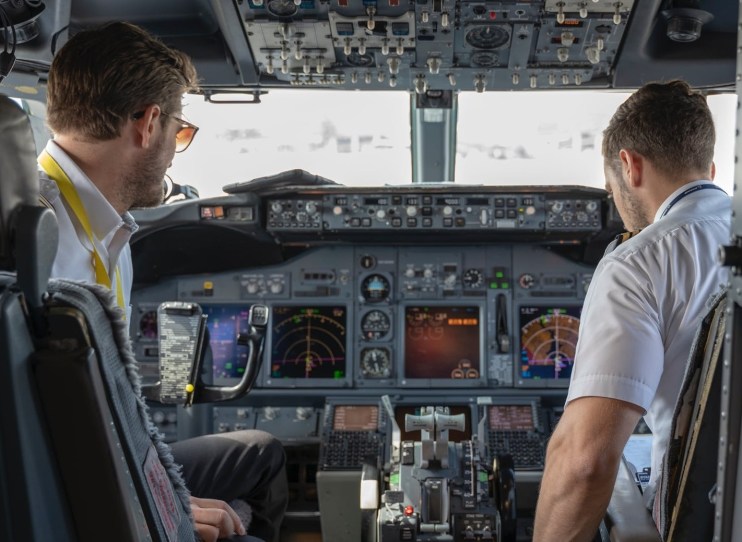
Aviation and sustainability don’t exactly go hand in hand.
With aviation responsible for approximately 2.5 per cent of the carbon emissions that are warming the planet, according to the International Energy Agency, clearly something needs to be done.
“Businesses and consumers alike agree that flying less is vital today than it has been in the past – but let’s not fool ourselves: the aviation industry isn’t going anywhere – no one really wants that,” according to London-based consultant MaryLee Sachs, CEO of Brandpie.
What stakeholders really want from aviation businesses is concrete, meaningful changes at scale, led by those at the top.
“The key to actioning those changes? It’s purpose,” Sachs told Morning Wire today.
Purpose as a pandemic beacon of light
Purpose must be a business’s North Star; and now more than ever, purpose should have sustainability baked in.
“The pandemic has shown that without the foundations of purpose as a guiding beacon, navigating uncertainty is nigh-on impossible,” Sachs said.
A CEO report by Brandpie from last year examined just this: Out of 700 CEOs, nine in 10 CEOs agree that since the pandemic began, purpose has becoming increasingly important to the success of their organisation, and that purpose has helped guide their organisation through uncertain times (89 per cent).
A similar percentage (86 per cent) agree that purpose has made them rethink how they can positively contribute.
However, Covid 19 had another impact when it came to the aviation industries: many suggested that one of its few silver linings was the enforced reduction in flying, and therefore in carbon emissions.
Seeing vs saving the world
Naturally, cessation of commercial flights had a devastating financial blow for aviation companies.
So as travel tentatively begins to open up again, is it really possible to keep people flying in a way that’s sustainable?
Ed Bastian, CEO of Delta Air Lines, would argue that there is. In 2020, the company pledged to spend $1bn, around £750m, over 10 years to cancel out all the emissions it creates through initiatives like fuel-efficient planes, sustainable aviation fuels, investing in carbon offsets, and reforestation and clean water projects.
In 2021, Delta set robust long-term climate-related goals including committing to set a science-based carbon intensity target to be achieved by 2035, net zero emissions by 2050 aligned with the climate coalition, UN Race to Zero, and reaching 10 percent SAF use by 2030.
Given the limitations of technology, the airline purchases carbon offsets to neutralize any carbon it does emit.
“Delta states that its purpose is around offering the world connection, something that has been severely challenged over the pandemic, and which to many, might sit in opposition to moves to increase the price of flying and make flying less environmentally damaging overall,” Sachs noted.
“However, the business’s true adherence to its purpose sets a high bar to aim for in a clear, genuine and authentic way, serving as the promise and vision that it aims to fulfil, as well as providing guidance for the short-term,” she said.
“It’ll take time for technologies like sustainable aviation fuels to be developed and provide commercial feasibility, but there are things we can do today — it doesn’t have to be this far-off 30-year journey.”
“Sustainability is fundamental: if we don’t have a sustainable future we don’t have a sustainable business. We don’t want to put our customers in a position of having to choose between seeing the world and saving the world.”
Challenge
Shai Weiss, CEO of Virgin Atlantic recently appeared at a panel event alongside Ed Bastian and said that its people – both staff and customers – that underpin the company’s purpose: “It’s in our DNA: at the heart of everything was the love and passion of our people to do the right thing as a business as a force for good.”
So where does that “force for good” at Virgin Atlantic apply when it comes to the climate crisis?
“It starts with the recognition that sustainability or climate change is the challenge of our lifetime.”
Shai Weiss, CEO of Virgin Atlantic
“It may feel like the biggest challenge of our lifetime [at Virgin Atlantic] is the pandemic, but the one that transcends that is ‘should air travel exist?’, and asking if it’s really necessary both for visiting loved ones and for business. But it’s not an either or: it’s a ‘we must do this better.’”
According to Weiss, Virgin Atlantic operates the youngest, cleanest fleet in the skies and has pledged to be net zero by 2050; but in the shorter term, it aims to reduce gross CO2 aircraft emissions by 15 per cent by 2026, a 15 per cent net reduction on a 2019 baseline by 2030 and 40% net reduction by 2040.
That means decreasing operational aircraft emissions and introducing sustainable aviation fuel. “There’s a lot to get done,” he acknowledges.
“The path to net zero in aviation is a very tough problem, but it’s our job to solve it. If we’re not going to try, no one will.”
People, power and purpose
Although vast, ambitious structural changes are ongoing, and more need to be made; these are all the more achievable if organisations put business purpose — not just brand purpose — at the heart of everything they do.
“Where brand purpose is problematic in that it’s often reactive, responding to constantly shifting goalposts in the social zeitgeist, or reverse-engineered onto a company as part of a consumer-facing marketing strategy; business purpose, on the other hand, is foundational,” Sachs explained.
A well-thought through purpose statement is more than words on a website. Its implications are massive.
When an organization like Delta chooses to hire a Chief Sustainability Officer, or when Virgin Atlantic’s invests billions of dollars in fleet transformation to reduce carbon emissions, and operates the world’s first commercial flight using LanzaTech’s sustainable jet fuel, “that’s purpose in action,” Sachs stressed.
“True purpose is more than a message that informs your communications, it’s the reason your communications exist in the first place. It doesn’t just account for the longevity of a business, but for the wellbeing of its people, its consumers, and the world more broadly.”
“With purpose, sustainable aviation needn’t be an oxymoron,” Sachs concluded.