The UN treaty that’s been incentivising Britain’s blockers since 1998

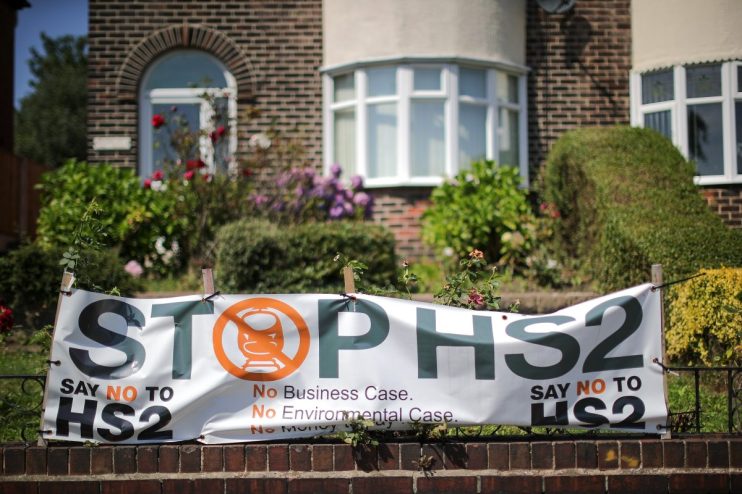
Leaving the Aarhus Convention would make it easier to build homes, roads, reservoirs, railways and companies – and harder for degrowth activists to needlessly delay projects, writes Tom Willerton-Gartside
For 70 years, economic growth has been on the decline. Britain, once the richest country in the world, has some of the worst GDP per capita growth in the developed world. London, once the financial capital of the world, has slipped to 23rd in the global IPO rankings – behind Spain and Turkey, and only just above Greece. This is a growth emergency.
Travel around the country and you’ll find the same story time and again. Our industries have been hollowed out, our infrastructure is broken and the living standards of the British people, young and old, have steadily deteriorated. Nearly 1,900 British businesses go bust every month – a third higher than the average in the decade following the 2008 financial crisis. More than 1m young people are now not earning or learning. And this year alone, Brits have endured blackouts and gone without access to clean, running water.
The answer is not another review, commission or consultation. Rather, it is to replace the system that has blocked Britain from building and just doing stuff. We need to make it far easier to build homes, roads, reservoirs, railways and companies – and harder for degrowth activists to delay projects and drive up costs through endless objections and legal challenges.
What is the Aarhus Convention?
One change that must be made is to leave the Aarhus Convention. Signed in 1998 under the United Nations (UN), and written into UK law thereafter, it often forces the taxpayer to fund legal costs that individuals and organisations would otherwise have to pay when they try and fail to block projects. This is because the rules cap the liability at £5,000 for an individual and £10,000 for an organisation, leaving the state – and by extension the British people – to foot the rest of the bill.
In practice, this has incentivised delays because it has made it far cheaper for the blockers to take infrastructure projects to judicial review, even when there are no real grounds. Combined with an expanded number of ways to legally challenge plans in recent decades, our politicians have created a system where potential developments can be dragged through years of legal challenges, even after they have already been approved by the government.
Each delay creates further uncertainty and increases costs. But the most important added cost is not the money spent on legal fees, but rather the cost of not building. Every year a road is delayed is another year of gridlock and slower connections. Every year we wait for more reservoirs or desalination plants is another year of hosepipe bans and water shortages. And every year we fail to build out our energy infrastructure is another year that Britain’s industries have to suffer under some of the highest prices in the developed world.
Burnham must let Britain do stuff again
Last week, Andy Burnham told The Times that he has “deliberately gone out this first month just doing things… no reviews, no commissions, no consultations.” This may not be true, as The Spectator showed over the weekend, but if the Prime Minister really wants to get stuff done, then he has a ready-made opportunity. Leaving the Aarhus Convention would be an easy and quick place to start to make an immediate difference.
For decades, our politicians have accepted a broken system, and allowed an entire generation to grow up believing that building anything costs too much and takes too long. Britain’s decline is not inevitable or fate – it is a choice. Leaving Aarhus would not fix Britain’s growth emergency overnight. Nor would it be enough on its own. It should just be the beginning, and the start of a new system that lets Britain just do stuff, once more.
Tom Willerton-Gartside is the head of press at Looking for Growth