The winners and losers of London’s work-from-home economy: The City, the Wharf and the Burbs

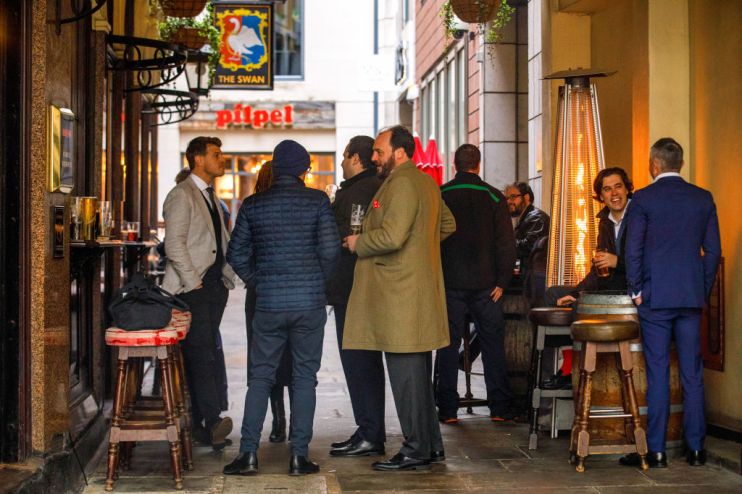
The pandemic may have ended, but the lasting work-from-home culture has changed how people splash their cash – and invariably it’s on a Thursday now.
Empty restaurants, but heaving happy hours in pubs, is the perhaps biggest shift for the hospitality sector as consumers change their habits to meet a new work-life balance.
A new report from MasterCard lifts the lid on key trends – and while many have pubs, bars and restaurants may have struggled to adapt, it’s certainly not all doom and gloom.
So who are the winners and losers?
Pubs, pubs, pubs (kind of)
Brits love a drink after work, and the data shows that card spending during happy hour is up by more than 10 per cent from the pandemic.
With people working more days at home, the chance to spend time with colleagues becomes more valuable, and it’s clear they’d rather have a beer than a curry.
Office workers are shunning lunches and breakfasts during the day, which are down 18 per cent and 15 per cent on pandemic levels.
While the trend suggests pubs will be benefiting from increased drinking, it’s also clear that it peaks on Thursday, where bars are heaving at the end of the week.
Many have become TWaTs – a term coined by this newspaper to mean Tuesday Wednesday and Thursday office-working patterns – despite a push from some corporate firms and banks to get people back at their desks full time.
In the City and Canary Wharf, the share of London’s restaurant spending only ever nears pre-pandemic levels on Thursdays, whereas beforehand it rose every weekday from Monday, peaking on Friday.
In 2023, spending is concentrated between Wednesday and Friday, peaking on Thursday, which has become the most popular day for working in the office.
Pubs in particular have been hit hard by soaring inflation and cost-related problems. Since the war in Ukraine, the energy crisis has increased the cost of beer to more than £7 a pint on average, meaning many Brits are cutting down in a bid to save money.
While consumers cut back, the cost of maintaining hospitality outlets keeps going up, especially due to soaring energy bills, which has meant hundreds of watering holes closed in the last year.
Restaurants suffer, but Burbs pick up the slack
MasterCard’s figures paint a grim picture for eateries in the Square Mile, with restaurant spending in the City and Canary Wharf plummeting by 16.6 per cent of all spending in London, down from 20.1 per cent before the pandemic.
Perhaps the biggest loser from the pandemic shift has been Mayfair, which has seen one of the biggest falls in restaurant and bar spending for any postcode.
It showed the fall was driven by night-time spending, declining from 6.4 per cent in 2019 to 4.2 per cent in 2023.
With thousands of City workers now spending more time in their living rooms, going out after work means going local.
According to the figures, affluent residential areas in south-east London, such as Blackheath, Denmark Hill, Dulwich and Greenwich, have cashed in massively.
Suburban workers are more likely to work from home, and restaurants and bars in these areas have picked up most of the share of spending, rising from 3.7 per cent in 2019 to 6.5 per cent in 2023.
South-east London continues to capture an ever-larger share of spending, expanding even in comparison to 2022, partially due to soaring rents and mortgages which are pushing Londoners away from the expensive centre.
It’s not all bad news, though
What is clear from the stats, is that the ending of pandemic restrictions means the return of tourism and students travelling from across the country – and the world.
And that’s good.
Areas like Covent Garden and Bloomsbury have become more popular, driving up their market shares, driven by brunches and lunches.
Meanwhile, parts of central London have kept their own when it comes to restaurant and bar spending.
In particular trendy areas like South Bank, Bankside, Bermondsey and Waterloo maintained their share of spending from 12.1 per cent pre-pandemic.
One explanation is the lack of offices in these areas, with more tourist attractions and sightseeing opportunities in newly-developed areas on the river.
The West End’s Soho district, near Chinatown, has also increased its spending proportion especially at night, where it benefited the most by any postcode in London.
Covent Garden, Holborn, Bloomsbury and St Pancras, also upped their share of restaurant and bar spend thanks largely to the student spend.
Amid this spike, there has been a push from industry leaders for London to scrap the so-called tourist tax, which puts off international visitors from spending their money in the capital, choosing London or Milan instead.
Though this week, it was reported more wealthy international students especially from China, had started to snub the UK and study elsewhere. The result is that prime London property prices have plummeted, while the rest of London’s rental market continues to go into overdrive.
In the Square Mile, St Paul’s Cathedral and the Millennium Bridge has benefited from increased tourism, and the exodus of office space.
This week, it was also announced that pubs, bars, cafes and restaurants in the Square Mile will be able to continue offering ‘al fresco’ dining into next summer, after Canada Corporation agreed to extend pavement licences to hospitality businesses, up to September 2024.
“As people have settled into hybrid working patterns, the way they spend their time and money has changed, and we’re seeing long-term shifts in London’s ‘going out’ economy”, said Natalia Lechmanova, senior economist for Europe at Mastercard.
“While the City and Canary Wharf are feeling the absence of office workers, pockets of London have benefited from the return of tourists and students. Meanwhile, home workers have reinvigorated the hospitality sector in residential areas, with South East London being the biggest winner.”
UK Hospitality and the New West End Company have been asked for comment.