The year the music died? Industry needs an insurance scheme or risks total collapse

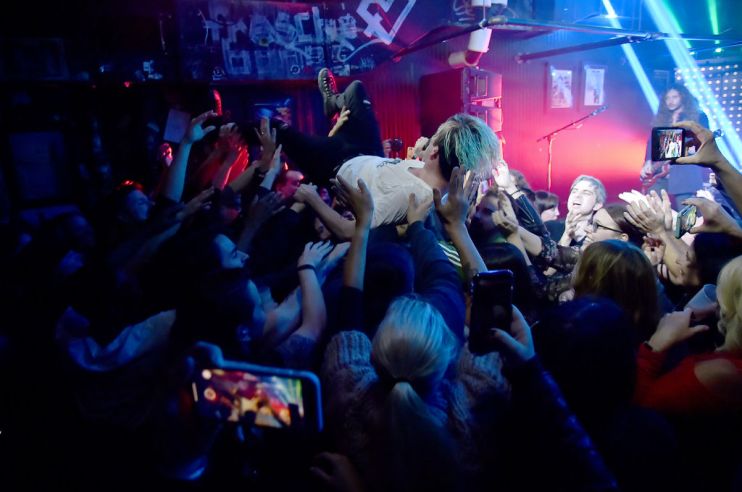
Over the course of the past year, the COVID-19 pandemic has caused unprecedented disruption and harm to the live music industry. Lockdown affected physical sales. The shutting of public venues, such as restaurants and bars, caused lost revenue from background music services and performance income. Undoubtedly, significant restrictions to our everyday lives have forced the music industry to veer even more heavily towards the web.
Music festivals, concert tours and award shows continue to be cancelled or postponed as restrictions in the UK show no signs of easing significantly any time soon. For many musicians, touring is their primary source of income. Event organisers and crew are suffering without livelihoods, and venues remain closed without income to pay rent. With justified urgency, the music industry is looking to the government for crucial support.
Read more: Gimme belters: Music rights firm Round Hill snaps up Rolling Stones and Beatles tracks
Led by industry body UK Music, the government has heard pleas for several measures that would help the live events sector to survive. Particularly vital for the upcoming summer festival season would be the introduction of a government-backed insurance scheme for events that face cancellation, or significant restriction, due to the pandemic.
More than 100 industry organisations and figures have signed a letter from the DCMS Committee to Rishi Sunak. The government is being asked for existing insurance schemes to be underwritten, similar to those available to the film and TV industries, in respect of live events. That plea was also addressed to Boris Johnson and the UK Culture Secretary Oliver Dowden.
As we approach the summer festival season, the need for insurance solutions becomes more time-sensitive with each passing day. Live events have to be scheduled for a set date and time so that organisers can adequately plan and sell tickets.
However, the real prospect of cancellation or restriction means that organisers risk losing deposits and facing a sea of refunds. An insurance scheme is clearly the security that the industry needs to start planning events with confidence. With potential cancellations in mind, there are also calls for an industry-targeted extension to the furlough scheme to support freelance event workers.
Other countries have already taken decisive action to help their live music industries. The German government recently created a €2.5 billion insurance fund that will cover the costs associated with cancellation of events in the second half of 2021.
Read more: Glastonbury is cancelled, so what about other cultural events?
It also introduced a ticket voucher scheme to allow event promoters to offer customers credit instead of refunds for cancelled events. The voucher scheme introduced a lifeline for ticket sellers that would have otherwise been facing insolvency due to the volume of refunds.
An event insurance scheme has also been introduced by the Austrian government to the tune of €300 million, which will support event organisers when an event is either cancelled or organised with significant restrictions due to the pandemic.
The recent cancellation of Glastonbury is an ominous sign of the effect a lack of insurance could have on the upcoming summer festival season; the UK government needs to take notice.
Without such a scheme, many live events will not take place at all this year because event organisers cannot justify planning ahead without the safety net of insurance. The long-term impact is that many festivals and live events will not return until 2022, while some may not survive at all.
There is also the concern that the UK will start losing talent. The result of the government’s failure to support European touring as part of the Brexit outcome and the lack of event insurance this summer is a gradual loss of faith among musicians, increasing the risk that talent will look for opportunities abroad that come with greater security.
We could soon see a steady exodus of integral industry workers that will further weaken the UK’s thriving live music market.
Unless a much-needed insurance scheme gains support from our government, the UK is on course to lose its global reputation as a mainstay choice for live music fans.