Why there’s nothing ethical about progressive taxation

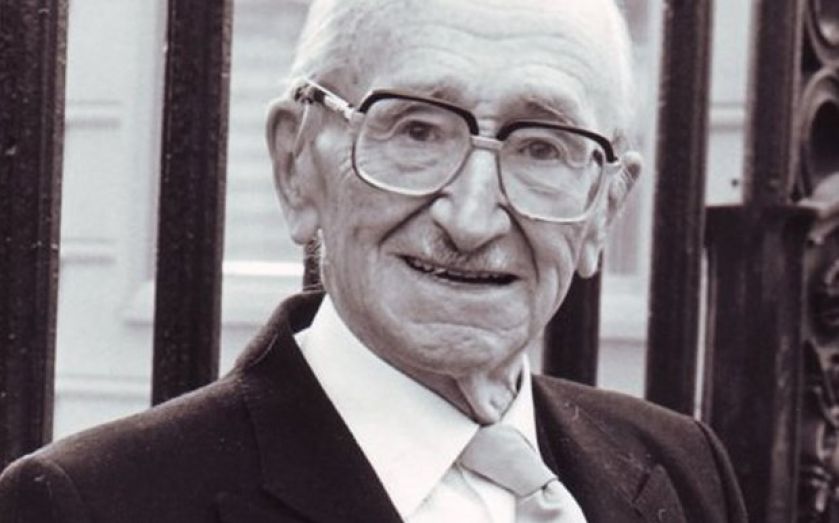
IN THE Constitution of Liberty, Friedrich Hayek states that his views on progressive taxation (where the tax rate rises as the income being taxed increases) are so extreme, he will offend almost everyone. I feel the same, writing a column that takes on not only Adam Smith, but George Osborne and the entire progressive tax lobby.
Smith wrote that “it is not very unreasonable that the rich should contribute to the public expense, not only in proportion to their revenue, but something more than in that proportion.” Osborne has phrased it differently: “We’re all in this together”; those “with the broadest shoulders should contribute the most.”
When the titan of free market economics and a Conservative chancellor fall in line behind progressive taxation, is there any point mustering opposition? I think there is.
Smith imposed a powerful practical constraint. He supported a proportional tax structure with an exception for the rich – in other words a very, but not completely flat tax structure. That is hardly a picture of the current tax system, where progressivity applies to those on low, average, and above average incomes.
Yet such a response won’t cut the mustard with the progressive tax lobby. They assert three core arguments, which must be dealt with in turn.
First, they say those who are able to pay more, should, because paying tax at a higher rate will still leave them with a lot more money than those further down the income scale. Sound fair? Not really. If two people hold the same job, but one works harder and earns more, where is the incentive and fairness in a higher marginal tax rate? Just because somebody can pay more doesn’t mean that they should. Surely everybody’s property rights should be treated equally? Of course, property rights could be treated equally and the rich could still pay more (in absolute terms) in a proportional system of income tax.
Second, they claim that a progressive system is more efficient – i.e. an unequal distribution of income is an inefficient one, because those on lower incomes will gain greater utility from the extra income than those on higher incomes will lose. Related is the argument that those on higher incomes will have a lower marginal propensity to consume, and therefore it would stimulate growth to shift money towards those with a higher propensity.
But neither argument justifies riding roughshod over property rights. Also, what about the rich person who wants to give away all his or her money? That rich person’s utility and propensity to spend could be very high.
Finally, there is the argument that a progressive system leads to a more harmonious society. Of course, extreme wealth and poverty could undermine harmony. But step back 25 years to the former USSR, drowning in a sea of vodka. The communist bloc was hardly the poster child for harmony.
Progressivity is wrapped up in the politically-determined tyranny of the majority, with supporters divided between those who sincerely think it is “the right thing to do” and extreme proponents of squeezing the rich until the pips squeak. But this is dangerous territory. Hayek also warned that it is questionable whether “a society which will recognise no reward other than what appears to its majority as an appropriate income … can in the long run preserve a system of private enterprise”. He was right.
So having upset almost everyone, let me try and redeem myself. Yes I believe the most efficient and ethical income tax system is proportional, with low marginal rates. But low marginal rates are the beginning, not the end. Earn all you can and give all you can as well.
Graeme Leach is director of economics & prosperity studies at the Legatum Institute.