To solve the plastic conundrum, we have to make it a problem for finance

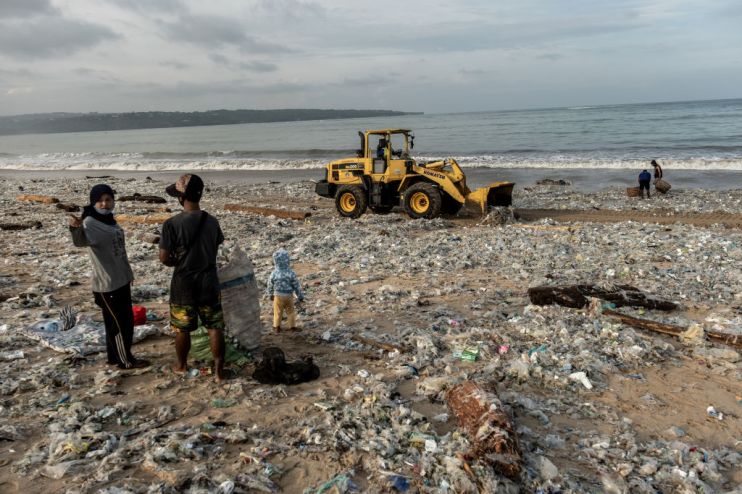
Plastic is the much-maligned detritus of modern living. It is the broken toy, the used carrier bag and the surgical face mask polluting our streets, streams and oceans, which countless recycling schemes and beach cleans have failed to tackle.
With the right backing, plastic can become a force for good as a valuable re-usable commodity. But we have to make this a financial problem, not one of goodwill.
This is about more than just cleaning up the ocean, it is about forcing emissions to plummet. If the production and use of plastics continues to increase as projected, the plastic industry will account for 20 per cent of global oil consumption by 2050, according to a report by the European Environment Agency in January this year. Over 2 million tonnes of plastic packaging is used in the UK every year, the vast majority of this is made from new, rather than recycled plastic.
Carbon offsetting is a band-aid approach which is simply not enough to heal the wound we are creating.
The principle of carbon credit was invented to motivate companies to decarbonise. But it has become a financial game between big players and, in many ways, carbon credit and carbon credit offsetting are more of an obstacle to change because it allows people to pay for their guilty pleasures, rather than solve the problems we face.
We should use the firepower of the financial markets in the US and the UK to create a different system: plastic credit which encourages businesses to recycle and reuse plastic. Once they begin trading plastic credit, based on recycled plastic content and plastic recycling activities, will create a tangible commercial value that will fall under the auspices of FCA and SEC regulations, further pumping financial motivation into recycling.
Right now, there is no financial motivation to recycle or to re-use plastic. The benefit is mainly reputational. When there is no connection between recycled plastic and the financial markets, it doesn’t matter how much you regulate or how many quotas you specify or what incentives you offer; it will not catch up with demand.
The challenge here is not plastic waste, it’s not even smart sorting. The big challenge is finding a way to meet the soaring demand for plastic that doesn’t increase environmental damage.
In the run-up to Cop26, the UK needs to show determined leadership on the matter. There are signs that it wants to. New UK initiatives include a wide-ranging Environment Bill giving new powers to create deposit return schemes for drinks containers and improving the quality and recycling value of collected waste, plans for a tax on plastic packaging, a pledge to ban the export of polluting plastic waste to non-OECD countries to a consultation on a waste prevention programme, with plastics and packaging a key element.
These are encouraging, but are insufficient to meet the scale of the challenge. Plastic is here to stay. It’s no longer a question of controlling demand, but of creating an equilibrium within this soaring demand where we are generating a larger percentage of that from recycled materials. Whoever thinks we are going to live in a world without plastic is dreaming. When you have rates of poverty, of any equation, alternatives to plastic are simply not feasible because they are often more expensive.
When plastic becomes valuable, companies will want to control the circularity of plastics to keep the margins to themselves and the infrastructure will follow.
It’s time for Britain and America to lead the world again – and deliver that world safely into the hands of generations to come.