Tony Matharu, Chairman of Central London Alliance CIC Comments on the Rumoured Introduction of a London Tourist Tax
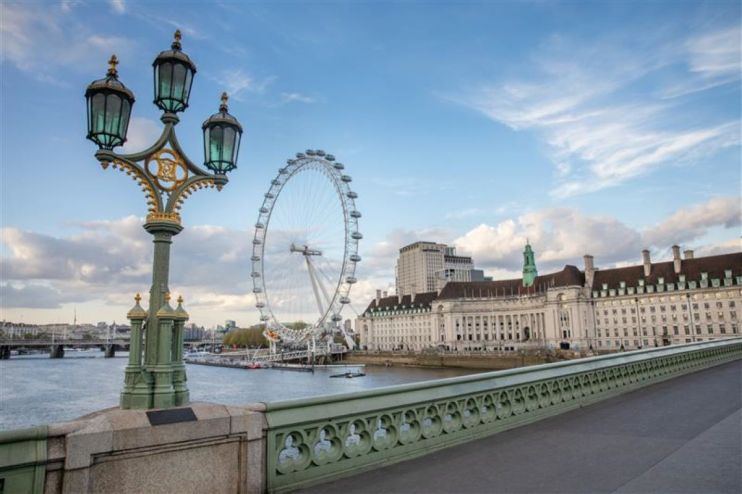
It is not the cheerful Christmas bells jingling and the tidings of comfort and joy London can look forward to having, but the inevitable rattle of shutters slamming shut for the last time from the closed hospitality businesses whose metaphorical backs have been broken by the burden of another unjustified, economically harmful tax on London’s hospitality sector.
It’s not the twinkling fairy lights shining on venues heaving with Christmas party goers that hopeful taxi drivers might see but it’s the flickering lights of pubs, bars, hotels, restaurants and venues as they switch off for the last time in the face of a Chancellor who is unwilling to accept the evidence that London’s hospitality sector has repeatedly been the saviour of the capital, and the catalyst for investment, productivity, vibrancy, dynamism and prosperity that London and the rest of the country benefits from. Those taxi drivers who optimistically plough through the streets avoiding pedicabs may endure longer waiting times on the deserted streets.
It’s not the clanging of saucepans on doorsteps in grateful recognition for those who kept their doors open: providing accommodation, food and comfort to care workers, doctors and emergency service workers throughout COVID-19 and Lockdown. It’s the tinkling of broken glass at another empty property no longer providing services to enable London’s heart to keep beating.
The rumoured proposal to introduce a Tourist Tax in London has gone beyond urgent scrutiny into the realms of ignorant self-harm combined with stubborn economic illiteracy. The idea that a Tourist Tax will ‘fix’ public finances is fundamentally flawed. London is one of the world’s great gateway cities, and its hospitality, culture, and visitor economy is essential not only to our capital’s identity and vibrancy, but to its financial wellbeing. Any policy that risks discouraging business and leisure visitors to the capital or investment into it must be avoided.
The UK is already facing significant challenges to its global competitiveness. A series of tax changes, – including the abolition of non-dom status, new rules bringing long-term residents’ global assets into the UK’s 40% Inheritance Tax net, rising Capital Gains Tax rates, and the possibility of further measures such as a ‘Mansion Tax’ – have made the UK a less attractive place to live, work and invest. Combine this with static economic growth (‘growth’ being the Government’s stated key economic priority) and an increasingly perilous business climate, confidence among entrepreneurs and investors has now evaporated, such that a quarter of the London Chamber of Commerce and Industry’s members surveyed, responded that they would either shut down or sell their businesses as a result of just one of the Government’s proposed measures.
Meanwhile, our international competitor cities in certain countries like UAE, Switzerland, Singapore and Italy are actively attracting high-net-worth individuals and international businesses with favourable tax regimes and streamlined residency programmes. We are already seeing high-profile departures – such as Lakshmi Mittal, the latest public figure and the UK’s richest man – relocating their tax residence to Switzerland and planning to spend significant time in Dubai – reflecting a wider trend that London cannot afford to ignore. Concerns about the rising cost of living, pressure on public services, and perceived declines in safety in parts of the capital only compound the issue. Indeed, the Government’s own Business Secretary, Peter Kyle, has acknowledged that the Government has misrepresented the number of entrepreneurs leaving the UK, himself describing the ‘droves’ leaving because of the impact of the higher tax burdens (whilst also apologising for the damaging and chaotic Government leaks and their briefings.) For Mittal the threat of the most hated of all taxes – Inheritance Tax – and the proposed removal of Business Property Tax Relief, combined with disregard for much needed investment in the capital, were the final straws.
Within this broader context, adding a new tourist levy risks sending a damaging signal at precisely the wrong moment. UK Hospitality has already highlighted that a 5% overnight levy, applied on top of our already high 20% VAT rate, would push the effective tax burden on accommodation to around 27%; far higher than competitor destinations. Their analysis shows this could cost British holidaymakers an additional £518 million annually, making the burden on visitors significantly more onerous. Such a move inevitably damages London’s competitiveness and the UK’s soft power, which used to enable us to ‘punch above our weight’ in the world.
In Europe, where tourist taxes are commonplace, they sit alongside significantly lower VAT rates – Germany is at 7%, Ireland at 9% – ensuring competitiveness is maintained. London would not have that cushion. Making our already taxed sector even less price-competitive will deter both domestic and international visitors and inward trade and investment.
We need to ensure that London remains attractive, competitive, and accessible, especially when we are already contending with high operating costs, and global competition from cities that are actively reducing barriers to travel and encouraging both investment and relocation.
According to UK Hospitality, in the last budget, £3.4 billion was added to the hospitality sector tax bill, meaning that 75% of the sector’s profits go back to the Exchequer in some form of tax. Hospitality is already the most highly taxed sector of the economy and disproportionately taxed out. We must not repeat the mistake of piling tax burdens on the very sectors that deliver so much social and economic value, thereby damaging the very fabric that has made our capital city so unique.
The pressure on central London’s hospitality businesses is intense and is disproportionately impacting property related businesses, particularly hotels, restaurants and venues. Rising business rates, spiraling energy costs (the highest in the world), higher employers’ national insurance and other taxes on jobs and job creation, coupled with the proposed removal of Business Property Tax Relief are squeezing both long-established, family-run operations and investors out of the capital and out of business.
The city’s business leaders have repeatedly called for fairer, smarter policies that protect London’s economic core instead of punishing them for having buildings and workers inside them, like hotels, care homes, restaurants and retailers. London has a greater proportion of its balance sheet based in property and a higher proportion of employees in them. These are not abstract concerns: the hospitality sector underpins jobs, community engagement, and long-term investment in London, supporting all other businesses.
While additional investment in local services and infrastructure is always welcome (and should come from the enormous business rates already levied on London’s businesses), any measure that risks discouraging visitors, particularly at a time when the sector is still recovering, must be avoided.
We need a broader, holistic strategy that encourages business and leisure visitors, audiences at our theatres and cultural, sporting and arts offerings. Hospitality should be seen not merely as a service industry but as a core driver of London’s identity, community, and economy. We cannot afford policies that weaken the very sectors and communities that make London thrive. With thoughtful design and genuine partnership with the hospitality industry, we can protect London’s global standing. But poorly considered, knee jerk measures that risk undermining our recovery, our competitiveness, and our long-term prospects must be avoided.
The hospitality sector cannot absorb yet another undeserved tax imposition- this time a so called ‘Tourist Tax’ which will make its businesses uncompetitive – disproportionately impacting a sector already buckling under the pressures of energy, property and employment taxes. We must not undermine the very vitality of our hospitality sector, which is the beating heart of London’s and the UK’s economy and encourages global visitors, investors, talent and entrepreneurs.
The Chancellor’s memory is short. She appears not to remember her promise at last year’s CBI Conference, saying she ‘is not coming back with more borrowing or more taxes’ in her ‘wiping the slate clean’ first budget. Her amnesia is further evidenced by her lack of recollection that it was the hospitality sector that led the country out of the last recession, supported our emergency and care workers through the pandemic and is the third largest employer, giving opportunities to the broadest range of talent and ability as well as generating and sharing income from them which supports public services across the country.
It is all too easy to attempt to satisfy pollsters and focus groups, to fly kites to see where the wind takes them, but such policy suggestions and rumours are desperately unhelpful for economic growth.
A truly pro-growth agenda expands markets, cuts costs and greases the wheels of industry by enhancing mobility. A Tourist Tax is the very opposite of what London and the UK needs.