Top economists shun Burnham over wealth taxes

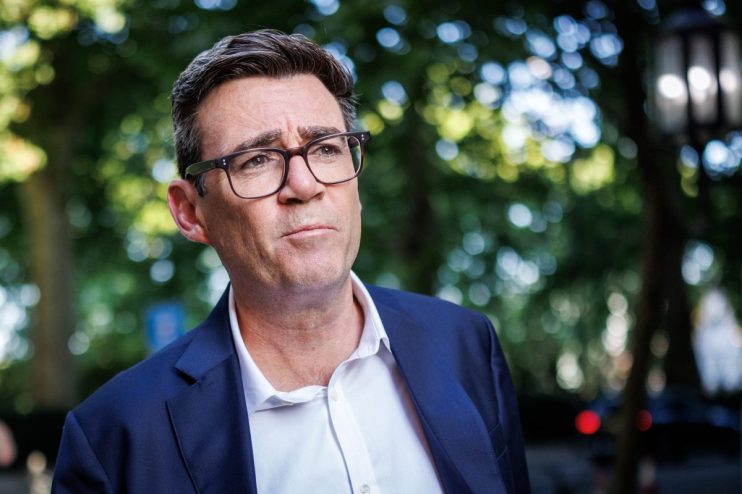
Economic heavyweights who were reported to be advising Andy Burnham have opted not to join his government due to disagreements over potential wealth taxes, it has been reported.
Lord Jim O’Neill, the former Goldman Sachs executive, is in ongoing talks with Burnham over a potential role, Morning Wire reported last week.
Fresh reports have suggested that O’Neill has not joined Burnham due to his dislike of a potential wealth tax and the prime minister’s failure to rule out the policy.
He is also said to want to retain oversight of his business interests and shareholdings in financial groups.
Before the Makerfield by-election, it was widely reported that O’Neill, former Bank of England chief economist Andy Haldane and ex-Office for Budget Responsibility chair Richard Hughes were advising the Prime Minister.
Morning Wire revealed last week that none had taken roles in government a month into the new premiership and with an Autumn Budget data already having been announced.
It has left Burnham lacking the economic expertise his allies hailed before he became an MP. Reports of the three advisers’ proximity to Burnham had been credited with soothing investors’ nerves in advance of his premiership.
It has been reported that Burnham has kept Rachel Reeves’ adviser Neil Amin-Smith to help him with economic policy.
Burnham’s problems ahead
Throughout Sir Keir Starmer’s government, several Labour backbenchers urged the Prime Minister to increase taxes on the rich and wealthy.
Many MPs, who have gone on to pledge their allegiance to Burnham, called for a two per cent tax on assets over £10m, which they argued would raise “tens of billions” of pounds.
Signatories to a letter included Barry Gardiner and rumoured London mayor hopeful Dawn Butler, who both publicly backed Burnham to become Prime Minister.
More moderate Labour figures, including those who were in the Labour Growth Group caucus and backed Wes Streeting to launch a leadership bid, advocated for a “wealth tax that works”.
This would feature equalising capital gains taxes with income taxes while allowing for some allowances that help incentivise investment.
In an interview with Morning Wire, Haldane said such a tax hike should not be used as a “cash cow”.
Tax debates ahead of the Budget and a missing economic advisory team expose underlying party divisions.
One Labour strategist expressed surprise that Burnham had not appointed any economic advisers while another suggested Louise Haigh was running policy “with ChatGPT”.