Skip to content
Sunday 9 August 2026London --:--Frankfurt --:--Zurich --:--
NewslettersSearchEN · DE
MorningWire

European business, markets and politics

FTSE 100
10,901.09
+0.31%
DAX
26,319.45
+0.69%
CAC 40
8,714.93
+0.17%
STOXX 50
6,523.86
+0.33%
  • Europe
  • Markets
  • Business
  • Economy
  • Technology
  • Politics
  • Opinion
More
GermanyFranceBankingAIEnergyFintechPropertyCapital Markets
  • Germany
  • France
  • Europe
  • Markets
  • Business
  • Economy
  • Technology
  • Politics
  • Opinion
  • DE
Wednesday 18 September 2024 11:48 am

Tupperware: How the food storage giant collapsed into bankruptcy

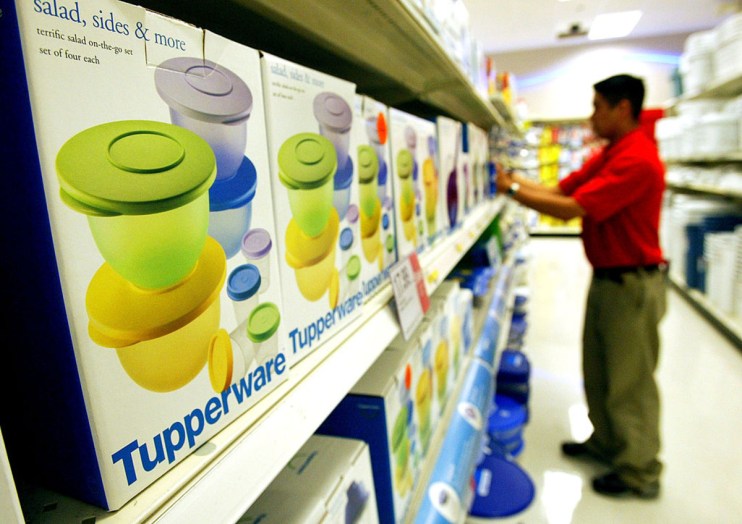
By: Bethany Wales

Add as a preferred source on Google
Tupperware has filed for bankruptcy after years of struggling with declining sales.

The plastic food container giant Tupperware has filed for bankruptcy after struggling with declining sales and intensifying competition for several years.

The US-based plastic food container giant, which has its UK headquarters in Milton Keynes, has entered Chapter 11 bankruptcy proceedings following a prolonged drop in demand, a trend that has persisted for more than a decade.

According to the bankruptcy filings, the company has estimated assets between $500m and $1bn, plus liabilities ranging from $1bn to $10bn.

The filings also reveal that the company has between 50,001 and 100,000 creditors.

Tupperware previously sounded the alarm in 2023, warning that without fresh investment, its survival was at risk. But despite efforts to secure new funding, the bid to save the business has fallen short.

This marks the end of a lengthy effort by the company to revitalise its brand amid shifting consumer preferences and a highly competitive marketplace.

Now, bosses say the company is on the hunt for new owners to “protect its iconic brand and further advance Tupperware’s transformation into a digital-first, technology-led company”.

Susannah Streeter, the head of money and markets at Hargreaves Lansdown, told The Guardian: “There is still a chance a buyer for the business can be found, but with plastic seen as far from fantastic, among eco-aware consumers, revitalising the brand will be an uphill struggle.’’

Tupperware said it would seek court approval to continue operations during its bankruptcy proceedings.

What went wrong for Tupperware?

Tupperware has become so iconic in food storage that its name is often used generically to refer to any plastic container, regardless of the brand.

The brand first burst onto the scene 77 years ago, when inventor Earl Tupper teamed up with saleswoman Brownie Wise to promote an innovative new way of storing food for the housewives of America.

Read more

Tesco ‘in talks’ to exit eastern Europe

Tesco storefront with shoppers entering and exiting, highlighting the brands popularity and bustling retail environment

The product was highly innovative for the time, using new plastics to ensure freshness like never before.

But what truly set the brand apart was its innovative approach to sales – the Tupperware Party.

Instead of traditional store sales, Tupperware had enthusiastic salespeople, known as “Tupperware Ladies,” host parties in their homes.
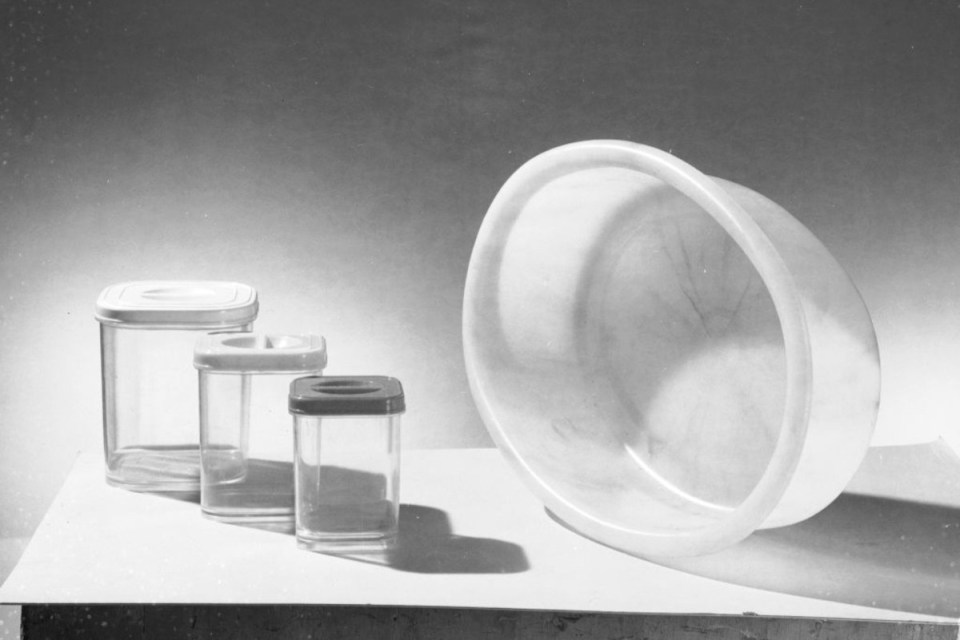
Tupperware burst onto the scene in 1946, revolutionising food storage.

The key to this sales model was that it wasn’t just about selling products—it was about creating an engaging experience.

Guests could handle the products, see demonstrations on how they kept food fresh, and enjoy the social aspect of the event.

This direct-selling approach helped Tupperware build a loyal customer base and make the brand a household name. It was later copied by several direct-selling brands, such as makeup company Avon. 

However, as times changed over the following decades, the brand did not.

As online shopping gained popularity, the appeal of traditional Tupperware parties diminished, with consumers favouring the convenience of browsing and purchasing products online over attending home demonstrations.

As a result, the UK arm of the company axed the party model back in 2003.

Additionally, Tupperware faced increased competition from other brands offering similar products at lower prices. This influx of alternatives impacted the brand’s market share and eroded its customer base.

What’s more, as younger consumers have increasingly embraced more environmentally-friendly products such as beeswax paper to keep food fresh, the brand has failed to venture away from using plastic.

Read more

From crown jewel to €180m courtroom battle: The investor revolt targeting Atos

Atos logo prominently displayed on a modern office building, highlighting its corporate presence and technological expertise.

Share this article

  • Facebook
  • X
  • LinkedIn
  • WhatsApp
  • Email

Similarly tagged content:

Sections

  • News

Categories

  • Business

People & Organisations

  • Bankruptcy
  • plastic
  • Retail
  • shopping
  • Tupperware
  • US business

Trending Articles

  • Thames Water faces fresh threat to survival after pensions regulation breach

  • PwC’s Embankment HQ to get major makeover ahead of Canary Wharf move

  • Family feud: London estate agent Winkworth sues chair over plot with wife to oust son from board

  • As it happened: Stocks rise despite new tensions in Strait of Hormuz; Oil price climbs

  • A tribute to wine legend Matthew Jukes by his friend Libby Brodie

More from Morning Wire

  • Tesco ‘in talks’ to exit eastern Europe

    Retail
    Tesco storefront with shoppers entering and exiting, highlighting the brands popularity and bustling retail environment
  • From crown jewel to €180m courtroom battle: The investor revolt targeting Atos

    Markets
    Atos logo prominently displayed on a modern office building, highlighting its corporate presence and technological expertise.
  • Lehman Brothers Treasury Considers Sale and Final Wind-Down

    Business Wire
  • UK fintech Pockit recruits founder of Burger King Kazakhstan

    Fintech
    Burger King restaurant exterior with logo and drive-thru lane, reflecting fast food industry presence.
  • Crown Prosecution Service caught using AI hallucination evidence

    AI
    Chicago Public Schools building exterior with students entering, reflecting urban education theme in a news article context.
  • Unilever turns to ‘avocado mayonnaise’ as food weighs on profit ahead of spin-off

    Retail
    Hellmanns Real Mayonnaise jar in a refrigerator with fresh vegetables like tomatoes, lettuce, and onions
  • PwC’s Embankment HQ to get major makeover ahead of Canary Wharf move

    Property
    Architectural rendering of a modern building with a curved roof, balconies, and a landscaped terrace with city skyline views.
  • Exclusive: Top FTSE executive recruiter goes bust after AI platform launch

    Business
    Consultancy sector and AI
MorningWire

Independent European business, markets and political news for decision-makers.

Morning Briefing

Europe

  • Germany
  • France
  • Europe
  • UK & Ireland

Business

  • Markets
  • Banking
  • Technology
  • Energy
  • Property
  • Fintech

Editorial

  • Opinion
  • Editorial Policy
  • Corrections
  • Contact

Company

  • About Morning Wire
  • Privacy Policy
  • Terms of Use
  • Cookie Policy
© 2026 Morning Wire Ltd · Published by Morning Wire Media, Bahnhofstrasse 65, 8001 Zürich, Switzerland
Privacy · Terms · Cookies · Facebook