UK biotech can match the US – if we end the investment valley of death

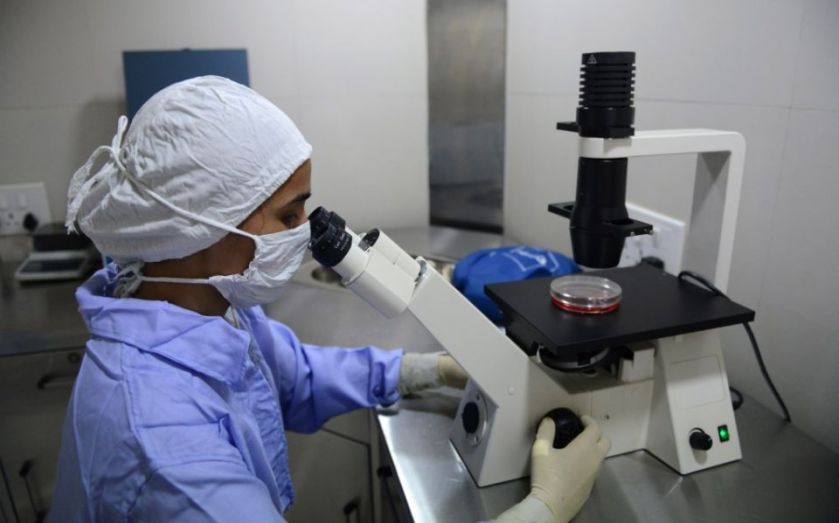
The Personalised Medicine World Conference, where industry leaders in the life sciences and biotech sectors present their latest research to peers, patients and investors, took place at Oxford University earlier this month. Personalised medicine has captivated business leaders and investors globally, and the conference’s migration from its original home in Silicon Valley suggests that the UK is finally becoming a recognised player in the industry.
Perhaps this is true from an academic perspective, but what about the money? Valuations of US biotech companies have soared (and are even potentially overstretched), but UK companies have yet to receive significant investor attention. When Boris Johnson recently accompanied 19 UK-based biotech firms to the US, almost all were seeking international funding. If UK companies are to match the performance of their US peers, then we need to raise our game in terms of funding and investment.
London is emerging as a credible life sciences and biotech hub, with the industry’s vibrancy rivalling that of the fintech sector. Since the government’s Strategy for UK Life Sciences was launched in 2011, the sector has attracted over £3.5bn of investment, and this is expected to lead to the creation of over 11,000 jobs. The UK medical biotech industry generates over £4bn in revenues annually and employs some 27,000 people. Around 1,000 companies are active in the UK in this sector, one third of which are working to develop new drugs which might one day provide the cure for chronic illnesses.
Biotech is showing particularly strong growth in areas such as therapeutic proteins, vaccines and regenerative medicine. Globally, the regenerative medicine market, including the stem cells sector in which my company operates, is set for rapid expansion. The regenerative medicine sector is forecast to grow by over 20 per cent annually for the next five years, to become a $67bn market by 2020.
Given this backdrop, investor perception is changing, but it’s only partly down to growth potential. Other factors are also important: convincing evidence from clinical trials; a recognition that an increasing number of illnesses respond to stem cells; an acknowledgement that each of us may have a far higher chance of needing to use stem cells to treat a serious illness in our lifetime; and better regulation and governance.
However, despite backing from high-profile fund managers such as Neil Woodford, rapid growth, and strong drug and therapy pipelines, UK biotech firms are still failing to attract the same level of investment as their US counterparts: US biotech companies raised almost $4bn of funding and completed 43 IPOs in 2014, compared to $833m and three IPOs in the UK according to the latest figures.
The critical funding phase for biotech companies, the so-called “Valley of Death”, is post seed-funding (which is typically provided by University Technology Transfer Offices) but before venture capital houses start taking an interest. The lack of post seed-funding early stage investment has been identified as the critical equity gap for biotech companies.
A number of government-led initiatives have helped. These include Innovate UK, the new incarnation of the Technology Strategy Board, and other non-dilutive funding options, ranging from grants to funding from research councils and some charities.
Other initiatives that could be considered include increasing the availability of loan guarantees for biotech companies, and perhaps introducing preferential tax treatment for profits from such investments if they are held for a reasonable period. Biotech and life sciences firms should also make more use of alternative finance routes, such as crowdfunding. Earlier this month, a Welsh biotech company founded by a Nobel laureate claimed a UK record for crowdfunding in the life sciences sector.
At Precious Cells Group, we have benefited from improved investor perception and have succeeded in raising several million pounds over the past three years, accelerating the commercialisation of our platform technologies, and enhancing our domestic growth and international expansion.
An improved and broader range of funding options will give the UK biotech and life sciences industries the support they need to make the most of their world-leading innovation and research.