UK to narrowly avoid recession but cost of living crisis will leave families £4,000 worse off
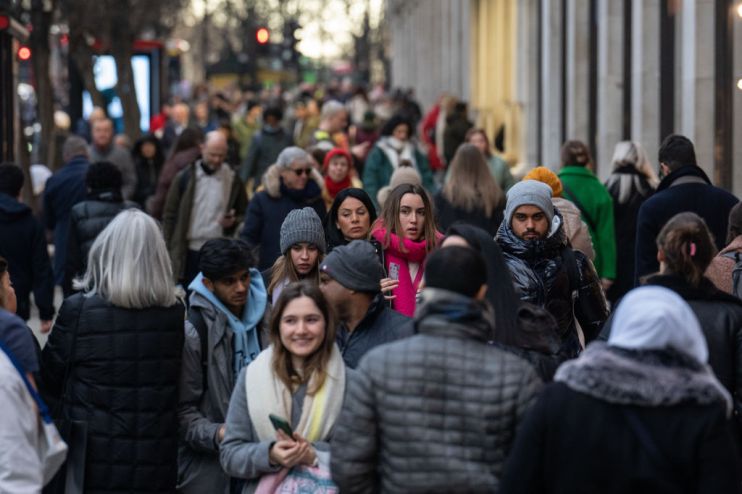
The UK is poised to narrowly avoid a recession but the cost of living crisis will still leave average Brits £4,000 worse off this year, fresh forecasts out today reveal.
Britain’s economy is set to squeeze out 0.2 per cent of GDP growth in 2023, meaning it will just about swerve a technical reversal, two consecutive quarters of contraction, according to the National Institute of Economic and Social Research (NIESR).
The projections run counter to several others published by the UK and world’s top economic institutions.
Just last week, the Bank of England said Britain is on course to suffer a 15 month long recession that will leave the economy around one per cent smaller.
Its forecasts were revised up from a previous estimate of an 18 month slump knocking nearly three per cent off GDP, published in November.
Earlier this month the International Monetary Fund (IMF) said the UK would be the only rich economy to shrink this year, slimming down by 0.6 per cent.
The NIESR’s brighter projections were driven by the organisation expecting household spending to hold up reasonably well, leaving unemployment in the UK lower than what the IMF and Bank think.
New figures out from the Office for National Statistics this Friday are expected to show the economy narrowly avoided a recession at the end of last year after December GDP contracted 0.3 per cent, likely making quarterly growth flat.
However, the organisation, Britain’s oldest economic think tank, said this year will “certainly feel like a recession” for the estimated seven million households that will be unable to pay their food and energy bills this year.
Although the country is expected by the NIESR to just about dodge a recession, its long run economic performance will be very sluggish, with growth not nudging much higher than one per cent.
A series of shocks, including Russia’s invasion of Ukraine jolting international energy markets, the pandemic, Brexit and the global financial crisis has resulted in a “permanent reduction in our standard of living,” Jagjit Chadha, the NIESR’s director, said.
The rate of price increases is expected to fall rapidly this year, however, the NIESR cautioned it could remain elevated for some time if businesses pass on scorching wage increases.
The Bank of England has hiked interest rates 10 times in a row to a 15 year high of four per cent to tame price pressures, including a 50 basis point increase last week, but that has amplified the cost of living crunch’s squeeze on families and businesses.
The NIESR attributed the UK’s economic stagnation since the financial crisis to a reduction in private and public sector investment holding back productivity growth.
Raising productivity is crucial to generating sustained and evenly spread real wage growth. Low productivity improvement for more than a decade has left the UK heavily exposed to the series of global shocks that have ricocheted through the worldwide economy.
“A lack of public investment has deepened, and will continue to deepen, the low growth and low productivity traps countrywide as well as exacerbate[d] regional inequalities,” the NIESR said.
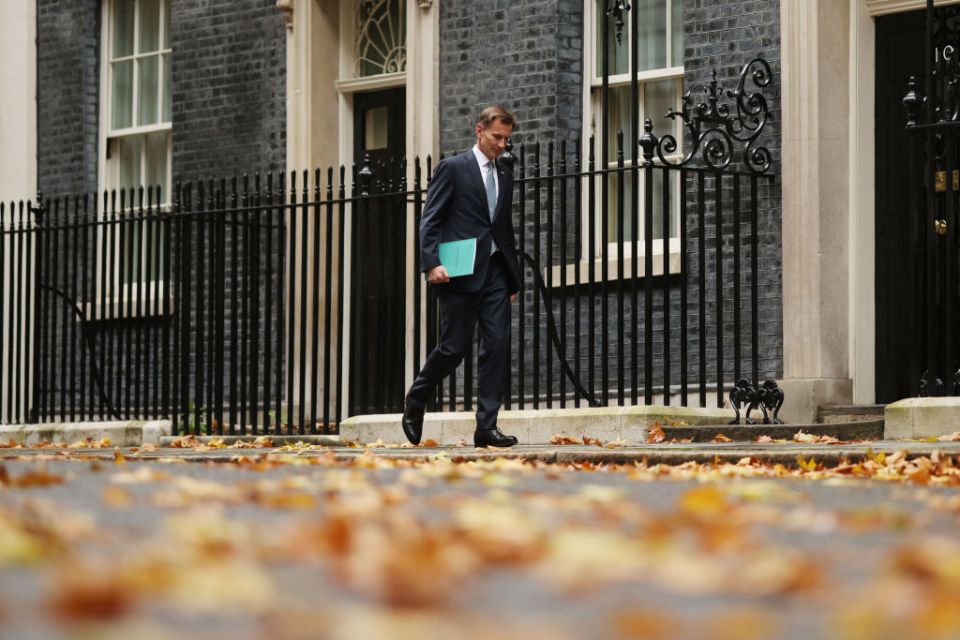
The think tank said lower than expected spending on the energy price cap and the more than £50bn of tax hikes and spending cuts on 17 November autumn statement has given chancellor Jeremy Hunt an opportunity to hand cash back to households and businesses at his 15 March budget.
Failing to do so would raise the risk of the country tipping into a recession, its experts said.
Hunt cut public sector investment over the long run back in November and set the tax burden on course to reach its highest level since just after the Second World War.
The NIESR recommended implementing a variable price cap – in which household energy bills rise as they consume more gas and electricity – as a more efficient and longer term solution to protecting the poorest from future spikes in energy prices.
It also backed an opt-in social tariff in which poorer Brits who think they would be eligible for cash to help with basic bills could reach out to the government.
A treasury spokesperson said: “The UK is not immune to global challenges of high inflation and slow growth, with the IMF predicting that 90 per cent of advanced economies will see a decline in growth in 2023.”
“The government has a plan to halve inflation this year, reduce debt and grow the economy – which is the best way to improve opportunities and living standards for everyone.”