The unintended consequences of plain cigarette packaging

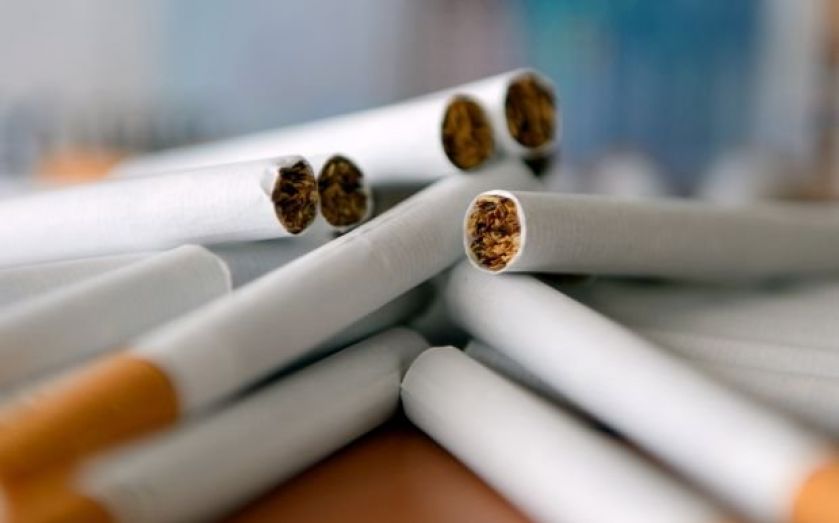
If a single policy could reduce both the number of people who start smoking and increase the ability for smokers to quit, we would have to give it serious consideration. We are always looking for solutions to the health problems caused by smoking. To that end, at first glance, plain packaging for cigarettes seems like a small change that can only bring positive effects, right?
Unfortunately, first glances can often be deceiving, and many supposed policy solutions to this issue have brought about very negative unintended consequences in the past. In New York State, for example, steep hikes in cigarette prices promised to decrease the number of smokers. Instead, a massive black market formed.
According to a Tax Foundation study, 56.9 per cent of cigarette boxes picked up in the streets of New York either had an out-of-state tax stamp or none at all. In this case as well, the prospective benefits of plain packaging trumpeted by its proponents seem promising only as long as we ignore the unintended consequences.
In Australia, plain packaging as well as increased taxes have contributed to the recent uptick in underground cigarette market. According to an industry report, 13.9 per cent of the Australian market is illicit. The presence of counterfeit cigarettes in the market raises concerns about a product that is not vetted by any health authority. Additionally, plain packaging is thought to encourage switching from higher priced cigarettes to lower priced ones since the brand’s signal of quality is eroded.
The health effects of smoking are now obvious to most consumers, and smoking rates are falling in the developed world. In the UK, since 1974, smoking rates have fallen from 45 percent of the population to 20 percent while smoking rates for children 15 and older are down from 25 percent to eight per cent since 1983.
While this leaves room for improvement, additional improvement faces exponentially increasing costs, and at some point the measures against smoking start resembling prohibitions, with many of the unintended effects that go along with that approach.
What we should be doing is thinking about measures that change overall demand rather than those that attempt to nullify trademarks or set off trade wars.
When we look at the problem through a demand-oriented lens, we start to see the success that public awareness campaigns around smoking have had. We also appreciate that awareness of health issues on a variety of margins has increased in the last several decades. These realities have had the effect of isolating the habit of smoking, to some extent.
We should be very careful about taking increasingly interventionist actions, such as imposing plain packaging requirements, because many precedents are being set. The legal questions of the rights to label products with trademarks will be argued in court, but the expansion of plain packaging to other politically unpopular industries will play out in the political process. Already, candy manufacturers like Mars have begun to fight in anticipation of plain packaging regulations targeting their products. This will have unintended consequences of its own.
The case for plain packaging has all the hallmarks of well-intended policy, but government-sponsored restriction of legitimate use of brands and trademarks will bring unfavourable effects that must be considered as well. As we consider our approach to this issue, we must be weary of heavy-handed and short-sighted efforts that, in the end, could do more harm than good.