Unless you’ve been in prison, it’s hard to understand how badly run they are

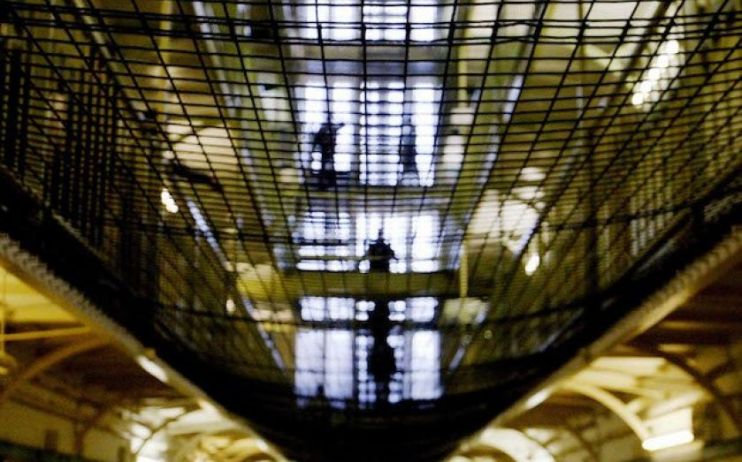
The prison system is over-crowded, dangerous, drug-riddled places that fair to keep the public safe and offer terrible value to the taxpayer, says former inmate David Shipley
Our prisons are full again, with 88,200 behind bars, and only around 800 spaces remaining. The government has announced a programme of earlier releases, faster access to bail hearings and more action deporting foreign national offenders. None of this will change the fact that our prisons are desperately overcrowded. Even the government’s 10,000 new prison places by the end of 2025 will just be consumed by the rising prison population, forecast to hit 99,500 by November next year.
Many criticisms are often voiced about our prison system; it’s dangerous, drug-riddled, violent (with inmates and staff often assaulted) and filthy. All of this is true. I should know; I’ve been there. Our prisons are grim, miserable, depressing places.
What isn’t discussed as much is how our prisons fail on their own terms and what bad value for money they are. A functional prison system should protect the public both by jailing those who pose a risk, but also by ensuring that as many inmates as possible turn away from crime, find honest work after release and contribute positively to society. The research is clear; people stop offending when they have “strong ties to family and community”, work “that fulfils them”, “recognition of their worth”, “feelings of hope” and “sense of meaning and purpose”. An effective system would deliver this.
Instead our prisons provide often poor-quality education, and release people without jobs, and often without homes to go to. Only 26 per cent of people released from prison are in work six months later. Three months after release almost 30 per cent aren’t in stable accommodation. What happens within prisons causes these terrible outcomes. On average only 12,500 prisoners are working while in prison. The result is high reoffending which was estimated in 2019 to cost the UK £18bn per year. This represents almost a third of the total estimated cost of crime per year.
These appalling outcomes don’t even come cheaply; each prisoner costs almost £50,000 per year.
Unless you’ve been in prison it’s hard to imagine how chaotic, badly-run and incompetent the system is. Relying primarily on physical forms and documents, which often require multiple signatures to approve the simplest processes, our worst prisons often can’t even keep track of which inmates are supposed to be where. During my time as a prisoner at Wandsworth they would regularly sound the alarm because the ‘wrong’ number of men were on a wing. Often this just meant someone was at work, a medical appointment or on another wing, but the paperwork hadn’t been done correctly.
Meanwhile understaffing often means that prisoners are not able to attend education or work regularly as officers are called away to deal with crises in other parts of the prison. In a chaotic environment like this drugs, alcohol and the violence which follow them are widespread, making it even harder for prisoners to achieve positive change in their lives.
It doesn’t have to be like this. The UK’s Open Prisons are low-security sites, without walls or fences keeping prisoners inside. They’re far cheaper to run, costing around £15,000 less per prisoner per year. They are also able to offer ‘release on temporary licence’ (ROTL) a scheme under which prisoners can leave the prison each day to work or attend full-time education at colleges or universities. Prisoners who work during their sentence are able to save money, or send it home to their families. They pay taxes, as any UK employee does, and also pay a further contribution towards to Victims Surcharge fund, compensating the victims of crime. During my time at HMP Hollesley Bay, an Open Prison on the Suffolk coast, they achieved 40% of prisoners going out to work.
Open prisons also allow far more, and more high-quality contact between prisoners and families, ensuring that those “strong ties” are sustained. Currently about 5% of prisoners are held in these conditions, but in reality many more could be, as they pose a low risk to the public and are unlikely to abscond.
It’s not even difficult to expand open prisons; additional housing units are a ‘permitted development’, bypassing the usual planning process, and local opposition to new prison places. If the government is serious about building a prison system which works, saving money, and ensuring prisoners are released into productive work, then they must begin a serious expansion of the open estate.
David Shipley is a writer, speaker and former prisoner.