US investors control over half of Premier League clubs
The new season sees US investors as the largest shareholders across more than half of England's top‑flight clubs.
The Premier League kicks off its 35th season this evening, and a striking shift in club ownership is on display: investors from the United States now hold majority or controlling stakes in 11 of the 20 clubs competing at the top of English football.
This concentration of American capital matters because it links the league’s commercial engine to the financial health of US‑based private‑equity funds, billionaire owners and even sovereign wealth entities. The influx of deep‑pocketed backers can boost spending power, expand global branding opportunities and influence transfer strategies, but it also raises questions about competitive balance and regulatory oversight.
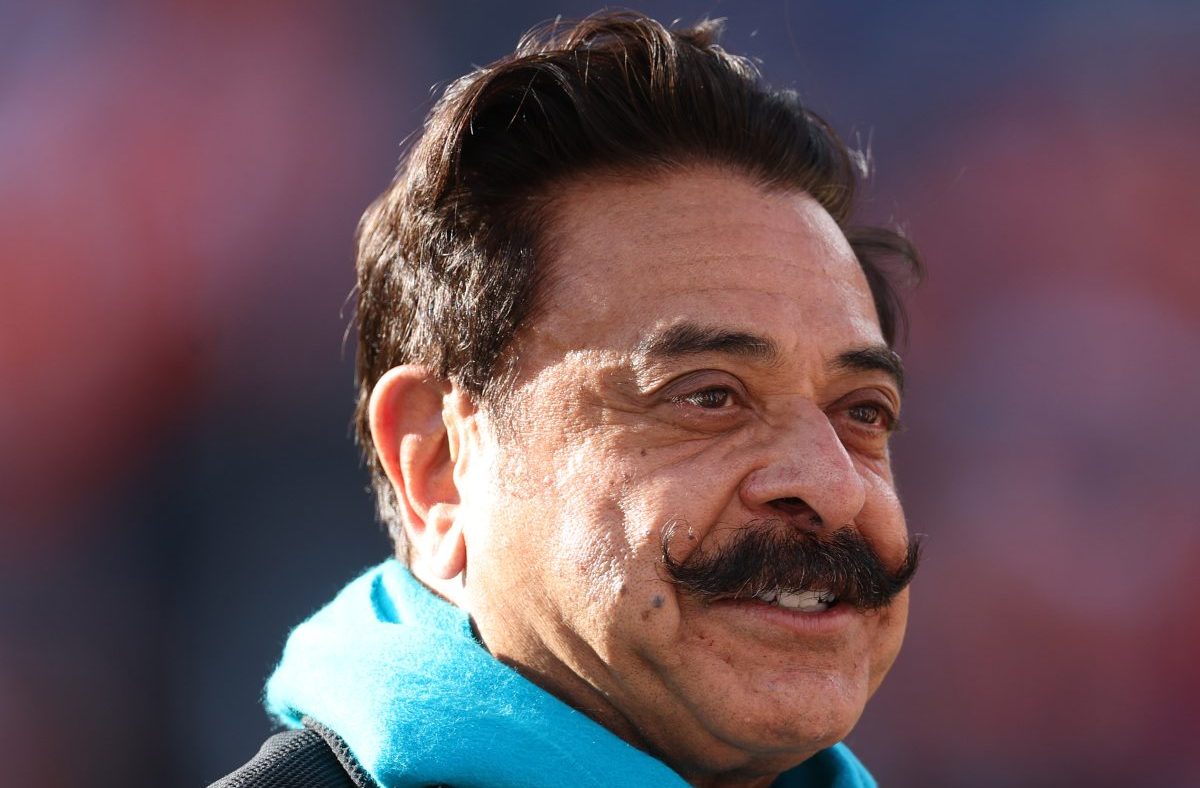
Among the US‑linked clubs, Arsenal is owned by Kroenke Sports & Entertainment, a conglomerate that also controls the Los Angeles Rams and Denver Nuggets. Fulham sits in the hands of Shahid Khan, the owner of the Jacksonville Jaguars. Aston Villa is backed by V Sports, which counts on major US investment, while Bournemouth is owned by Black Knight Football Club, a US‑based entity.
Everton play under the US flag after being bought by the Friedkin Group.
Chelsea belongs to Clearlake Capital, with American investors Todd Boehly and former LA Lakers owner Mark Walter holding significant stakes. Crystal Palace remains under the influence of Woody Johnson and a consortium of US investors led by Josh Harris and David Blitzer. Leeds United is owned by 49ers Enterprises, the investment arm of the San Francisco 49ers, and Ipswich Town is controlled by Gamechanger 20, another US‑based group.
British and sovereign interests remain strong
British owners still account for roughly a fifth of the league. Brighton & Hove Albion is run by race‑horse owner Tony Bloom, and Brentford is backed by Matthew Benham. Tottenham Hotspur is majority‑owned by the ENIC Group, controlled by the Joe Lewis family. Manchester City continues under the umbrella of City Football Group, led by Sheikh Mansour bin Zayed Al Nahyan of the Abu Dhabi United Group, while Newcastle United is backed by Saudi Arabia’s Public Investment Fund.
What lies ahead for the league
As American capital deepens its foothold, clubs may pursue more aggressive commercial strategies, including expanded overseas tours, enhanced digital monetisation and higher wage bills. The Premier League’s governance bodies could face pressure to tighten ownership rules or introduce new financial fair‑play measures to preserve competitive integrity. Fans and pundits alike will be watching whether this ownership mix translates into on‑field success or merely reshapes the business of football.
With three new clubs, Hull City, Coventry City and Ipswich Town, replacing Burnley, West Ham United and Wolverhampton Wanderers, the season promises fresh storylines both on and off the pitch.


