Vance says ‘broken’ Britain must rebuild economy, not just change PM

US vice president JD Vance has branded Britain’s politics “broken”, saying the country’s revolving door of prime ministers reflects a deeper economic failure that has hollowed out industry, weakened productivity and left voters demanding structural reform.
In an interview with The Sunday Times, Vance said Britain’s recent political instability was symptomatic of long-term economic decline rather than simply a succession of failed leaders.
“What I see is six prime ministers in the last few years,” he said. “What that says to me is that something is very broken about British politics and that people are really crying out for significant structural change.”
He added that Britain had “been failed by its leadership for a long time”, and said he hoped whoever succeeds Keir Starmer would “get Britain back on track”.
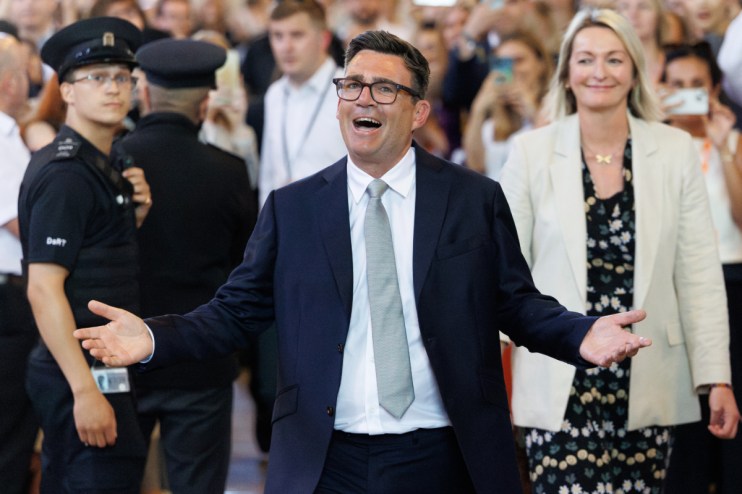
The comments come after Starmer announced he would step down after less than two years in office, paving the way for Andy Burnham to become Britain’s seventh prime minister in just over a decade after emerging as Labour’s sole leadership candidate.
But Vance’s harsher criticism was reserved for Britain’s economic model: “If you have an economy built around consumption, you ought not be surprised when your workers’ skills atrophy and your manufacturing base disappears,” he said, arguing that industrial capacity and productive investment had been sacrificed in favour of short-term consumer growth.
The remarks echo a growing school of economic thinking inside the Trump administration that places domestic manufacturing, industrial policy and strategic supply chains above decades of services-led globalisation.
Britain continues to wrestle with sluggish productivity growth that has persisted since the financial crisis.
While Brexit is frequently blamed for the UK’s weaker performance, many economists argue the slowdown predates the 2016 referendum, pointing instead to the long shadow of the 2008 financial crash, pandemic disruption, energy price shocks and years of weak business investment.
Indeed, official data showed UK GDP slipped by 0.1 per cent in April after the energy price shock triggered by conflict in the Middle East weighed on households and businesses.
Services output fell 0.2 per cent, manufacturing stagnated and economists warned higher energy costs and geopolitical uncertainty are likely to further squeeze corporate investment and profit margins later this year.
The UK’s growth model remains heavily reliant on consumer spending and services, while productivity has largely flatlined since 2008 and manufacturing has steadily shrunk as a share of the economy.
Despite stronger-than-expected first-quarter growth, economists expect much of that momentum to unwind as higher energy prices and weaker global demand feed through.
Burnham pitches strucutral overhaul
Vance’s diagnosis also mirrors much of the argument being made by incoming Labour leader Andy Burnham.
In one of his first major speeches since returning to Westminster, Burnham pledged to deliver “good growth in every postcode”, through what he described as the biggest transfer of power from Whitehall in modern times.
The incoming prime minister has promised to devolve tax-raising powers to regions, shift parts of No 10 to Manchester and use a partnership between government, local authorities, business and pension funds to drive investment into housing, infrastructure and reindustrialisation.
Burnham has argued Britain needs “a change in how the country is governed, not just who governs it”, while committing to a decade-long programme focused on raising living standards through regional growth and industrial investment.
At the same time, he has sought to reassure investors that any reforms would remain within Labour’s fiscal rules, amid concerns in the City over how a more interventionist industrial strategy would be funded.
Vance stopped short of endorsing Burnham personally, saying: “I don’t know a lot about Andy Burnham.”
But he stressed Britain remained “one of our closest and most important allies”, adding: “Whoever is the prime minister, we’re going to work with them and work with them as successfully as we can.”