Wait, treat, repeat: The NHS healthcare hold-up hurting UK workplaces

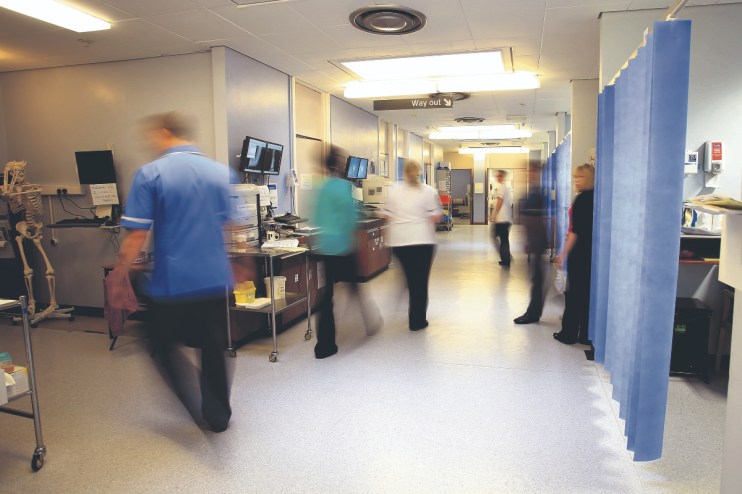
Trying to get a doctor’s appointment is like trying to win the lottery these days, and it has a knock-on effect on businesses losing out on work due to staff needing to take sick leave.
Almost two-thirds of UK employees find it difficult to book a doctor’s appointment, resulting in them self-treating due to a lack of access to healthcare, a study by Health Shield Friendly Society revealed.
As a result, 41 per cent of respondents to this study said they have suffered due to lack of access to healthcare. Paul Shires, director at Health Shield, said: “These stark figures show that access to NHS services has become a struggle for many employees.”
The Office for National Statistics reported that employees lost an estimated 148.9m working days due to sickness or injury in 2024; this is an average of 4.4 days lost per worker.
The ONS data highlighted that minor illnesses accounted for 30 per cent of occurrences of sickness absence in 2024, followed by musculoskeletal problems at over 15 per cent.
Delays after delays
The issues and delays at the NHS have been widely reported; there are around an estimated 6.25m people sitting on a list waiting for treatment in England.
Politically, being the Health Secretary is generally considered to be a significant portfolio. So much so, fixing the issues facing the NHS were one of the core manifesto pledges from Labour during the election last year.
Before the election, Labour promised to “build an NHS fit for the future”, which included reducing NHS waiting times by 40,000 appointments every week and restoring the right of people to have a family doctor.
In a radical move, Prime Minister Sir Keir Starmer announced in March his plans to abolish NHS England and bring the health service under government control.
However, Katie Collin, partner at Ramsay Brown, argued in Morning Wire that Health Secretary Wes Streeting’s plan to reduce waiting lists by shifting care out of hospitals makes only superficial sense. If GPs are going to shoulder more of the burden, they need the resources to do so.
While the total number of patients on the waiting list decreases slowly, with data showing a drop from 7.48m to 7.43m between December 2024 and January 2025, the issues surrounding accessing a GP persist.
As Shires stated, the Health Shield Friendly data reveals healthcare access is “not just a national issue but a workplace challenge”, as anxieties can impact both morale and performance.
Going private
As a result of the issues in the public medical field, people who can afford to do so – and those who have been provided coverage through their jobs – are opting to use private healthcare.
Just last week, the latest Private Healthcare Information Network data on private healthcare admissions was published, which revealed that there were more private hospital admissions in the UK in 2024 than in any previous year on record.
The data highlighted that total admissions for private healthcare usage reached a record 939,000 last year, three per cent above 2023.
Brett Hill, Head of Health and Protection at Broadstone, said: “We do not expect meaningful improvements in NHS service levels in the short-term, so individuals and businesses alike are likely to continue to turn to the private sector to get the care they need in an appropriate timeframe.”
“Private medical insurance has driven the lion’s share of admissions growth in recent years as businesses expand coverage and proactively encourage employee uptake,” Hill stated.
He added that healthcare “is now a C-suite issue with business leaders recognising that early intervention keeps people healthy, reduces absence and protects productivity”.
This is a trend Morning Wire covered in March 2024 when City businesses told us they were increasingly offering private healthcare insurance as an employee benefit in their efforts to recruit new staff.
An analysis by Broadstone of the latest FCA Financial Lives Survey found that 14 per cent of the UK population now holds private medical insurance, 7.6m people, up from 6.7m in 2020.
Hill added that “employer-funded health insurance is no longer a niche perk, but a mainstream expectation for many employees”.
This article has been updated to change waiting list figures from 7.42m to 6.25m.