Want fairness? Beware the opportunistic calls for a windfall tax on energy giants

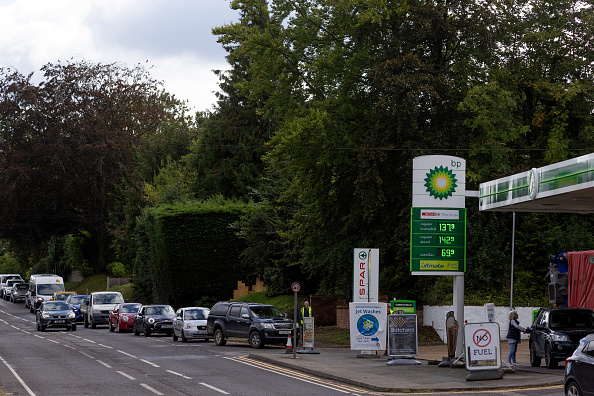
Both the Labour and the Lib Dems have proposed a “one-off” windfall tax on the profits of UK oil and gas companies to help families struggling with their energy bills. Surely it’s only fair that giants like BP and Shell, making bumper profits, should be asked to pay a little more? Not quite.
For a start, the “fairness” argument is overplayed. Some people will always regard “profit” as a dirty word, and big profits as “obscene”. But these are huge, global companies, and their profits are far less remarkable when compared to turnover, or capital employed.
It is particularly misleading to suggest that they are making all this money in the UK, so it can easily be tapped for a UK windfall tax
While BP and Shell have obviously benefited from the surge in energy prices in 2021, they were also hit hard by the global recession and collapse in prices in 2020.
For example, BP made a profit of US$12.8bn in 2021 (on an “underlying replacement cost” basis), but this followed a US$5.7bn loss in 2020. Taking these two years together, BP is still worse off than if the pandemic hadn’t happened, so where is the ‘windfall’?
There are also two more fundamental objections to a windfall tax. The first applies to any form of corporate taxation.
Many are now arguing that the government could avoid taxing individuals by raising taxes on companies instead. However, companies are only legal entities and cannot bear the economic burden of taxes themselves. This burden is always passed on to real people, not all of whom will be wealthy shareholders. The second point applies specifically to windfall taxes. These sorts of ad hoc tax changes are more likely to add to business uncertainty and undermine investment.
Supporters of a windfall tax argue that the extra profits were “unexpected” and therefore that investment plans cannot have depended on them. The fact that some energy companies are buying back shares also suggests that they have more than enough cash for the investment opportunities available to them.
Nonetheless, the objection to windfall taxes is broader than this. Profits ebb and flow over the business cycle and the precise amounts are often “unexpected” to some degree. The losses in 2020 were presumably unexpected, too. But if companies believe that profits might be taxed at a higher rate in better years, expected returns to investment will be lower, and so there will be less of it.
This risk might be reduced if firms can be persuaded that a windfall tax is indeed just a “one-off”. But supporters have weakened their own case here, both by citing precedents and by suggesting that the idea should be extended to other sectors, such as online retailers, or banks.
The slippery slop argument is easily overused, but that doesn’t mean it lacks credence. Why should any company go the extra mile during a crisis if they fear they might be whacked with a punitive tax? The prospect of a windfall might be appealing, but even the taxman shouldn’t expect a free lunch.
Finally, the North Sea tax regime is already an outlier, with higher tax rates offset by relatively favourable capital allowances. Adding another 10 percentage points to the headline rate, as Labour has proposed, would be a complication too far, for a relatively small gain. More could, and should, be done to help low-income households through the cost of living crisis. But individuals and companies are already paying more tax than expected, and lower government borrowing means that the Chancellor doesn’t need to add even more to their burden.