What Britain’s little toll road says about the future of infrastructure finance


Compared to many Western countries, the UK has a relative dearth of toll roads. Today, only one major toll road operates, the M6 Toll from Cheslyn Hay to Coleshill, near Birmingham. Even so, the road is a public-private partnership. It has been many years since a truly private toll road has been built in the UK.
That streak was ended by an unassuming, 62-year-old man from Kelston in May. Frustrated by the slow work after a landslip closed a portion of the A431, Mike Adams, with the cooperation of farmer John Dinham, spent £150,000 to build a road across Dinham's land. The toll road, for a cost of £2, cuts nearly an hour off the long, slow detour that cars would otherwise need to take.
Adams' work falls into a long tradition of private provision of public services in order to serve some private goal. In Adams' case, he felt taking action into his own hands would save him time, help the community, and possibly make him some money as well.
Actions like these are not without precedent. In the American island state of Hawaii, residents and business owners gathered together in 2009 to fix a road through a state park that was vital to the area. They completed it entirely for free, with locals donating machinery, materials, and labor. In fact, the project was completed in a shockingly brief eight days.
While more direct than most, these events highlight a growing move toward the private financing of public infrastructure worldwide. Public-private partnerships, or P3s are increasingly common for new road projects. When new infrastructure needs arise, the idea of involving private groups in traditional public projects is quickly becoming an option of first resort. In the last few weeks, Washington DC's Interstate 66 has seen bids for a new P3 to build toll lanes. Developing countries are entering the game as well; in fact, the World Bank released a "Toolkit for Public-Private Partnership in Roads and Highways" in 2011.
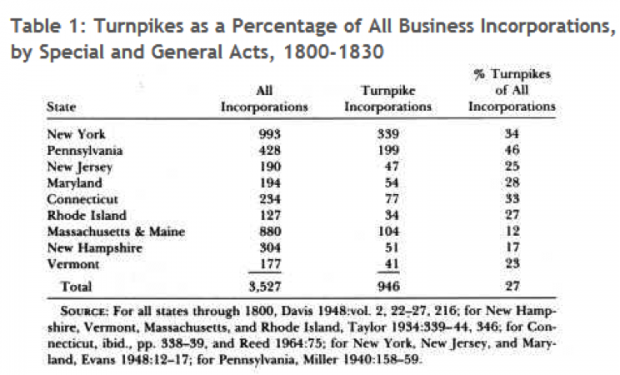
Private roads have a long and storied history in both Britain and the US. Between 1800 and 1830, private turnpikes made up an astounding 27 per cent of all business incorporations in the US. Britain, between 1750 and 1772, had previously experienced a period of "turnpike mania", as noted by economic historians Daniel Klein and John Majewski. Put simply, private infrastructure is by no means a new thing. It is simply the slow return to the way many roads were originally built.
Of all the places where public-private partnerships have thrived, Australia stands out as one of the leaders. There are currently eight P3 projects on the market, with others in the pipeline, ranging from new rail lines and roads to hospitals. Each of these projects brings private financing into traditionally public projects, with benefits to companies, taxpayers, and, local citizens. Even better, as David Haarmeyer notes in Regulation, infrastructure projects such as those funded public private partnerships serve as good, long-term investments for investors seeking safe returns. He quotes investment manager Leo de Bever, who said that the "natural owner of an infrastructure asset is a pension or endowment fund that intends to hold the asset indefinitely."
Not only can the private provision of public infrastructure provide real and important benefits to individuals who own or use them, they can also benefit people who will never use the road, bridge, or port. While people like Mike Adams may be simply looking to help their community, or make some extra money, these actions have broad implications for society.
The traditional role of the government as infrastructure monopolist is slowly falling apart. Whether from grassroots efforts or large, complicated P3 projects such as the M6 Toll, the market is proving that it can provide infrastructure that people need, in one way or another.