What is the ‘Swiss model’ set to be used in the Champions League, and why have big clubs chosen a system common to chess but unheard of in football?

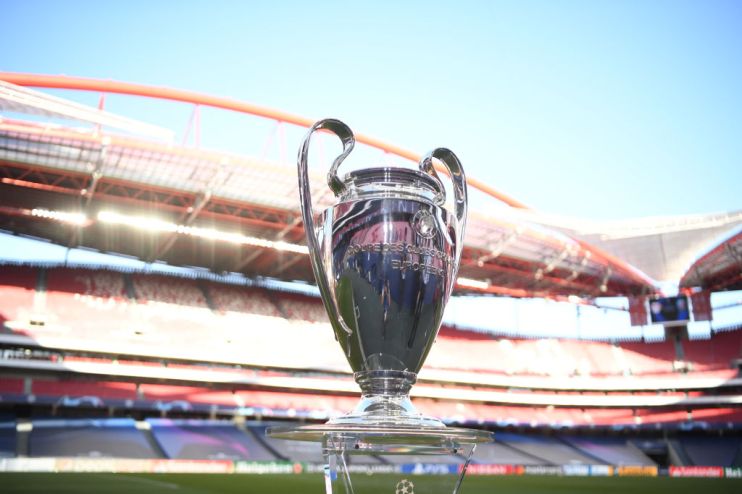
The biggest changes to the Champions League for 20 years – including the introduction of the controversial “Swiss model” – are set to be rubber-stamped in April.
From 2024, it will mean more teams, more matches and a new format common to chess and croquet that, until now, was unheard of in elite European football.
So, what will the tournament look like? Who will win and lose in the shake-up? Why is it happening? And what on earth is the Swiss model anyway?
How will the Champions League change in 2024?
The number of clubs participating in the Champions League proper is only set to increase by four, from 32 to 36.
But the way in which those extra teams are set to be incorporated is where the most significant changes lie.
The current group stage, in which clubs are divided into eight pools of four, is to be replaced with one single 36-team league.
Except it does not function in the way football leagues normally do. This is the Swiss model.
How does the Swiss model work?
Under a Swiss model-style system, teams play a set number of games rather than facing every other team in the league.
In the case of the proposed 36-team Champions League, clubs are set to play 10 matches against opponents determined by a seeding system.
The seeding system will be designed so that all teams play a roughly even split of games against high, medium and low-ranked sides.
Once all teams have played their 10 games, the top eight clubs in the 36-team league will progress to the competition’s knockout stage.
As a bonus, that top eight would also guarantee their qualification for the following season’s Champions League.
The teams that finished in positions 9-24 would then enter a play-off round to determine the other eights sides progressing to the knockout stage.
From the last 16 onwards, the new Champions League format will be the same as the current system.
Why have Uefa and clubs chosen the Swiss model?
Chess, bridge, croquet and Scrabble all use the Swiss model for competitions but it is virtually unknown in football.
The reason it emerged as an attractive solution to the latest power struggle between governing body Uefa and the most powerful clubs is that it suits both parties.
Big clubs want more games, especially between each other, because the media rights should be worth more.
The Swiss model delivers it: overnight, the number of games in the Champions League is set to rise from 125 to 225.
This will likely mean the competition being played all season long, rather than breaking between mid-December and mid-February.
It will also mean less repetition of fixtures. The current groups system sees teams play each other twice but the new format will deliver 10 different opponents.
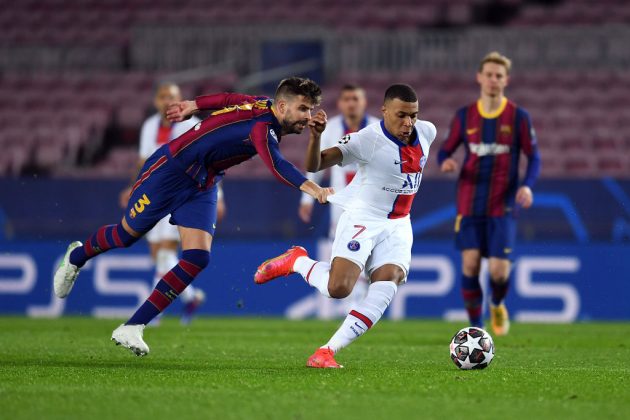
Uefa’s biggest concern, meanwhile, is placating the big clubs enough that they drop the threat of breaking away to form their own European Super League.
The European Super League concept has been mooted since the late 1980s, when Silvio Berlusconi attempted to coax other clubs to go it alone with his AC Milan.
It rears its head periodically, usually coinciding with sensitive periods in negotiations between Uefa and big clubs over the next Champions League reforms.
The Swiss model is seen as acceptable by the most powerful teams, although it is unlikely to stave off talk of a European Super League for long.
How will the four extra places be allocated?
One of the thorniest issues around Champions League reform is how the four extra places should be allocated.
The proposal put forward by Uefa and the big-team-dominated European Club Association would see one spot go to the fourth-placed team in the fifth best league, currently France.
That would bring them in line with England, Spain, Germany and Italy, who already provide four Champions League teams.
The other three places would go to clubs who did not qualify via league position but have strong recent records in European competition.
In practice, this is likely to mean a safety net for Champions League regulars who have a bad season – Liverpool, for example, in the current campaign.
Clubs from smaller nations argue that the extra spots should be used to give them greater access.
Currently, the league winners in Turkey, Ukraine, Scotland and Denmark still have to go through qualifying to reach the competition proper.
Umbrella body European Leagues has made this case on the grounds that it is necessary to prevent a widening of the gap between the game’s rich and poor.
Debate has also raged over how the revenue from the new-look Champions League should be distributed.
This issue is believed to have held up confirmation of the changes, pushing it back from this week to next month.
Who wins and loses from the Champions League reforms?
The biggest clubs look set to be the beneficiaries of the changes.
After all, if they weren’t, they might be inclined to revive those European Super League plans.
The Swiss model format is likely to generate more money, of which the big clubs will get the biggest slice.
And the allocation of the additional places is likely to give them more chances to qualify, even if they have a bad year.
The losers are likely to be everyone else, but there is particular concern for the future health of domestic competitions.
If the new Champions League is going to cost broadcasters more, then that could leave less money for domestic media rights.
In addition, the extra games are likely to see clubs even less inclined to field strong sides in the FA Cup and EFL Cup, to the detriment of those competitions.