What makes a great corporate mascot?

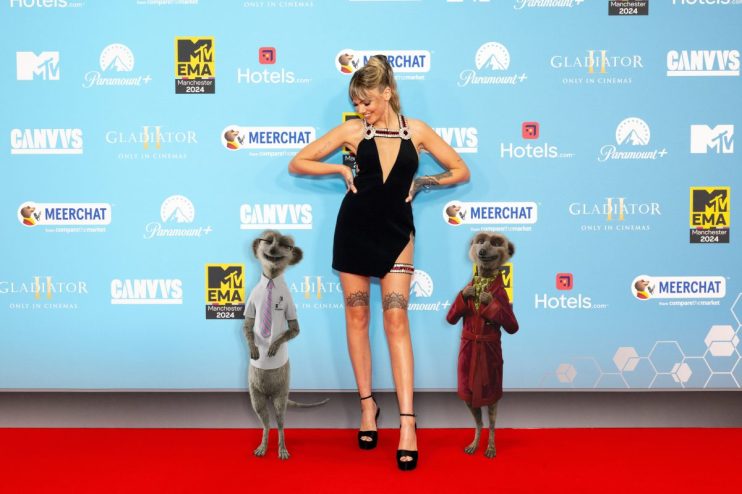
As Duolingo retires then resurrects its owl, it’s clear that mascots are serious business, says Charlie Skinner
First Duolingo retired its owl, then it brought it back from the dead. Publicity stunt? Well yes. And arguably quite an effective one.
What’s for certain, though, is that brand mascots mean serious business. Used for millennia by the military and church, their (relatively recent) deployment by brands has shown what a powerful brand asset they can be.
From Tony the Tiger to Compare the Market’s famous meerkat, the greatest mascots transcend advertising to become cultural icons. They build brand loyalty that lasts generations. And their success often lies in their ability to evolve with the times.
Great mascots don’t just appear – they’re created and curated
There’s a reason why some mascots live on while others fade into obscurity. The best are designed to be timeless.
Consider the Jolly Green Giant, striding into the world as a rather serious, regal figure in 1928. By the 1950s, he’d softened into a warm, friendly giant. Then came the Santa ‘Ho Ho Ho’ era and by the 2000s, he’d gone full CGI. Today, he’s still around, evidence that good design and branding never stand still.
But for every Green Giant, there’s a Joe Camel, the mascot used by RJR for cigarette brand Camel, withdrawn after allegations that he’d been designed to appeal to children.
Brands that misread the cultural moment can find their mascots quickly becoming liabilities.
The secret sauce: emotion + adaptability
The best mascots work because they bypass logic and focus purely on emotional connection. They make us feel something. Even in finance, insurance and utilities – industries that can feel cold and soulless – mascots can break through.
Take the Churchill Bulldog, a brand shorthand for dependability. Or Compare the Market’s meerkat, who turned price comparison into entertainment and became a celebrity in his own right.
Or our own mascot for the Paris Olympics, Phyrges: first ridiculed, then beloved – and eventually described by the New York Times as ‘the hottest-selling item in town’. The success of Phyrges was down to the fact that they were rooted in meaning (the Phrygian hat being a symbol of freedom and revolution) – but joyful, quirky and full of personality at the same time. Phyrge embodied the spirit of the Olympics, but with a twist.
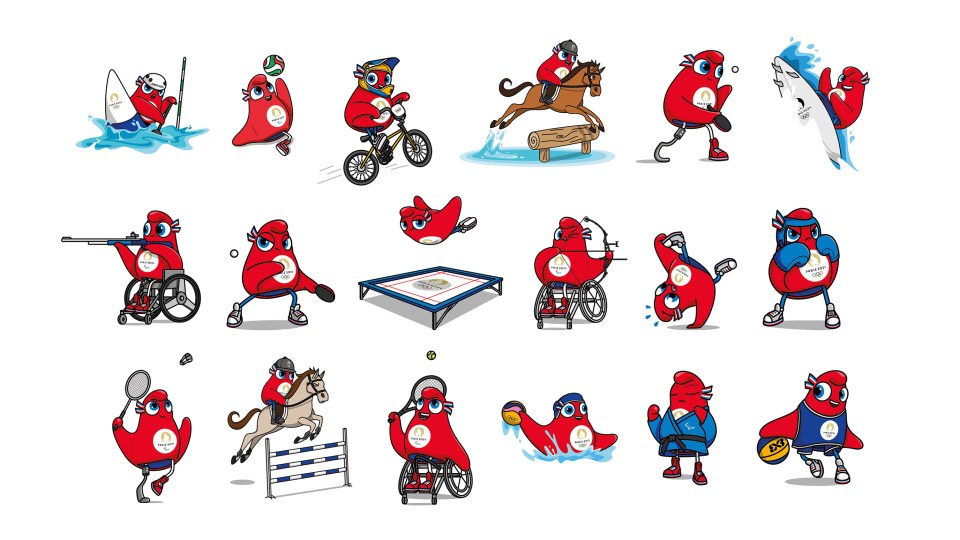
The best mascots stick around because they do more than sell; they tell stories.
So, are we entering a post-mascot era?
Some might say yes. As digital branding evolves, brands need to become more streamlined and more focused so they can project a consistent, clear message across different channels. Logos are becoming simpler, brands more minimalist.
Some might say that mascots are another piece of brand baggage that should be jettisoned in the quest for greater simplicity. But AI can make mascots even more powerful.
Mascots used to be one-way characters: think of Tony the Tiger on a cereal box or the Michelin Man waving from a billboard. But AI can turn them into interactive brand ambassadors.
Imagine: Instead of just seeing Tony the Tiger, you chat with him in real-time about your breakfast choices. Instead of a static Vitality dog ad, your AI fitness coach is the dog, tailored to your habits and goals offering encouraging barks along the way. Instead of Duolingo’s owl sending passive-aggressive push notifications, it talks to you, adapting its tone based on your learning style. An ally not a hater.
The brands that modernise will win.
Because mascots aren’t dead. They’re just evolving.
And for those who know how to use them, they can still be a brand’s best-kept weapon.
Charlie Skinner is head of brand strategy at Conran Design Group – the global agency behind Paris 2024 Olympic mascot Phryges