What NOT to expect in the Spring Statement
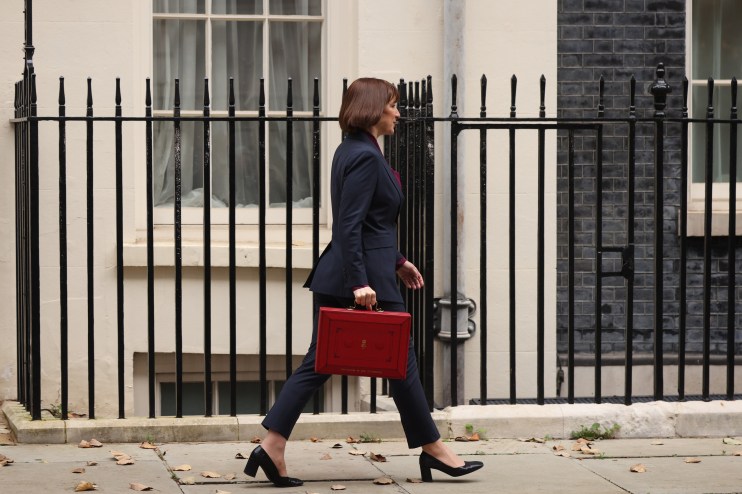
The Spring Statement shouldn’t be a big thing, but it’s increasingly feeling like it could be. Laurence Field and Robert Marchant write what the Chancellor should do, but won’t
Predictions on government fiscal policy are notoriously difficult, but 2025 feels like a year where that challenge is even more acute. Political and economic uncertainty has continued, there is an ever-increasing threat of global trade wars emanating from US tariffs and the UK’s economy has stubbornly refused to grow.
Chancellor Rachel Reeves tried to cut a confident figure last October. Her Budget message? We are sticking to a path of plugging (alleged) black holes through an increase in taxes, but it’s currently just this one NIC rise, and we are unrelenting in our focus on growth.
So now we have a Spring Statement. It’s probably not going to be a Budget, although there have been whispers it may include some fiscal changes. It should be an update on how things are going since we last heard from the Treasury – we all know that there is a lot of uncertainty, and that uncertainty is the enemy of investment, and, therefore, growth.
What are the uncertainties facing the Chancellor? As Neils Bohr, the Nobel Prize-winning physicist highlighted, forecasting is hard, especially when it’s about the future. The ONS forecasts appear to have been overly optimistic at best. Many independent forecasters have come up with lower numbers for growth, and lower-than-expected tax receipts suggest the headroom is gone.
Growth and productivity gains are illusive; lower paid workers are bearing the brunt of the NIC rises with job losses and reduced wage increases. Ordinary working people are feeling the results of the tax changes. While they attracted headlines (and possibly votes), the manifesto pledges of not raising the rates of the main taxes such as income tax and VAT may, in retrospect, not have been well judged in cutting off the most obvious sources of increasing tax revenues.
Headroom is the real problem. It’s essentially a fictitious number designed to tell the gilt market the rate of increase of the nation’s indebtedness and try to convince it that the finances of UK plc are under control. Despite the sophistication of the money market, the headroom calculation can be gamed. For example, when fuel duty is frozen, it is just for a year, the assumption being it will be reinstated the following year. Future personal allowances can be frozen, increasing headroom without changing taxes today. The gods of the headroom must be appeased.
The Spring Statement shouldn’t be a big thing, but it’s increasingly feeling like it could be. Despite that, there are measures we know are very unlikely to feature on 26 March, but may well be worth considering as we look ahead to the next Autumn Budget.
Re-evaluating Corporate Tax
Realistically, 25 per cent isn’t a hugely competitive corporate tax rate – especially if the new US President aims for a rate of 15 per cent. Even if it can’t be cut, aspiring to reduce the rate will get the attention of investors. UK firms deal with a lot of red tape and the new global minimum tax requires a lot of time and brainpower. US President Trump doesn’t like it. Could it be traded away as part of a deal on tariffs?
Increasing workforce participation
Workforce participation has declined by 500,000 since Covid, so the key question is how we get those people back to work. Perhaps a special tax credit for both employer and employee if they return to work after a gap of 12 months should be considered.
Additionally, IR35 has been a bugbear for a generation. Many people do not want to be employees, but are put off by the uncertain tax status of contracting. Making the position simpler for engagers and workers may encourage many to return to the workplace.
Making the UK attractive to the wealthy
Encourage rich entrepreneurs to come to the UK or at the very least stop the wealthy voting with their feet and leaving. There was a time when encouraging City-types to come to London from all around the world was the driver of the UK economy, but this no longer seems to be the case, and it has been fashionable to use the tax system to put the wealthy off spending time here. Rather than look for ways of continuing to punish the sector – welcoming these (on average) wealth creators to spend time in the UK could help kickstart (at least the London) economy.
Boost London’s stock markets
Choosing to float a business in London has become less attractive. The Chancellor could consider removing Stamp Duty on share sales to boost the ailing London stock markets.
Similarly, don’t reduce the cash ISA thresholds, but instead double the value of stocks and shares ISAs to encourage wealthy investors to put more into the financial markets. Equally, don’t tax pensions and ISAs on death, but instead provide tax relief for the proportion invested in the UK markets.
Targeting VAT changes
VAT changes can be targeted on specific sectors that need extra stimulus. Reinstating VAT-free shopping for international tourists could help the retail and hospitality sector, especially at a time when US tariffs may make goods more expensive for domestic US consumers.
The Spring Statement presents an opportunity to try and shift the recent narrative back to the growth-focused message that was promoted so heavily last Autumn. The world has, of course, changed; President Trump has been elected, the Prime Minister has pivoted the aid budget to defence and there is talk of cutting the costs of government. Change provides the political cover to undo mistakes and change direction. The Spring Statement is a chance to do just that or maybe double down on the current direction.
Laurence Field and Robert Marchant are partners at Crowe, an audit, tax, advisory and consulting firm