Renewable infrastructure investment trusts are facing a perfect storm, but what’s next for the sector?

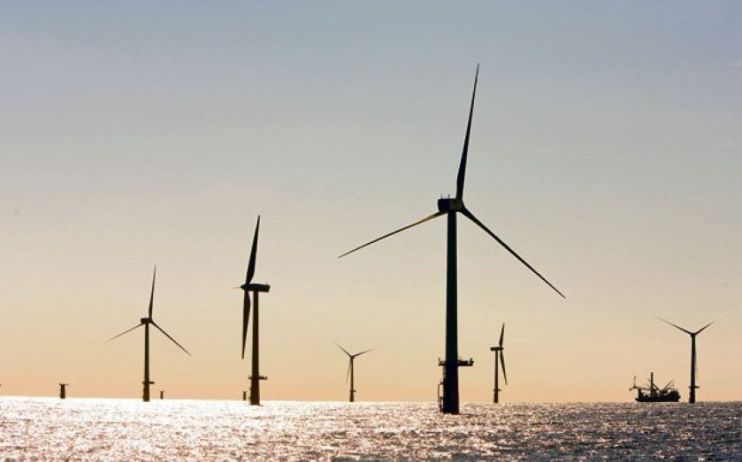
Renewable infrastructure investment trusts are in the middle of a perfect storm.
Market sentiment has dipped to such a degree that multi-billion pound firms aimed at bringing the UK’s winded energy sector back into gear are stalling out.
High inflation, higher interest rates and lukewarm medium-term optimism have cooled market sentiment to such a degree that many are trading on a discount to their total net asset value (NAV), meaning they cannot raise equity.
This not only dampens sentiment among existing and would-be investors, but also broadens the public perception that investment trusts are inferior to options such as gilts, which are currently enjoying record yields.
So what are the issues around this key area of UK energy infrastructure and what can be done about it?
In 2023 so far, investors have pulled around £1bn from so-called ‘responsible’ i.e. ESG-focused investment funds, according to figures from the Investment Association.
Much of the problem centres around a well-trodden issue; regulatory red tape. European regulations drove providers to bundle together fund manager charges with run-of-the-mill corporate costs, making the share price look even less attractive to investors.
Investors have pulled around £1bn from so-called ‘responsible’ investment funds.
Investment trusts therefore appear as if they are more expensive as the cost of running the company is also included in the fee, not just the asset management fee as is the case with open-ended funds.
This instruction is known as the Markets in Financial Instruments Directive. A cost disclosure revolution is underway trying to resolve this problem and rightly so.
Investment trusts are a third of all FTSE 250 companies, and four investment trusts are FTSE 100 companies.
But once the clouds have cleared and general investor sentiment has improved, it is likely investors will cash in given NAV performance will have remained stable or shown moderate growth. But right now, the appetite just isn’t there.
The largest of the 22 investment trusts in the renewable energy infrastructure sector, Greencoat UK Wind illustrates the situation perfectly.
As of this week, the company owns 49 UK farms, totalling 2,007 megawatts generation capacity; seven per cent of the UK wind market and two per cent of the UK’s entire electricity.
Greencoat is therefore, to an extent, insulated from the issue of rising capital costs and the inaction from the government to efficiently mobilise renewable energy infrastructure.
With several hundred million pounds available to remain an asset buyer and an inflation-linked dividend mission statement, Greencoat is likely to retain investor interest come rain or shine.
Trusts spread across other sectors of the renewable mix aren’t feeling so lucky.
HydrogenOne is the first London-listed fund investing solely in clean hydrogen and has seen its share price fall by 52 per cent since floating in July 2021.
Unlike wind projects, the exact framework of how hydrogen technology will help our energy supply hasn’t been fully worked out yet and this could be, in part, why it remains a tough sell as a ‘buy’ stock.
The latest tranche of the government’s £400m hydrogen strategy, announced last week, might help to shore up investor confidence in the technology’s use case.
But perhaps it won’t be enough. The election battleground will be won and lost on pounds and pence and though renewable energy has been earmarked to power us in the future, its eye-watering cost to the public continues to surprise.
The UK will likely scramble to meet its 2030 target, probably in the form of frantic investment and infrastructure programmes.
In renewable energy investment trusts, investors don’t appreciate what they’ve got at the minute. Luckily, they won’t be going anywhere.