What’s gone wrong with the police?

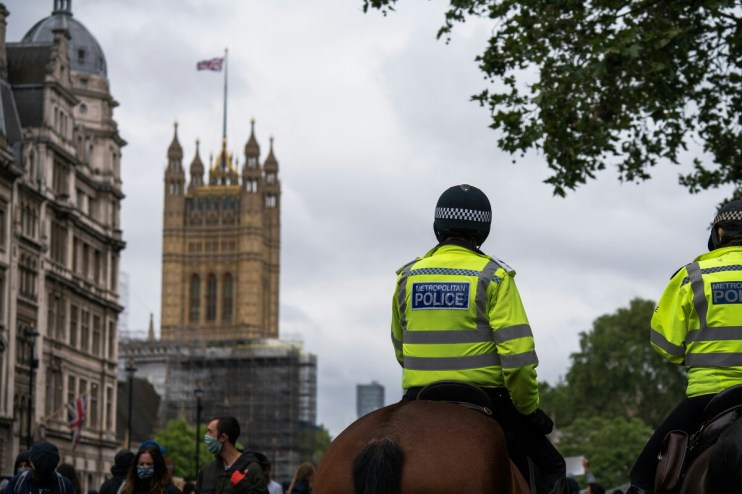
Britain’s police forces are facing three interlinked crises – of people, purpose and poor technology, says Simon Clarke
Policing is in peril. The performance of our police is at an all-time low, with fewer than seven in a hundred crimes leading to a charge or summons, down from 17 out of 100 in 2015. Sexual offences and criminal damage are the least solved crimes, and the situation is getting worse rather than better. Just five per cent of sexual offences resulted in a charge or summons in 2023-24, down from 19 per cent in 2015.
What is going on? Onward’s latest research uncovered three interlinked crises in the police – of people, purpose and poor technology. On people, the number of officers voting with their feet tells a devastating story. In 2023, we reached a crossover: the number of police leaving because of voluntary resignation exceeded those leaving to retire. Last year, the number of voluntary exits from the police was five times higher than in 2012. An environment of poor morale is driving resignations, with 87 per cent of officers reporting either low or very low morale in their forces. Despite the target-exceeding success of Boris Johnson’s policing uplift programme, the average force across England and Wales experienced a seven per cent decline in police per head of population since 2010, with higher recruitment unable to counteract poor retention.
As a result, the police workforce is stretched thin. Nearly two-thirds of officers reported having their rest days cancelled and their annual leave requests denied. Their intensified workload has not been matched by commensurate pay either. Police pay has fallen from the 78th percentile in 2007 to the 69th percentile in 2022 – a higher drop than pay for doctors, teachers and nurses. It’s no surprise morale is suffering.
What are the police actually for?
On purpose, we found a worrying mismatch between what the public want the police to do, and what they actually spend their time doing. In particular, the police’s ability to fulfil their primary goal of tackling crime has become compromised by escalating pressures to respond to mental health cases. In some forces, the number of requests to deal with mental health calls more than tripled between 2019-21, but most of these cases don’t require a police presence.
Annually, police spend a staggering 800,000 hours waiting with mental health patients – time that could instead address the 400,000 domestic abuse incidents, 1.3m antisocial behaviour reports, or 500,000 burglaries that police are called to each year. The Conservative government rolled out Right Care Right Person (RCRP) to respond to mental health pressures, which aims to reduce the mental health burden by signposting mental health callers to the services they need. It has freed up police time in forces that have started to implement RCRP, but there is no fixed timeline for implementation, and forces have been adopting the programme to varying degrees. Local authorities are also yet to receive guidance on how to get involved, all pointing to the fact that much of the mental health caseload that the police deal with persists.
The replacement of a police computer system launched in 1974 is due this year – five years late and hundreds of millions over budget
On poor technology, this year represents a major moment in the replacement of the police national computer – launched in 1974. The replacement system is due to be implemented in September, five years late, hundreds of millions over budget and only three months before technical support for the PNC is due to stop, leaving vast amounts of criminal data at risk of being lost altogether. The Public Accounts Committee has said it is “sceptical” that the 2025 delivery target will be met.
The sum total of all this? The culture of policing in Britain requires a fundamental reset. Recognising the sheer scale of the problem is a first step. Over the months ahead, Onward will set out the possible solutions.
Simon Clarke is the Director of Onward, the centre-right think tank. “Policing in Peril”, by Shivani Menon, Phoebe Arslanagić-Little and Lucia Goodwin, is available at https://www.ukonward.com/