Whole Foods was Amazon’s grocery debut, now it’s time for a main course

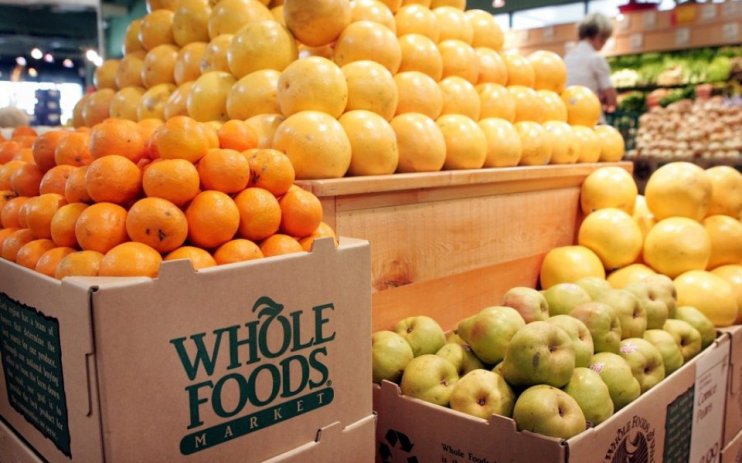
Amazon took its first major step into grocery when it bought Whole Foods Market in 2017 for $13.7bn. The purchase sent shockwaves through the retail world at the time. It marked Amazon’s first step into brick-and-mortar retail and analysts interpreted the move as an effort to muscle in on the supermarket sector.
But Amazon’s Whole Foods strategy has always been ambiguous. In the US, it has prioritised the rollout of Amazon Go – now rebranded as Fresh. Through the grocery delivery service, it showcased its best-in-class customer-centric technology innovation.
In the UK too, we now have Amazon Fresh convenience stores on our street. There has been barely any effort to expand the Whole Foods brand, let alone embed its technology into the supermarket.
In fact, Whole Foods has always remained fairly independent from the Amazon ecosystem. In North America, it is a national chain with almost 500 stores. But in the UK, Whole Foods operates just seven stores – all in London and most are loss making.
All in all, Whole Foods doesn’t generally attract much media attention in the financial pages. The biggest news was earlier this year, when its CEO and co-founder John Mackey announced he would step down from his post after more than 40 years running the business.
Even with this exit, Amazon hasn’t signalled much interest in expanding the brand. The grocery store was an experiment; it was an opportunity for Amazon to learn about the unique dynamics of grocery and to operate physical stores. It was never going to be the sledgehammer to conquer grocery in the way it dominates other sectors, from books to consumer electronics and household appliances.
But UK supermarkets are a much trickier business, with a strong value proposition (and wafer thin margins), complex fresh and chilled supply chains and powerful incumbent retailers who are among the best operators in the world.
Amazon has learned a lot about the category over the past four years – and made the most of its sophisticated fulfilment capabilities last year when Covid-19 put the jet fuel in grocery ecommerce. This has driven interest in British grocers from cash-rich investment firms and seen Morrisons get snapped up by Clayton, Dubilier & Rice (CD&R) after a bidding war and ASDA’s purchase by the Issa Brothers.
To compete in this fast-changing grocery landscape, Amazon can only take on UK grocery through a mass market supermarket play – buying an existing supermarket in the UK to close the gap quickly. With Morrisons out of the picture, Amazon will likely be eyeing up the remaining players.
As one door closes, another opens. So is true for Amazon after Mackey’s departure. Enter stage right, Tesco veteran Tony Hoggett, hired to run Amazon’s global retail stores. There is a clear desire to integrate the tech giant into the future of food in the UK.
Even during its short foray into groceries, it has shown its potential for disruption; Amazon’s UK food sales grew 17.6 per cent in 2020 and the company was ranked 19th of all UK grocers. By 2025, Amazon UK is expected to become the 15th biggest seller of edible grocery products, surpassing Shell, McColls, BP and Wilko.
Amazon’s gross sales in the UK will reach £77.1bn by 2025, beating the current market leader, Tesco, which is anticipated to grow sales to £76.1bn over the same period.
Amazon has a huge scope to challenge the grocery industry, with its ability to use customer data to power alternative channels. It has been doing this for years through its marketplaces and growing network of revenue streams. To build on this foundation, there is no clearer path to growth than a future acquisition.
If the grocery giants want to compete with Amazon, they must focus on transitioning their business models towards data-fuelled ecosystems, focusing on technology, logistics, media platforms and private label. This must include establishing a strong multichannel approach that seamlessly connects stores with online offerings and transactional platforms.
Whole Foods was a snack. Amazon will be looking for the whole meal in 2022.