Why brands can fail miserably at sponsoring Wimbledon

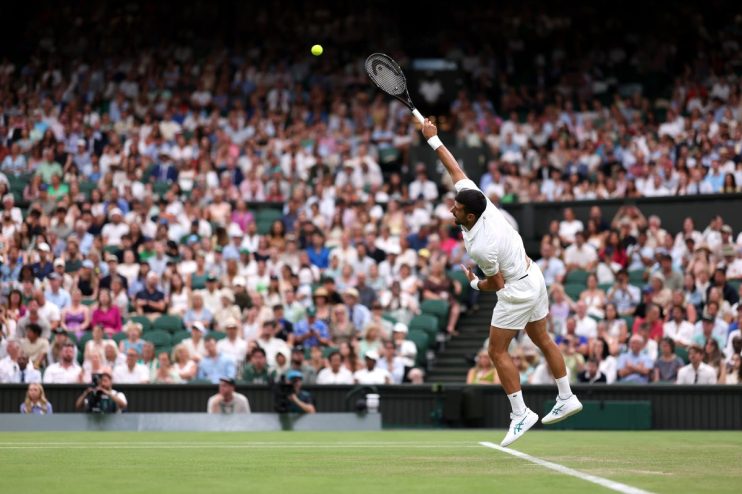
With the Grand Slam in full swing, Sam Milne discusses why brands still manage to fail at Wimbledon
Pimm’s, strawberries and cream, pristine grass courts, and royalty and sporting legends intermingling evoke only one place: Wimbledon. It’s one of the few global sporting events that feels timeless, and minus the players themselves, an image from 2003 could easily be mistaken for one from 2026.
That heritage is precisely why brands want to be associated with Wimbledon. From its global audience of hundreds of millions, to the affluent shoppers on the grounds and its reputation built over 139 years, Wimbledon represents prestige, elite achievement, and genuine cultural weight.
Yet for all its appeal, Wimbledon is one of the most challenging environments in sport to deliver meaningful ROI from sponsorship. The problem for brands is that they’re applying the logic of modern sports sponsorship to an event that operates by entirely different rules.
The Wimbledon logic
What makes Wimbledon iconic is its restrained commercial presence. Similar to the Olympics, there are very few courtside ad boards, player logos are tiny, and the brand palette is Wimbledon’s purple and green. In comparison to the ongoing Fifa World Cup, or even a similar luxury sport like Formula 1, it’s a breath of fresh air. It’s this restraint and purity that make it so valuable and desirable.
For brands that arrive expecting prominence and splashy visuals, Wimbledon’s subtle presence can be disappointing. Wimbledon offers relatively little visibility in comparison to other sporting events, and highly commercialised ads and placements feel out of place and even jarring to viewers. So, if eyes on your logo across the tournament is your main goal, Wimbledon simply isn’t the place for you.
That can be a tricky conversation within the boardroom. Wimbledon carries a level of prestige that makes it easy to justify sponsorship investment. But a CEO’s love of the sport or the allure of being associated with it is not an effective marketing strategy, and the usual playbook doesn’t work at Wimbledon. Successful partnerships must start with clear commercial objectives, and there must be a clear and credible role for the brand within the experience beyond a media shoutout.
The strategy
The play is to build your strategy as a broader marketing platform. Brands won’t outshine anyone on Centre Court, so earn attention around it. Use your owned channels and adjacent media where branding is welcome, for example, retail, packaging, apps, tasteful out-of-home advertising on the routes to SW19, and creator content around key matches and storylines get people talking.
Creating association is where sponsorship becomes brand building. To do this well, you need to know what the event stands for and lean into it. Brands that consistently connect themselves to the known attributes of an event can borrow these and, over time, embed those traits within its own identity.
The other perk of sponsorship is access. Brands can access new channels with effective strategies by engaging the right people, high-value prospects, retail partners, creators, loyal customers, hard-to-reach stakeholders, and celebrities. The money-can’t-buy experiences that sponsorships offer can be the opportunity to build that key relationship and be seen with the right influencers to build your reach. Shared experience and emotional context are not a soft benefit; they’re a fundamental relationship builder.
At Wimbledon in particular, that access becomes more valuable because of who the event concentrates in one place. It creates rare proximity to high-net-worth individuals, senior decision-makers and cultural influencers who are difficult to reach through traditional marketing or advertising. Simply being in that environment, defined by heritage, trust and prestige, sets your brand apart. It’s the chance to frame your brand in just the right way and at just the right moment, when attention and emotions are high, and people are most amenable to your message.
Wimbledon’s influence
The often overlooked test of any sponsorship is whether it influences behaviour. Wimbledon’s offering works across two levels: commercial exclusivity on site and the wider cultural moment around it. Products and experiences become part of how people consume the tournament, and what they carry away afterwards.
The key is to put Wimbledon at the heart of the commercial journey. Use it as the trigger, whether that’s purchase, sign up, or some other type of engagement, and don’t use up all your budget on buying the sponsorship. Activating the partnership requires between one and three times as much investment as the sponsorship itself.
The brands that fail at Wimbledon do so because they are applying the wrong logic to the right opportunity. Wimbledon rewards brands that fit the occasion, and those willing to build relevance over time will see the greatest returns. Your sponsorship can be invisible to the world, but if it’s reaching the right audiences, building the right associations, creating the right access and influencing behaviour, it can still deliver significant value. Those that understand that can turn restrained presence into lasting impact.
Sam Milne is a Partner at brand consultancy Lippincott