Why does Portugal produce so many top football managers?

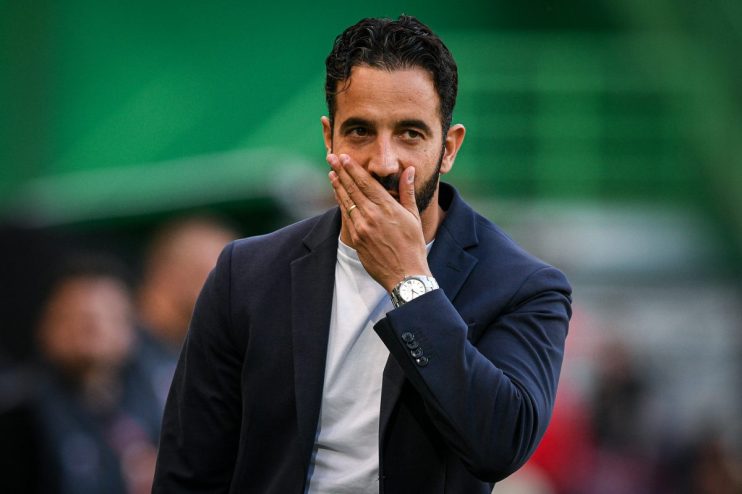
When Manchester United identified Sporting Lisbon’s Ruben Amorim as the man to succeed Erik ten Hag as manager they did what dozens of leading European clubs have done in the last 20 years: look for a Portuguese coach.
From Jose Mourinho to Jorge Jesus, Andre Villas-Boas to Leonardo Jardim, Nuno Espirito Santo to Marco Silva and many more, a country of just 10m inhabitants and only slightly larger than Scotland has become a production line of coaching talent.
Including Amorim, there are as many Portuguese coaches in the Premier League as there are English. Across the top seven European leagues and the Saudi Pro League, they are the second most prevalent non-native managers, after their Spanish neighbours.
It was even more pronounced just a few years ago, when Portugal provided more coaches to the Premier League, Serie A, LaLiga, the Bundesliga and Ligue 1 than any other overseas country. But they are still punching well above their weight.
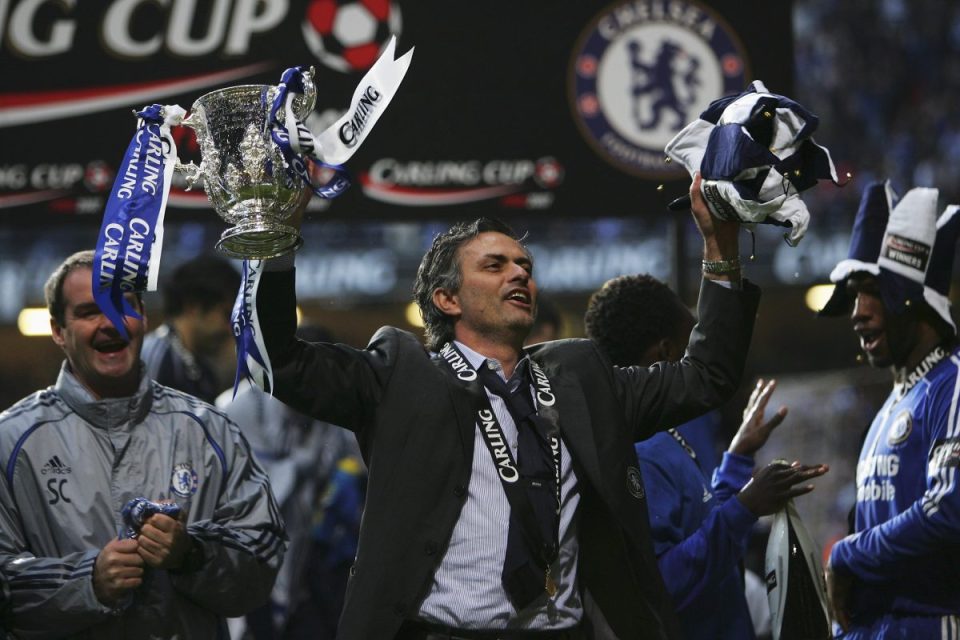
Why? Mourinho is a good starting point for an explanation, given his trailblazing spell at Porto opened the door for him to enjoy further success at Chelsea, Inter Milan and Real Madrid – and for many of his compatriots to follow him abroad.
There has probably been an element of clubs trying to find the next Mourinho – Chelsea’s ill-fated hiring of his former protege Villas-Boas being the most obvious example – but in the main the reputation of Portuguese managers has been earned through trophies.
Journeyman Jesus translated his success at home with Benfica into domestic and continental glory at Flamengo in Brazil, Al Hilal in Saudi and Fenerbahce in Turkey, while Jardim impressed with Olympiacos in Greece before leading Monaco to the French title.
Even those who stumble tend to prove their worth. Villas-Boas flopped at Chelsea but went on to win silverware at Zenit St Petersburg. Nuno and Marco Silva had short-lived spells at Tottenham and Everton but remained in demand because of their previous work and continue to work in the Premier League, at Nottingham Forest and Fulham.
Most of these managers had only modest playing careers, in any at all. Instead they have climbed the coaching ladder through studying and then trying out their ideas in youth, lower league and domestic football. Portuguese coaches are encouraged to think about the game deeply, and that cerebral approach is probably their defining trait.
“We have a very good system for developing coaches,” says Luis Araujo, a coach at Benfica’s under-19 team. “There is more time here for coaches to talk, so we are always learning with and from other coaches. It’s our passion, but it’s about our capacity to adapt, because Portugal isn’t a country with a lot of resources.
Academia is the foundation of Portuguese coaching, with affordable courses widely available and whole degrees dedicated to football – unlike in many countries, where sports science qualifications do not allow for drilling down into a single game’s minutiae. And the most influential thinker on the game is Dr Vitor Frade of the University of Porto.
Like Mourinho, a former assistant to former England manager Sir Bobby Robson at Porto in the mid-90s, Frade is the godfather of “tactical periodisation”, a methodology favoured by Mourinho, Marco Silva, Nuno and many other Portuguese managers.
Definitions are elusive even among its disciples, but in essence it is a holistic approach to training which favours working with a ball at all times. That might sound like simple common sense, but is at odds with much strength and conditioning work.
“Portuguese managers work with the ball. Mourinho was working like this a long time ago,” said Carlos Carvahal, the former Swansea and Sheffield Wednesday coach now back home with Braga.
“Vitor Frade is the brain of it all. You could call him a kind of scientist but he is a very practical scientist because he did his work on the pitch. At the same time, he was very academic and clever. He is a fascinating man.”
Portuguese football insiders believe these book smarts are aided by cultural factors, such as a tendency towards collectivism over individualism, and a pragmatism that stands in stark contrast to ideologues such as Pep Guardiola and others from the Dutch-Catalan school of coaching. It is this latter trait that also helps Portuguese managers to adapt to new teams and countries.
Amorim, 39, is part of the latest wave of successful Portuguese managers ready to try their hand in bigger leagues, along with Porto’s Sergio Conceicao. If he can find a way to restore Manchester United to their former glories, then the steady stream of coaches leaving the western side of the Iberian peninsula is likely to keep flowing.