Why free bank accounts will have to go to spur competition in banking

The Competition and Markets Authority (CMA) is consulting on its provisional decision to launch a formal investigation into UK banks. In other words, the CMA wants to increase competition in banking to better meet the needs of consumers. And alongside other issues, it is concerned that the Big Four banks have a 77 per cent share of the current account market.
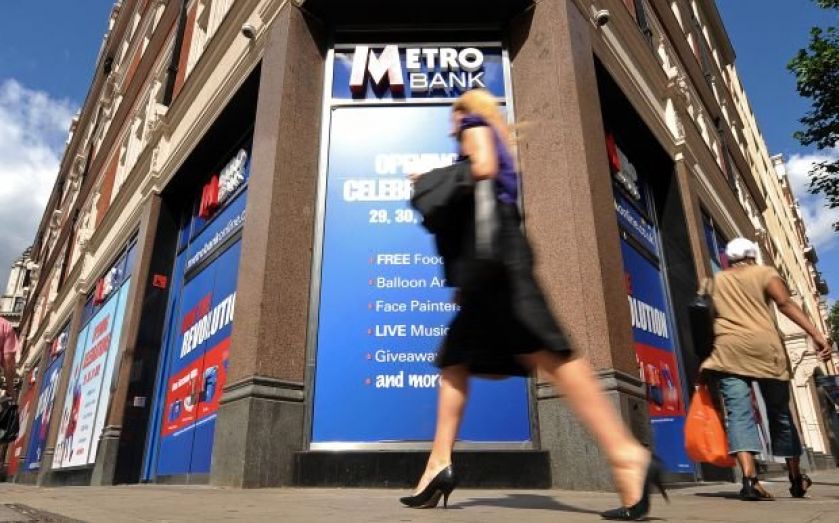
But what is the problem? A host of challengers have entered the market – including Metro Bank, Tesco Bank and M&S Bank. Regulatory changes have facilitated new entrants, and the British Bankers Association argues that new technology will allow for more innovative banking services and competition.
And a lot is at risk. Speculation is rife that, if the investigation goes ahead, it could result in forced divestment to challenger banks. Last year, TSB was hived off Lloyds with a 4.2 per cent market share of current accounts. Full account number portability is also being floated, an expensive move that is sure to be unpopular with the banks.
But the CMA is also concerned that free in-credit banking – the majority of current account holders don’t pay an obvious fee – may be distorting competition. It could be right. The UK is unusual in having this model. Indeed, the Bank of England’s Andrew Bailey argued in 2012 that free banking is “a dangerous myth”, which hides the true cost of accounts. There is certainly an issue with overdrafts, one of the ways customers are charged under free in-credit banking. There are so many tariffs and structures that it is virtually impossible to compare them.
So if we really want to heighten competition in the market for current accounts, free banking may have to go.
For current accounts, the main problem is consumer inertia. Despite the launch of the seven day switching guarantee in September, switching levels are running at about 3 or 4 per cent a year. People need a reason to change bank, and those that do so tend to do it either to get a better deal financially or because of dissatisfaction. One of our surveys found that 64 per cent of consumers won’t switch because they’re happy with their account. Another 8 per cent thought accounts are so similar that there’s no point switching.
Yet there are generous offers available – current accounts that pay better interest rates than easy access savings accounts, or which give you £100 for joining. Hordes of people could benefit from switching. But they don’t.
So how do you get customers to change? One problem is that it takes time for any shift to happen. For a new provider, it’s an incredibly slow process to pick up meaningful market share, and they tend to target niches. Metro Bank promises long opening hours and excellent service. M&S Bank and Tesco Bank have started offering free in-credit current accounts. Of the established players, Nationwide and Santander have been picking up market share with attractive deals.
But if we really want to speed up that process, we will need a fundamental spur. One thing that would really do this is if free-in-credit banking disappeared. Receiving a letter telling you that you’ve got to start paying for something that you previously thought was free would make significant numbers seriously look for an alternative. It certainly wouldn’t be a popular. But if our aim is to increase switching rates, it may well work.