Why markets are concerned by the French election

The first round of the French elections will take place this weekend and markets will be watching the results with interest and no little concern.
France’s fiscal position is not good. Its national debt stands at around 112 per cent of GDP, a bigger debt burden than Germany and the UK.
It does not look like getting smaller any time soon either. Last year France’s budget deficit stood at 5.5 per cent of GDP reflecting sluggish growth and the continuing impact of Covid support measures.
EU debt rules require member states to keep debt below 60 per cent of GDP and to keep the deficit below three per cent. Although these were scrapped during the pandemic, the bloc brought them back this year.
Last week the EU fired off a warning shot about France’s “excessive” deficit, calling on the government to balance the books quickly. It will likely enter negotiations with the EU to agree on a plan to cut spending next month and will face heavy fines if it fails.
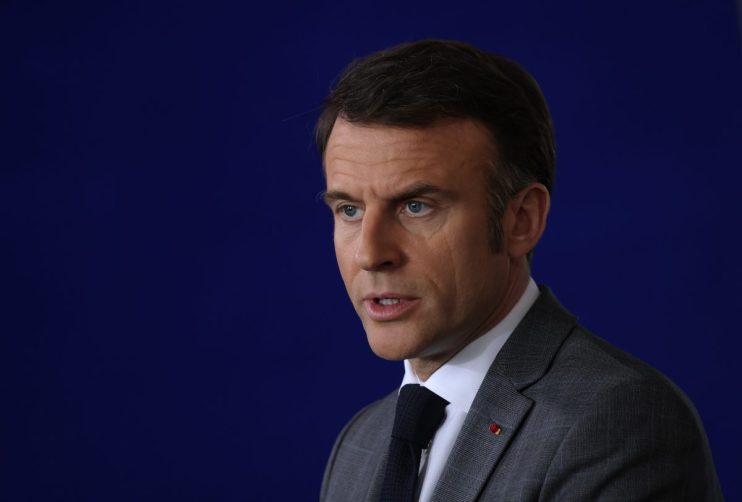
Macron is committed to cutting the deficit. His party has plans to cut spending by up to €20bn this year and another €20bn next year. But, Macron’s Renaissance party is likely to suffer badly in the election, currently polling around 20 per cent.
It’s fair to say the parties leading in the polls are less committed to fiscal prudence than Macron.
On the right there is Marine Le Pen’s National Rally (RN), currently at 34 per cent. The party’s 2022 manifesto contained a series of spending plans – including reducing VAT and lowering the retirement age – which would cost about €100bn.
RN officials have tried to back-track on some of the more extravagant spending plans in recent weeks to ease market concerns. RN President Jordan Bardella said he would stick to “reasonable” spending plans which would bring France’s deficit back to three per cent of GDP by 2027.
Nevertheless, the party’s likely course of action if it enters office is still very uncertain as it has not released a manifesto.
“Even if it tried to implement only part of its fiscal pledges, investors may be concerned about fiscal sustainability,” Andrew Kenningham, chief Europe economist at Capital Economics said.
On the left there is the New Popular Front, polling at 28 per cent. The NFP has plans to increase annual public spending by €150bn, including reversing Macron’s detested pension reforms and increasing public sector wages by 10 per cent.
What’s worse for markets is that this fiscal expansion will be funded by a new tax on businesses generating over €15bn and a wealth tax. They claim that this will not increase the deficit, but nor will it fall.
Over the course of the campaign – and as RN has appeared to moderate its economic plans – the left has emerged as the greater fear for many economists.
“In our view, NFP forming the government, whether outright or as a minority, would be most adverse for financial markets,” analysts at Nomura said.
Mark Dowding, chief investment officer at RBC Bluebay Asset Management, said an RN majority would be “the most palatable outcome for markets and the broader business community”.
Its possible that the RN or the NFP could lead a government after the election. Kenningham said it was the most likely outcome, although he said they would only be able to pass a “fraction” of the campaign promises.
If the next government went further, and tried to push through large spending plans then France could suffer a bond market meltdown.
Markets have reacted to this concern already. The spread between French and German 10-year government bond yields rose to its highest level since 2017 this month, although this was largely a result of falling German yields rather than rising French.
Rising yields reflect concerns about debt sustainability.
Equities have lost a lot of ground since the election too. The CAC 40 notched its worst week since July 2022 in the week after Macron called the election. It has lost around four per cent since the announcement, with banks – often a target for populists on both sides of the spectrum – suffering the most.
BNP Paribas has lost nearly 11 per cent over the past month, while Credit Agricole and Societe Generale have both lost nearly 19 per cent. The euro has also fallen by about one per cent against the dollar since the election.
The biggest danger, albeit a fairly remote one, is that a panic in the French bond market spills over into other eurozone countries. French recklessness could also encourage others to follow suit.
As Kenningham said, “a key risk in our view is that, should France not respect the new EU fiscal rules, investors might worry that other countries would follow suit, raising debt sustainability risks not just in France but also in other parts of the EU”.
So far, the risks looked contained. Markets have been jittery, but little more. Should the results spark real concerns about debt sustainably, then jitters could turn into a full meltdown.