Why millennial parents are questioning university for their kids

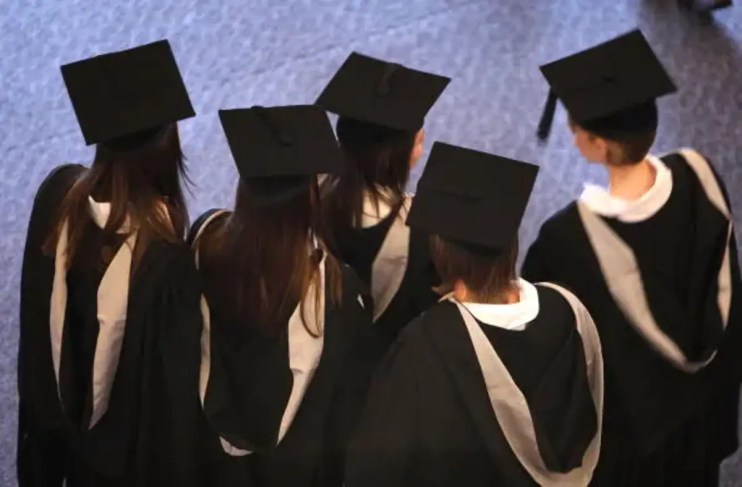
The rising costs of higher education—tuition fees and living expenses—have placed an enormous burden on parents, many are asking if it’s worth it, says Eliza Filby
Like many parents I’m counting down the days to term time, but this year there’s a poignancy with our youngest starting school. As I prepare to wave her off at the gates, I wonder how different her educational journey will be to mine. As students embark on the new university term, we are starting to see cracks in the long-held belief that schooling inevitably leads to university and subsequent success. One survey found that only 12 per cent of millennial parents want their child to attend university. The generation that served as guinea pigs in the tertiary education revolution are now seriously questioning it for their kids.
Gen Z is already voting with their feet. University applications are down for the second year in a row, but more telling is the decline in students studying away from home (arguably the whole point of going), the rise in apprenticeship degrees (now harder to get into than Oxbridge), and the shift from humanities to more career-focused subjects. Debt swelled from £2.3bn to £4.8bn between 2022-2023, while the graduate premium has stalled or even declined in some fields. As anyone under 45 can attest, the cost of a degree has gone up just as the value of one has gone down. It’s become an expensive but necessary qualification for certain jobs.
This feels worlds apart from 1999, when I was applying. I was the first in my family to get a degree, but it felt inevitable. That was the year Tony Blair pledged to get 50 per cent of school leavers into university. It made sense; in a knowledge economy, we needed knowledge workers. The push to send as many students as possible to university ignited an educational culture that made university entrance the benchmark of good parenting and schooling. This belief in a meritocratic system created a qualifications conveyor belt, which offered little alternative for those who didn’t fit the model. Housing, the job market and even childhood became centred around exam results and achievement, fuelling a billion-pound private tutoring industry.
The consistent winners of this system were girls, who have outnumbered boys on campus for the last quarter-century. In subjects like law, medicine, and veterinary medicine, women now outnumber men 2:1. Mary Curnock Cook, the former head of UCAS, predicted that a girl born today will be 75 per cent more likely to attend university than her male peers. Any examination of the modern crisis of masculinity must address a cut-throat system that is seemingly failing boys even as it elevates girls.
Students became customers, and so did parents. I recall the university open days I oversaw as an academic; they were often geared more toward the parents, who revered these institutions, than the students, who perhaps sensed the show wasn’t for them. There is now a creeping sense of buyer’s remorse from both. In 2023, it was calculated that graduates earned £3,000 less in real terms than they had eight years earlier—a clear sign of the shrinking return on investment for all that hard work and sacrifice.
The rising costs of higher education—tuition fees and living expenses—have placed an enormous burden on parents. Without support from the bank of Mum and Dad, students must work during their studies and graduate with more debt, effectively paying more for the same degree.
When I interviewed young people for my book, most agreed their degree had been worth it, but their disillusionment was palpable. It wasn’t the debt; many didn’t expect to repay it and hoped for some form of state forgiveness. They weren’t edusceptics complaining about Mickey Mouse degrees, but for them, the assessment was clear: they associated educational achievement with mounting pressure, insurmountable costs, and a social divide dictated by family wealth rather than merit. Growing up with democratised digital knowledge, stagnant wages, and the rise of “drop-out” entrepreneur stars like Steven Bartlett or Mark Zuckerberg has shown them that education isn’t the only path to success.
Older millennials like me faced cheaper tuition but graduated in the aftermath of the 2008 financial crisis, realising our degrees wouldn’t take us as far as we had hoped. Many of us are determined not to impose the same rigid educational path on our children—57 per cent feel that schools are not preparing children to be future citizens.
Historian Peter Mandler observed that while most baby boomers’ parents didn’t attend secondary school, nearly half of their children have continued beyond 18. That leap in educational status across generations is extraordinary. But 21st-century parents face a new reality—where life-long learning, rather than one degree with life-long debt, may be the key to preparing our children for a rapidly changing world.
Dr Eliza Filby is a generations expert. Her new book, Inheritocracy, is out in September