Yes, we should be building more tall buildings in London

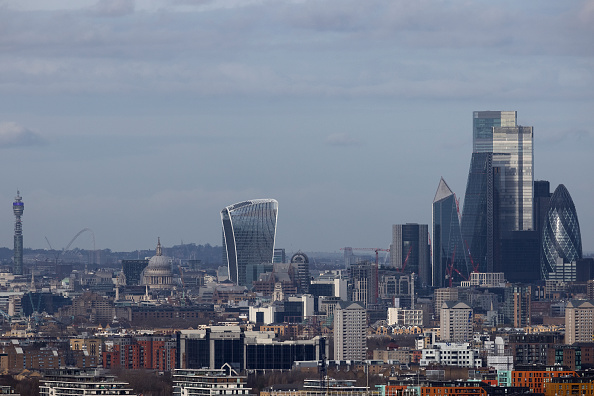
There’s no point opposing tall buildings for a place like London if we want people to move here and grow the city, writes Akhila Jayaram
London accounts for 24 per cent of the UK’s economic output, with a rate of job growth rapidly beyond the rest of the UK. Naturally, many young professionals look to move to the capital to better their career prospects. When they arrive, they are faced with soaring rents, sometimes as much as 60 per cent of their monthly earnings.
Despite this crisis, opposition to practically any new building or development project persists. Objections vary from the buildings being “too tall”, out of character, or even just being in the “wrong” area. This form of continuous opposition is forcing young people to live farther away and wait a very long time to get on the housing ladder, if they ever do, leading to a feeling of unfairness on behalf of their entire generation.
Often, those who are in opposition to tower blocks ignore that construction brings prosperity. With every new investment, the surrounding area develops. An example of this is Canary Wharf, which has breathed a new lease of life into East London. The development has brought with it new restaurants, music and entertainment venues, not to mention jobs for local residents. Young professionals have contributed to this to a large extent, by virtue of living and working in the area.
One of the newer proposed tower blocks proposed is close to Liverpool Street station, which already houses tall buildings. The argument against it is that it will impede views of St. Paul’s. But what about impeding regeneration by not building it? Tradition and heritage are to be respected, but there comes a time when one needs to be pragmatic. When such a large proportion of young people are being priced out of London, it becomes necessary to re-examine our priorities.
This is not to say we should accept brutalist or glass-panelled buildings as the norm. Plenty of projects propose gentle density as a solution to the housing shortage and objections from local communities. Those proposals attempt to emulate the beautiful designs seen in cities across Europe, along with a focus on sustainability. Why can’t we apply those same principles to the proposed tower blocks? We get to keep aesthetic facades in line with surrounding architecture, but simply go a few levels higher in areas that really need them.
The return to face-to-face working post-pandemic also has an impact. Financial services and law firms, major employers in the City, are tweaking their flexible working policies as the purse strings tighten. London is positioning itself as a hub for entrepreneurship in sectors such as AI and biotech, with a £100m AI fund launched in April and ChatGPT creators OpenAI choosing London as the destination for their first international expansion.
For these start-ups to thrive, we need both office and lab spaces. Building at higher levels in London can help provide this much needed space. London is the perfect place to do this. In which other city can you have access to VC funds, top universities and research institutes, lawyers and bankers in such close proximity to each other? We should be taking advantage of the dynamic nature of London to grow the UK economy, and right now building residential and office spaces is perhaps the biggest obstacle to that.
The UK has had a rough few years economically, as have most major Western democracies, but we set ourselves back further through our inability to build. The never-ending debate around reasons not to build will lead to lost opportunities – not just in immediate financial terms, but also young talent who will take their ideas, energy and future earnings with them.