Skip to content
Friday 14 August 2026London --:--Frankfurt --:--Zurich --:--
NewslettersSearchEN · DE
MorningWire

European business, markets and politics

FTSE 100
10,773.23
+0.01%
DAX
26,463.32
+0.62%
CAC 40
8,650.33
0.00%
STOXX 50
6,558.19
+0.19%
  • Europe
  • Markets
  • Business
  • Economy
  • Technology
  • Politics
  • Opinion
More
GermanyFranceBankingAIEnergyFintechPropertyCapital Markets
  • Germany
  • France
  • Europe
  • Markets
  • Business
  • Economy
  • Technology
  • Politics
  • Opinion
  • DE
Friday 24 August 2018 9:00 am  |  Updated:  Friday 24 May 2019 7:46 pm

Don’t let the migration target millstone drag back the British economy

By: Jasper Jolly

Add as a preferred source on Google

Missed targets are often cause for concern and embarrassment for the ministers involved. In the case of immigration, however, it should be celebrated.

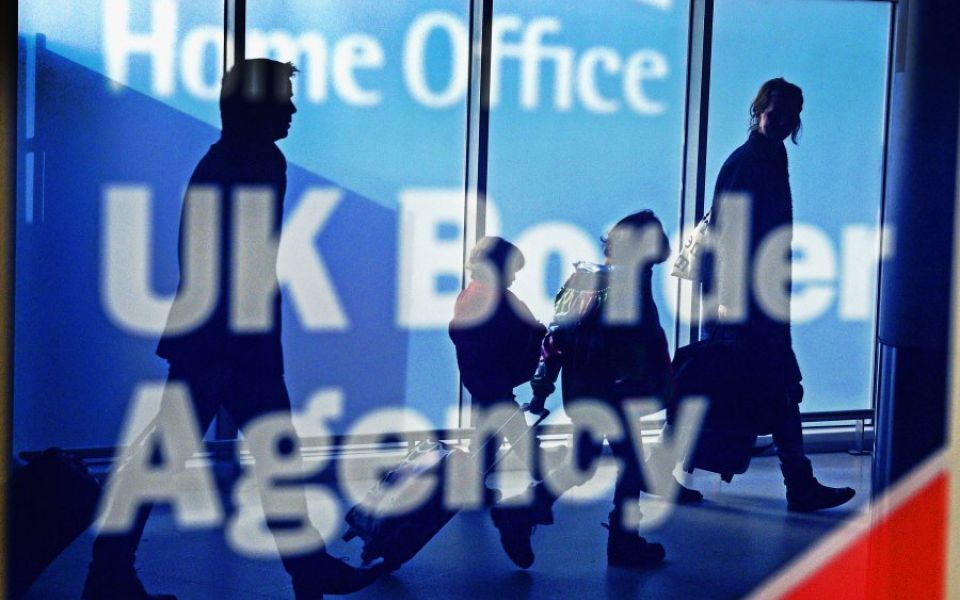
Net immigration from the EU has fallen to its lowest level in more than five years, at 87,000 in the year to March, the Office for National Statistics said yesterday. Yet a rising number of non-EU migrants means net migration remains almost three times above the upper range of the government’s arbitrary target of reducing numbers to the “tens of thousands”.

The discomfort within the Cabinet is increasingly clear. Sajid Javid, with his liberal instincts, was an unlikely choice to to serve as Home Secretary in a May government, but his particular distaste for limiting immigration is clear from the grimace whenever “tens of thousands” is mentioned in his vicinity. Liam Fox, meanwhile, says it will be reviewed after Brexit.

If the government has backed itself into a corner, it may be offered a back door out by an independent review of the economic impact of migration. We know what any review will find. The overwhelming weight of evidence suggests that immigrants provide a net benefit to the economy. Immigrants are workers; immigrants are the bearers of skills and knowledge from abroad; immigrants are taxpayers; immigrants are the creators of extra demand in the economy.

Much of the government’s current predicament can be traced back to May’s predecessor, David Cameron. He signed up to the “tens of thousands” target despite knowing that it would be harmful to the economy if achieved. The thing is, he never intended to meet it. However, his political game-playing legitimised the arguments of those who do seek to limit immigration.

There may be localised cases where migration has had a negative effect on wages or public services (although this is contested), but this is a failure of government distribution of spending, not an inevitable consequence of immigration.

Meanwhile, unemployment is at four-decade lows and businesses are hoarse from their warnings of skills shortages. As our feature on London's booming tech sector today makes clear, firms look with horror at the idea of further restrictions on bringing workers in from abroad when there are roles to fill.

It has been a drumbeat from business for years: immigration is not a zero sum game, and we can all benefit if it is handled properly. Yet it bears repeating, not least because the government is showing signs of a welcome u-turn: removing the immigration target would be a triumph of good policy. The “tens of thousands” target has been a millstone around the neck of the Tories since it was made official government policy almost by accident. Drop it before it drags back the economy.


Share this article

  • Facebook
  • X
  • LinkedIn
  • WhatsApp
  • Email

Similarly tagged content:

Sections

  • Markets & Economics
  • News

Categories

  • Business
  • Economics

Trending Articles

  • Revolut takes flight with launch of new airport lounges

  • It’s not just Jason Arday, most of sociology is a scam

  • IT consultant ordered to pay £50,000 after being accused of stealing Soho House members’ personal details

  • Grandparents fund university degrees to avoid inheritance tax net

  • Five-star Mayfair hotel hit with HMRC winding-up petition

More from Morning Wire

  • Serco chief hits back at New Statesman’s outsourcing jibes

    Politics
    New Statesman magazine cover, How Britain Lost Control, with a crowned lion held by a hand, over a city skyline.
  • Starmer took sport freebies worth tens of thousands of pounds while PM

    Sport Business
    Getty Images logo on a digital screen, symbolizing media content and stock photography for news and business platforms
  • AI Minister: Visa reform key to keeping tech giants in Britain

    AI
    Kanishka Narayan, prominent figure in the news, engaging in a public event or discussion, showcasing leadership and influe...
  • Investor visa proposed by Labour-aligned think tank

    Politics
    Skyline of Canada with iconic financial district buildings, highlighting UK investments and economic growth.
  • Going on holiday as Prime Minister comes at a cost

    Opinion
    Andy Burnham smiling and holding a pint of beer and a smartphone in a pub setting
  • The greatest comms challenge facing business leaders today

    Opinion
    Person holding a megaphone, emphasizing a key announcement in a general news article on a business website.
  • AI reduces founders’ need for capital, says Revolut Business

    Tech
    Canada skyline featuring iconic skyscrapers and modern architecture against a clear blue sky
  • Record Interactive Investor inflows drives profit rise at Aberdeen

    Markets
    Hands holding a smartphone displaying a trading platform with cryptocurrency charts and buy/sell buttons, a blurred monito...
MorningWire

Independent European business, markets and political news for decision-makers.

Morning Briefing

Europe

  • Germany
  • France
  • Europe
  • UK & Ireland

Business

  • Markets
  • Banking
  • Technology
  • Energy
  • Property
  • Fintech

Editorial

  • Opinion
  • Editorial Policy
  • Corrections
  • Contact

Company

  • About Morning Wire
  • Privacy Policy
  • Terms of Use
  • Cookie Policy
© 2026 Morning Wire Ltd · Published by Morning Wire Media, Bahnhofstrasse 65, 8001 Zürich, Switzerland
Privacy · Terms · Cookies · Facebook