£330 pay boost for 30m Brits as National Insurance threshold will rise to £12,570 from tomorrow

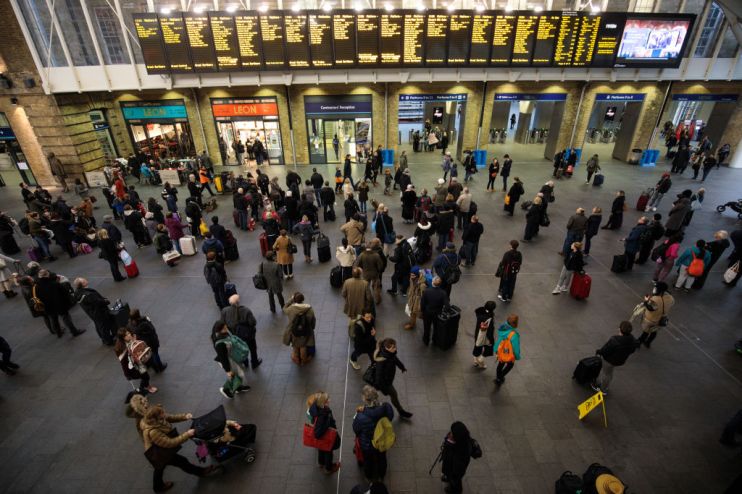
Millions of Brits will get a modest boost in their pay packets this month as they grapple with surging living costs, because – from tomorrow – the threshold at which people pay National Insurance (NI) will increase.
The UK Government has previously said this will benefit nearly 30m working people with a typical employee saving over £330 in the year from July.
The move follows a controversial 1.25 percentage point increase in NI in April, to help pay for health and social care, which came amid a string of other bill hikes, including a jump in the energy price gap.
NI starting thresholds will rise from £9,880 to £12,570 from July 6.
Seven in 10 (70 per cent) workers who pay National Insurance contributions (NICs) will pay less, even after accounting for the health and social care levy, the Government said previously.
Of those who benefit from the threshold increase, 2.2m people will be taken out of paying NICs altogether, it added.
Alice Haine, personal finance analyst at investment platform Bestinvest, said a £330 saving “won’t stretch far when you realise that only equates to £27.50 a month”.
She continued: “Yes, every penny counts in this cost-of-living crisis and for some, that £27.50 could be the difference between having dinner every night and sometimes going without.
“For others, however, that amount will barely make a dent in their budgets as they struggle to pay the household bills amid rampant inflation as soaring food, fuel and energy prices become the norm.”
Ms Haine added: “All of this is set against a backdrop of falling real wages where runaway inflation is eroding any pay uplift workers receive, so any saving will quickly be swallowed up.
“Delve deeper in the NI figures, and the saving made in July on NI is actually not that great if you go back in time a little.”
Alice Haine
“This is because the threshold at which NI kicks in had already increased in April, going from £9,568 to £9,880, with the main rate for employees rising to 13.25% from 12%, as the Government sought to bolster the NHS and social care by introducing a 1.25 percentage point health and social care levy.
“It means those on lower to middle incomes, earning less than around £35,000 are the biggest gainers this month, as they will see their NI bill cut by more than the amount they pay through the 1.25 percentage point levy.”
She said higher earners will still end up paying more overall.
Commentators have also recently highlighted how frozen income tax thresholds are pushing more people into paying higher tax bills, as wages rise.
Fresh HMRC figures
Figures released by HM Revenue and Customs (HMRC) last week showed nearly two million higher and additional rate taxpayers have been created in the space of three years.
Around 6.1 million taxpayers are projected to be paying income tax rates at the higher rate of 40% or the additional rate of 45% in 2022/23.
Back in 2019/20, the total number of higher rate and additional rate taxpayers combined was approaching 4.3 million.
Sarah Coles, senior personal finance analyst at Hargreaves Lansdown, said: “Unfortunately, as time goes on, the tax burden is going to grow.
“The frozen tax thresholds until 2026 mean that as wages gradually increase, the taxman is (syphoning) off more and more of your cash.”
Ms Coles added: “Any saving will be welcome right now, but it’s going to be a drop in the ocean.
“Someone paying £10 or £20 less in tax each month isn’t going to notice once they’ve factored in the rising cost of everything from energy to food and fuel.”
Inflation is expected to top 10% in the months ahead, exerting further pressure on households.
Laura Suter, head of personal finance at AJ Bell, said: “Much of the population will still be paying higher taxes.”
Analysis by AJ Bell suggests that in the current tax year, people earning around £31,500 or less will be better off under the new system, to varying degrees, although the lowest earners may not have met the threshold for paying NI in any case.
Myron Jobson, senior personal finance analyst, interactive investor, said: “Squeezes to various tax-free allowances and thresholds and rampant inflation are a toxic combination that is set obliterate the benefit of a higher NI threshold and erode our pay packets in the coming years.
“The effect of the freeze is now far harsher than first feared, as inflation is forecast to soar to 11% this year. This leaves less money in our back pockets and makes it harder to save and invest to build wealth.”
Cost of living payments
Further support for households is also on the horizon.
More than eight million households will start to see cost-of-living payments hit their bank accounts on July 14.
From that date, a first instalment of £326 will start to be paid out to low-income households on benefits, the Department for Work and Pensions (DWP) previously announced.
The second portion of the one-off £650 payment will follow this autumn.
Pensioner households are also set to receive an extra £300 to help cover the rising cost of energy this winter, while people on disability benefits will receive an extra £150 payment in September.
From October, households will have £400 taken off energy bills.