A bird? A plane? It’s time to turn to railways to solve fraught supply chains

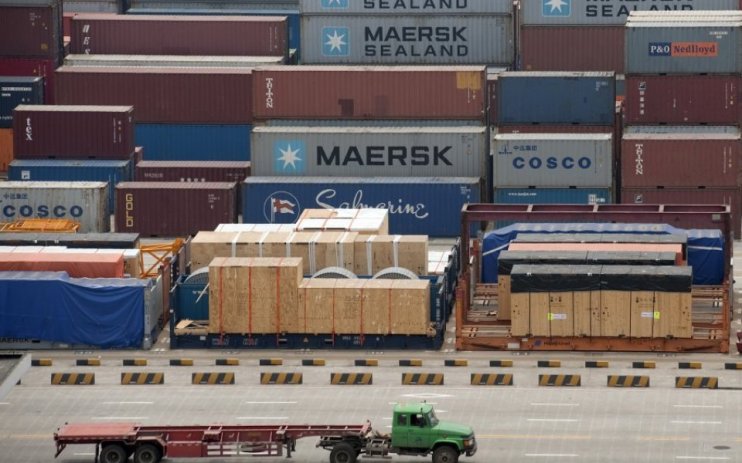
Last month, shipping giant Maersk was forced to divert container ships from Felixstowe because of backlogs caused by the HGV driver shortage. It reignited fierce debates around Brexit, Covid and other woes. But the truth is Britain’s freight infrastructure has long faced such problems – and this was just another symptom of a wider malaise.
True, the combination of a creaking legacy freight system, some unique challenges, and once-in-a-generation supply-chain issues created a perfect storm. But a reckoning was always coming. At the same time, increasingly-louder questions have been asked as to how we can decarbonise transport – with freight making up a significant proportion of all emissions.
It is not just a supply-chain problem.
One UK-specific challenge is that shorter distances than other countries have historically meant road freight is the more economic option. But this takes an environmental toll. Road freight creates 12.1m tonnes of CO2 per year and is responsible for over 16 per cent of all transport emissions. Any programme to decarbonise transport must include reducing road-use volumes. Reducing road freight could make a serious difference.
The good news is there is momentum to change – on many fronts. First, the logistics landscape is changing. The steady growth in e-commerce, sharply accelerated during the pandemic, has meant Fast Moving Consumer Goods (FMCG) and just-in-time management suppliers are now aiming to move away from the old paradigm of massive centralised distribution, and towards a “port-to-shop” mentality. This means containers packed with destination in mind, rather than stocked by type of good.
To service this, they are pushing for more regional distribution hubs, and heavier reliance on sea, rail and Electric Vehicle logistics.
If those regional hubs were rail-linked, some of the historic reliance on road freight could be avoided. This would be good news across the board, as rail offers tremendous scale advantages. One freight train carries, on average, the equivalent of 76 HGVs. Factor in the growth in electric rail and the advantages are exponential. Not only do electric trains emit a lot less, they are around seven times more reliable than diesel ones. At a stroke, freight would be leaner and greener.
Integrating rail with shipping is equally important. With eight new freeports, there is a clear opportunity to ensure all are integrated with end-to-end rail freight paths. Although all of the winning sites have some degree of existing road and rail connectivity, and three – Felixstowe and Harwich, Thames, and Tilbury – have committed to more rail development, on the Northern sites there is much more room for development.
In order to maximise the effects of the freeports – including their economic benefits in attracting trade and investment into the north of England, a key part of the “levelling up” agenda – it is critical rail connections are fast and efficient.
The difficulties with overhauling large amounts of infrastructure are well-known.
It requires multi-billion pound investment, and is rife with challenges in terms of legislative and regulatory hurdles. There is the sheer organisation required to bring together all of the players – operators, suppliers, landlords and others – who need to work in concert in order to make such plans work. There are billions of pounds waiting in the wings from investors – watching which way the government jumps before committing themselves.
But we have to ask ourselves; if not now, when? There has never been more appetite for meaningful change. The increased focus on decarbonisation demands bold action across many fronts.
The transformed commercial environment requires new ways of shipping goods that can meet evolving customer needs. And the government’s commitment to investing in Britain’s future right across the nation means the time is ripe for large-scale transformative projects if the benefits can be demonstrated.
The government has a once-in-a-lifetime opportunity to overhaul Britain’s freight infrastructure in ways that are more economic, more efficient and environmentally improved. With many in the transport sector still holding their breath for the Integrated Rail Plan promised this Autumn and now delayed, there has never been a better time to demonstrate a commitment to doing things a different way.
If we delay too long, the public will for change may wither – and the government may find that this ship, too, has sailed.