A Covid-19 inquiry longer than the pandemic is almost certain to teach us little

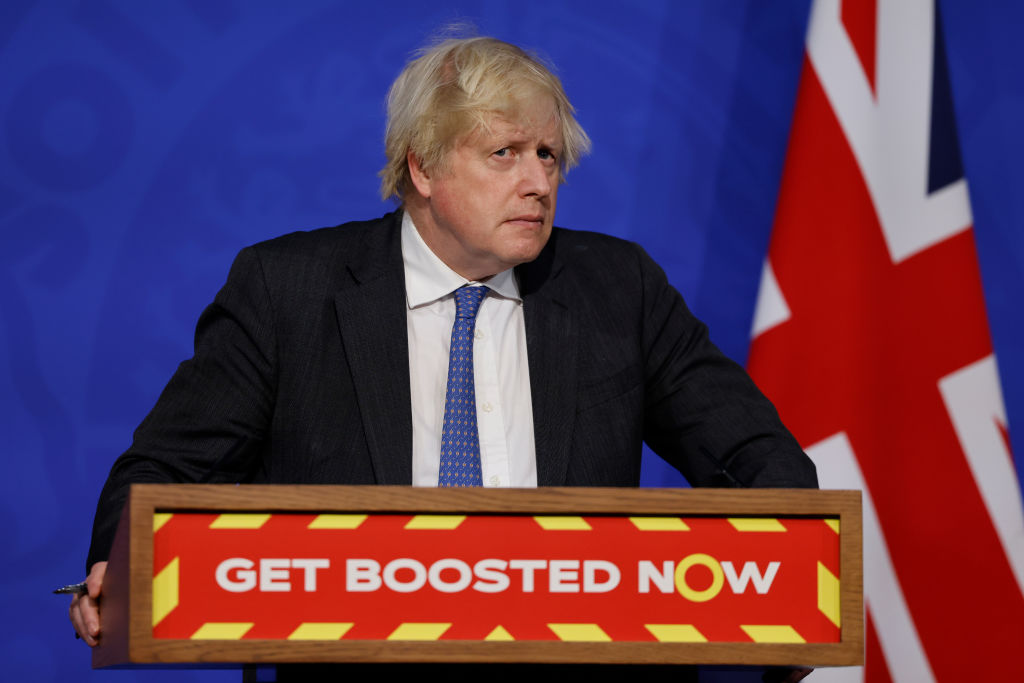
A parliamentary inquiry into the pandemic is set to look at everything from the policy of austerity to Boris Johnson’s WhatsApps, but it is possible to be too thorough and entirely miss the point, writes Chris Hirst.
There is a wonderful scene in Armando Iannucci’s The Thick of It where the hapless minister, Hugh Abbott, is caught by the press dissembling about the sale of a second home. We watch as he waits anxiously in a broom cupboard in Downing Street for word of his fate. At length, he’s told that the PM has decided, rather than sack him, there will be a public inquiry – news greeted by Abbott and his team with whoops of joy; the whole sorry story is to be kicked into the long grass and, we presume, left there to naturally decay.
This is an all-too familiar story, and as the gears of the government’s Covid-19 inquiry continue to grind, it is hard to conclude it doesn’t face a similar fate.
Many people died as a result of the pandemic, often in especially distressing circumstances, huge amounts of the nation’s wealth was spent to get us through and many of our institutions remain damaged by its consequences. Short of war, it’s hard to imagine an equivalent. An understanding of the country’s preparations and response is of the greatest consequence. Even more importantly, clear unambiguous recommendations should be made, and implemented, to ensure we do better next time; an observation so obvious it hardly needs making.
Baroness Hallett’s Covid enquiry is estimated to last around four years, having already taken a year (at least) longer than it needed to get started. In total it will take twice as long as the pandemic and about five times as long as the production, testing, manufacture and supply of the first vaccines. Urgency, it seems, has no role to play. It is difficult to believe a process of such sloth will result in action and improvement. Indeed, to believe that is even its overriding priority.
The logic is, presumably, that they must be thorough, everybody must be spoken to, all opinions heard, every avenue thoroughly explored. Who could possibly criticise being thorough?
Colin Powell, the US General and statesman once said, don’t take action if you only have enough information to give you a less than 40 per cent chance of being right, but if you’ve waited until you’re more than 70 per cent certain, you’ve waited too long. People and politicians have short memories. Already the pandemic feels an age ago, fresh crises have come and gone, many more will emerge. By 2027 we’ll be nearing the end of a new parliament, the majority of ministers and officials are already no longer in post, many will no longer even be MPs. It may be satisfying to berate them from a position of hindsight, but it will do almost nothing to help us be better. And being better next time is the most important role the inquiry can play.
The process seems designed by lawyers rather than leaders; focused on quantity rather than action. And it is action we need. The lethargy of the process will inevitably translate to lethargy of implementation. By 2027 the moment will have passed. The report will be huge, thorough, erudite, studious, legally secure and yet by then almost entirely ineffective against its most important task.
Effective organisations don’t avoid failure: imperfection is inevitable. Rather they learn from it – and consequently are better next time. A learning process that lasts half a decade cannot be effective. The inquiry’s duration is a sign that its design is a subterfuge for inaction. It should proceed at the pace of a well-run boardroom, not that of a courtroom.
Society, if not the government, may feel they would like to apportion blame, but we must not conflate that with being better next time. Conclusions delivered in the 40 – 70 zone will be prompt enough to have a chance of being enacted. Conclusions that are “right”, but that lack proximity and urgency will make no difference at all.