A tale of two industries: Government will regret saving steel over Britishvolt

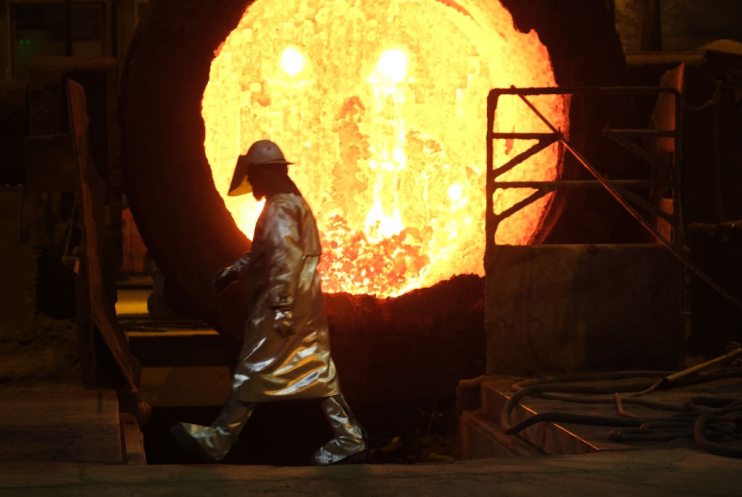
It was the best of times and it was the worst of times, it was the age of Kwarteng and levelling up slogans, it was the age of having cake and eating it…
Britishvolt was the brainchild of two dreamers, Swedish entrepreneurs Orral Nadjari and Lars Carlstrom who founded the battery start-up in 2019.
Neither had experience in electric vehicles (EVs), but both embraced the ‘go for growth’ approach of nascent technology businesses, amassing nearly £2bn in funding promises over just three years.
Its war chest included £100m from the government to help finance a £3.8bn gigafactory in Blyth, Northumberland – with Britishvolt aiming to produce hundreds of thousands of lithium-ion batteries every year, while supporting 8,000 jobs for a burgeoning British motor sector.
The company even secured memorandums of understanding with Aston Martin and Lotus last year to build batteries for their new EVs.
Currently, the UK has one Chinese-owned plant next to the Nissan factory in Sunderland, while 35 plants are planned or under construction within the European Union.
Meanwhile, China dominates the battery sector – which is home to six of the top 10 battery companies, and producing 77 per cent of total production capacity.
Kwasi Kwarteng argued the site would “turbocharge” the UK’s plans to “embed a globally competitive electric vehicle supply chain in the UK.”
If the UK could become a mass producer of batteries, this would help Downing Street reach its targets of no new petrol, diesel and hybrid car sales by 2035 and net zero carbon emissions by 2050.
Britishvolt’s factory could also have enlivened the North East’s flagging post-industrial economy, and also reduce the UK’s reliance on overseas partners to prop up its green ambitions.
When it was in talks over funding for the gigafactory last July, former Business Secretary Kwasi Kwarteng argued the site would “turbocharge” the UK’s plans to “embed a globally competitive EV supply chain in the UK.”
He argued it was “fantastic to see how the project is progressing.”
Once funding was unveiled last summer, then Prime Minister Boris Johnson later described the gigafactory as “a strong testament to the skilled workers of the North East and the UK’s place at the helm of the global green industrial revolution.”
Fast forward seven months and Britishvolt has collapsed into administration – with the majority of its 232 staff losing their jobs.
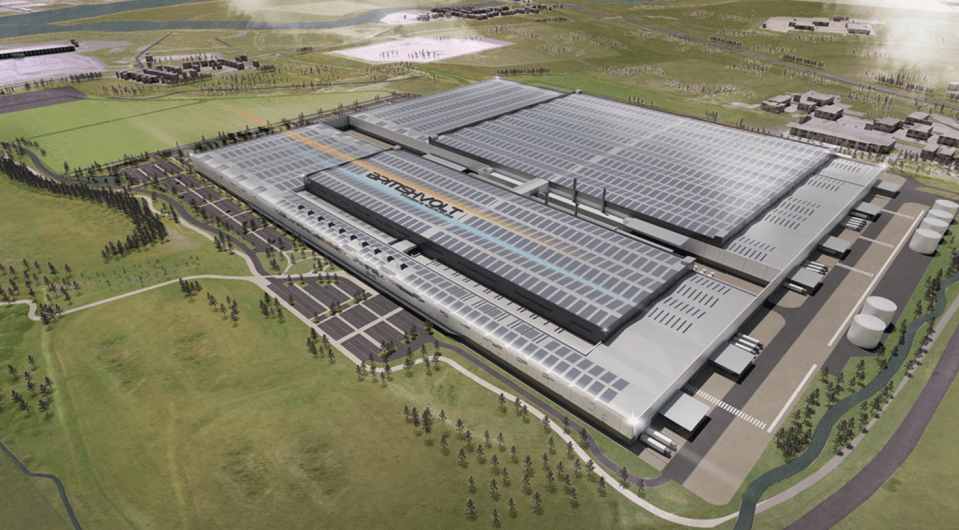
Steel sector backed as Britishvolt collapses
The UK’s answer to Tesla found itself struggling for funds to continue construction of its gigafactory.
The government rejected its plea last November for a £30m advance in financial support until it achieved construction milestones, catching the embattled company between two stalls – needing funds to progress, but unable to gain funds without progression.
After failing to reach any last-ditch deals with suitors, it has fallen into administration with its assets up for sale.
Its fate contrasts sharply to the latest last-ditch funding support for the embattled British Steel – the UK’s second largest steel producer.
The Treasury is set to unveil a £300m aid package for the company, as first reported by Sky News, with strings attached around concerning its carbon footprint and its Chinese owner Jingye Group investing £1bn over the current decade.
The money is expected to be used to replace British Steel’s blast furnaces at its Scunthorpe site with a greener electric arc furnace.
Nevertheless, this means Downing Street is effectively subsidising a Chinese company to continue steel production.
Considering the funding is to ensure the UK retains sovereignty over a strategic asset, this reflects a continued lack of coherence in the country’s industrial policies.
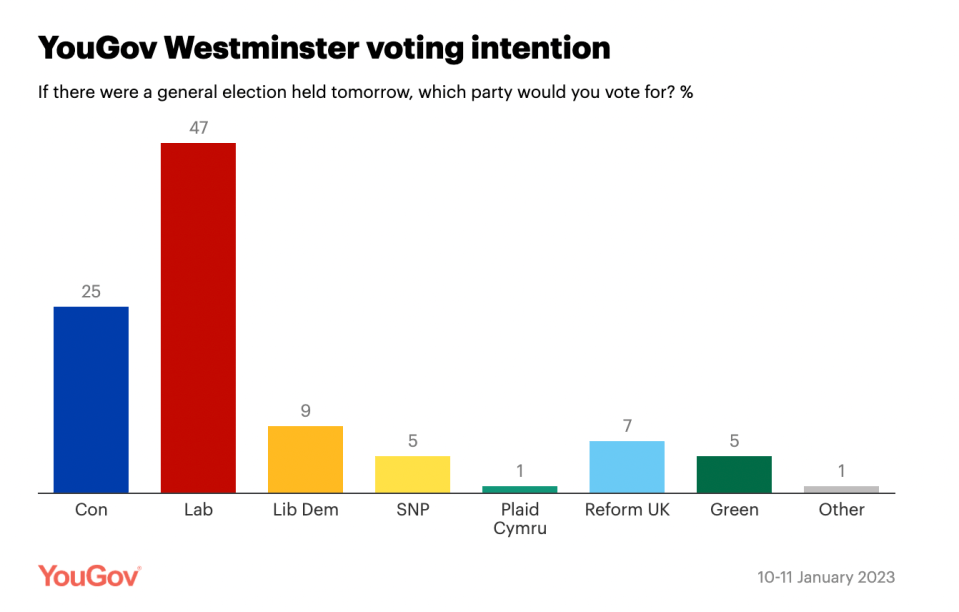
It is also, presumably, motivated by a desire to save 4,000 jobs in key Red Wall seats – with the Tories over 20 points behind in the polls.
Producing steel domestically has been a persistent problem for the UK – worsened recently by ultra-high energy prices eating into margins, while cheaper labour and subsidises has enabled China to flood global markets with its own steel supplies for decades.
British Steel is not the only steel producer in trouble, as rival Tata Steel has also requested support from the government in the past year.
If Britishvolt’s collapse is raising questions around the UK’s viability as an EV powerhouse, then surely the same questions can be asked of the steel sector?
If Britishvolt’s collapse is raising questions around the UK’s viability as an EV powerhouse, then surely the same questions can be asked of the steel sector?
There is a perfectly fair argument that the government should not be supporting either, with businesses needing to be credible market players before expecting taxpayer support.
Certainly, there is a case for reforming industry conditions to allow a raft of competitors to fight for market share, rather than picking winners.
But, if the government is going to back steel as a strategic asset, then the same case can certainly be made for Britishvolt.
Frankly – if the government only had sufficient resources to revive one industry, then selecting the beleaguered steel sector with a track record of failure over the potential face of the green energy sector could be one Downing Street comes to regret.