Ads might be annoying, but influencers are riskier: advertisers face a dilemma

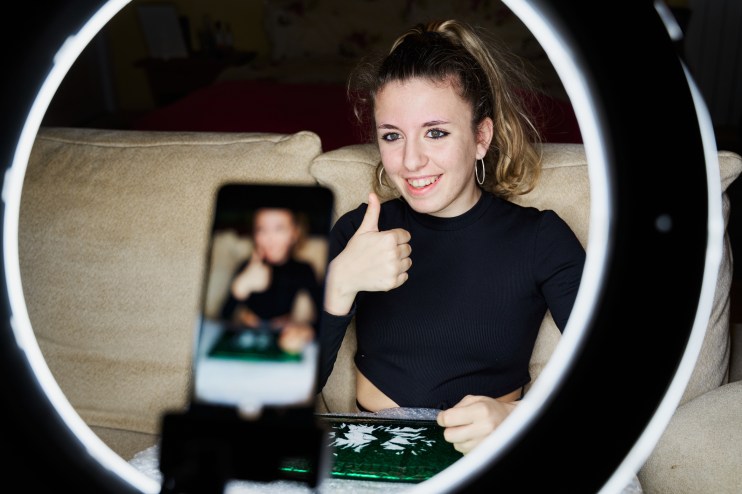
Tiktok used to be funny. You could happily scroll in safe knowledge that the algorithm gods would sooner or later bless you with entertaining content. Now, a quick market study has revealed, you are lucky to get three Tiktoks deep without being confronted with an ad, or worse, a “commission paid”.
These latter offenders are usually videos of influencers showing off a product they claim they are “obsessed” with and that has “changed their life” – and will, naturally, change yours too.
On Tiktok, these videos have a small label at the bottom which alerts the viewer that the creator has been paid to give a glowing review of said product.
Brands are increasingly paying influencers to promote their products and services through content creation. According to the Influencer Marketing Hub, 60 per cent of brands work with at least 10 influencers in campaigns and, in 2023, influencer marketing has grown into over a $21bn (£16.5bn) industry.
In some cases it has paid off. Take, for instance, the ridiculous case of the Stanley cup, which has caused absolute chaos on the internet after huge swathes of people have been ‘influenced’ to buy the glorified steel water tumbler. Some have reportedly spent hundreds on limited editions being resold online.
And beauty brand Glossier is known for using ‘micro-influencers’ – those with small, niche followings – to promote its playful products on social media. It has helped the company achieve unicorn status with a valuation of $1.8bn. Senior vice president of marketing, Kleo Mack, recently told Vogue Business her focus continues to be on building “authentic talent partnerships grounded in real-life connections and shared values.”
Firstly, a brand or business’ carefully crafted reputation is at stake – and the unforgiving wrath of social media gives little space for an easy rebuild.
To their credit, influencers are often highly committed to the cause. Just look at @InfluencersInTheWild, a particularly genius Instagram account that exposes the lengths creators will go to to get that perfect shot.
But it is a risky strategy. Firstly, a brand or business’ carefully crafted reputation is at stake – and the unforgiving wrath of social media gives little space for an easy rebuild. One financial services company recently told Morning Wire it is avoiding influencers because they are not subject to the company’s values and missions. Any controversies, scandals, or inappropriate behaviour on the part of the influencer could quickly tarnish the brand’s image.
Influencer partnership can also be exorbitant, depending on the size of an influencer’s following. Cristiano Ronaldo is said to earn in the millions for a post to his more than 600m followers.
While some brands are willing to shell out for the advertising, the return on investment is not always guaranteed. Outrageous pricing demands from influencers has left one luxury hotel chain laughing at the audacity. It regularly works with influencers but it said it has had poor experiences in the past, with some influencers taking advantage of freebies and failing to meet expectations.
Then there’s the issue of devaluation. In a Tiktok from late 2022, one creator showed a pile of Gucci Marmont handbags thrown into a pile in a high-end department store. Hardly the epitome of haute culture that Tuscan designer Guccio Gucci likely envisaged when he founded the eponymous label in 1921.
The creator said: “Displayed like this I was shocked, mostly because Gucci is a brand that’s supposed to have so much heritage and associated clout”. But her point was that influencers have challenged the brand’s perceived elite status and raised concerns about the long-term effects of quick, cheap views.
It comes as Tiktok usage is waning. New data from Sensor Tower reveals a slowdown in Tiktok’s growth. In 2022, monthly active users increased by an average of 12 per cent per quarter, but this dropped to 3 per cent per quarter in 2023, coinciding with the US launch of Tiktok Shop.
How long can the influencer ‘bubble’ last? Well, it looks unlikely to be disappearing anytime soon but bored audiences could be.