Another Goldman banker or a much needed hawkish voice: Who is Huw Pill?
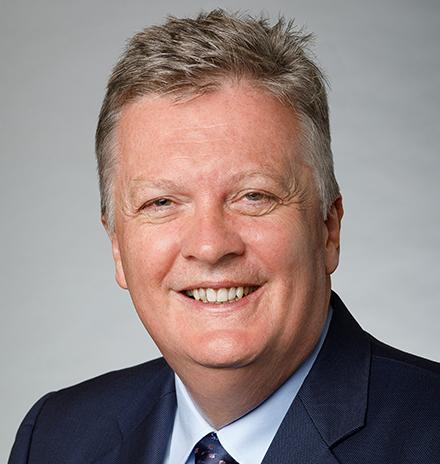
Much has been made over whether the corridors of the Bank of England will resemble a Goldman Sachs office following the appointment of Huw Pill as the Old Lady’s new chief economist.
It does follow a string of high-profile appointments at the Bank in recent years from the pool of Goldman alumni.
Mark Carney, who led the Old Lady as governor between 2013 and 2020, was also on the books of the Wall Street giant for 13 years. As was current deputy governor, Ben Broadbent, although only for 11 years. Chancellor Rishi Sunak is also ex-Goldman.
Whether that provides any clues on the underlying philosophy hidden behind Threadneedle Street’s gilded walls is for the birds
Pill, who is Welsh and 53, will take the reins of one of Bank’s most notorious roles on 6 September. He succeeds media darling Andy Haldane, who resigned his post after seven years of guiding the Bank’s analysis of the UK economy in June to head up the Royal Society of Arts.
He will also be added to the Bank’s committee of ratesetters.
So, who the pretender to Haldane’s throne? Will he be hawk or dove? Keynesian or monetarist?
CV
Pill started his career at, incidentally, the Bank of England in 1990 as an economist after finishing his undergraduate studies at the University of Oxford the year before.
He earned his doctorate in economics from Stanford University in 1995, before moving into teaching.
Pill spent three years as an Assistant Professor in Business Administration at Harvard Business School. He ventured into his first foray in central banking in 1998, landing a job heading up the European Central Bank’s strategic issues division in.
Pill lurched between academia and central banking during the first decade of the millennium, before settling at Goldman Sachs, where he was given the role as the Wall Street giant’s chief european economist between 2011 and 2018.
Policy stance
Pill has produced several papers and op-eds in the past which indicates he comes down on the hawkish side of monetary policy.
Writing for Goldman in 2016, he argued that central banks have less wiggle room to use conventional monetary policy levers to support the global economy in times of crisis due to the long-term trend of falling interest rates since the financial crisis.
“With interest rates at very low levels and the adverse side effects of unconventional measures becoming evident, now, should the economy falter, the scope for further monetary easing appears limited,” Pill wrote.
He has also criticised central banks’ decision to expand their presence in fields beyond monetary policy – citing Mark Carney’s involvement during the Brexit and Scottish Independence campaigns – a similar line reiterated by former governor of the Bank of England Mervyn King.
In his intray
Whatever his philosophy, Pill has several pressing issues to deal with from the off.
He will be involved in the Bank’s rate setting committee’s meetings on near-enough his first day.
The Monetary Policy Committee will publish the results of its next round of deliberations on 23 September, with analysts expecting rates and the pace of bond buying to stay unchanged.
Given his more hawkish position, Pill may, however, follow in Haldane’s footsteps and vote against maintaining the current structure of the Bank’s bond buying programme. He is unlikely to be the only member of the MPC to voice their concern on this though.
Inflation is the Bank’s big headache, although officials on Threadneedle Street would tell you otherwise.
The Bank, like almost all rich nations’ central banks, are certain the recent spate of price hikes will be transitory. Towing that line may grind against Pill’s relatively restrictive monetary policy values.
Pill may need to alter his opinion on the degree of influence central banks should exert on issues outside monetary policy given governor Andrew Bailey’s commitment to improving diversity and environmental sustainability at the institution.
Establishing a strong media presence in a bid to convince onlookers the Bank is an institution that is alive to new social and environmental values, and its role within the prism of these new attitudes, was something his predecessor was acutely aware of.
As Rachel Oliver from Positive Money stressed: “Pill must think about how he can serve the whole of society… We hope he follows Andy Haldane’s footsteps in promoting different perspectives and opening the Bank up to new thinking.”