Anti-protests laws and voter ID are a sure way to disillusion young Britons
Protesting is a great way for young people to engage with democracy. If you take that right away, while making it harder for them to vote, you end up with youth disengagement, write Alastair Campbell and Maddie Smith
As President Joe Biden said in his State of the Union speech, and as so many have been warning for some time, the new world order is being defined by a battle between democracy and autocracy, authoritarianism and even fascism. Those of us lucky enough to live on the democratic side of the divide need to do everything we can to stay there, including making sure the future of free and fair elections is guaranteed.
Recently, we’ve seen the UK government put a series of knee-jerk clauses into place, ostensibly to protect public peace and integrity and improve the lives of British people. However, this has done the opposite. It has removed one of the few key things Britain stands on: freedom of speech. And this is worrying.
The introduction of both the Elections Bill and the Public Order Bill are just some of the disturbing laws put in place that risk silencing our civil liberties and disengaging young people.
The elections bill was trumpeted as an attempt to reduce voter fraud and strengthen the electoral system. This is in spite of the virtually non-existent problem of voter impersonation. And looking closer, it’s clear the rules have been designed in a way that – intentionally or otherwise – locks out younger voters and risks repelling them from their right to vote.
Just before May’s local elections, research from the Body Shop and the British Youth Council found that 20 per cent of young people did not understand which forms of photo ID were acceptable. That’s 20 per cent of young people who were eligible to vote, becoming ineligible to vote overnight because of the lack of understanding about new half-baked laws. We’re seeing a level of youth disenfranchisement on a scale we haven’t seen before.
On election day, we heard instance after instance of people of all ages who were eligible to vote but unable to do so.
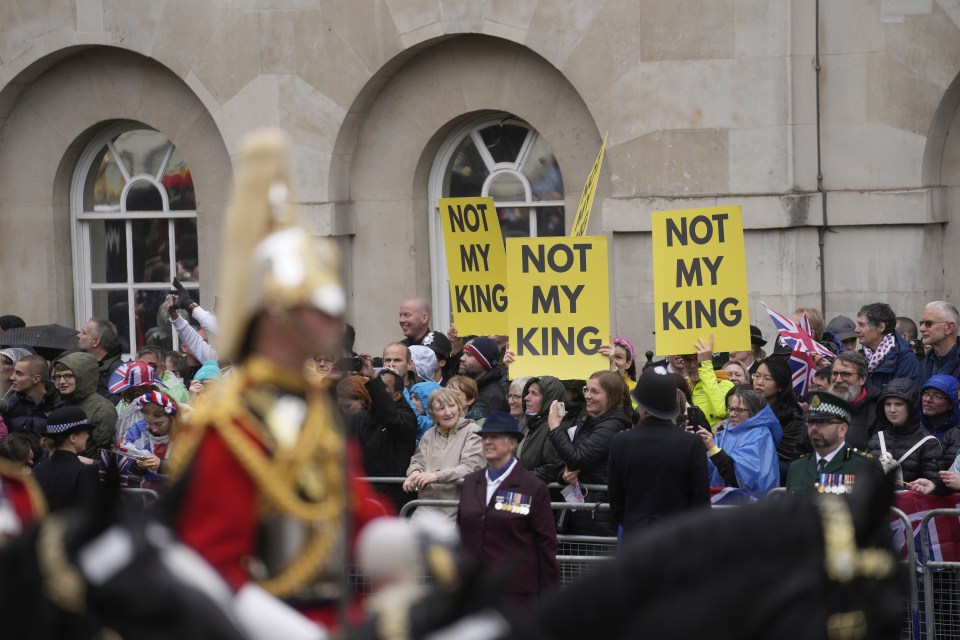
Similarly, we saw the repercussions of the Public Order Bill during the King’s Coronation: a bill the government said was introduced to promote public peace in the UK but at its essence is a scaremongering and intimidation tactic. It could end up discouraging the law-abiding majority from exercising their democratic rights.
In a study by The Body Shop and the British Youth Council, three-quarters (76 per cent) of young people said they believe that protests are an important tool within democracy. This is particularly true for young Scots (80 per cent) and Londoners (80 per cent). Throughout history, we as a nation have been able to make important issues seen and heard within the walls of Parliament thanks to protestors putting them on the public radar.
Protests are important for young people: a quarter (23 per cent) of young people in the UK told us they had attended a protest at least once, with that average increasing to 28 per cent for young people in London.
It’s not that young people don’t want to take part in politics or engage with the government, either. We have seen their willingness to engage on many issues over the past years; climate change through the School Strikes for Climate movement, the community in Peckham blocking the deportation of asylum seekers, or young women coming together to demand radical change following the murder of Sarah Everard.
Rather than alienating and repelling young people, the government should work to involve them – and bring them into democratic politics early, baking in good citizenship that lasts a generation and maintains Britain’s position as a bastion of freedom.
As democracy frays around the world and people look to the UK for stability, the introduction of these laws flies in the face of the very British sense of fair play. There’s a proverb that says a child who is not embraced by a village will burn it down to feel its warmth. The more we push the younger generation away, the more they become disenfranchised and eventually give up.
We know what the bad news is. The good news is just how many people want to take part in the democracy which makes up modern day Britain – if only we allow them to do so.