As electric cars follow the trajectory of the smartphone, software will be the turf war

When Steve Jobs launched Apple’s iPhone in January 2007, the mobile phone industry was turned on its head. At the time, Jobs described the iPhone as a “revolutionary product” and said that Apple was “reinventing the phone”. This was a rare occasion where a businessman’s hubris was justified.
With the iPhone, Apple changed the way people lived their lives. It paved the way for other mobile brands to create products based on a new way of interacting with our devices. We update our phones and our lives in parallel.
A similar transformative situation is gathering pace in the electric vehicle (EV) arena. In the UK, hybrid and plug-in EVs made up more than 10 per cent of car registrations in 2020 and demand is growing considerably with about 40 per cent of people looking to buy a new car looking at EVs, according to Statista. This boom in electric vehicles extends beyond personal ownership to vehicle hire – which always has an additional impact on the car market. The EV rental market is predicted to grow 15 per cent to be worth $19bn by 2027.
Cars, on average, have seen an eight to 10-year ownership cycle. But compare this with your mobile phone – and not only the device itself but the software running it. If your phone or laptop didn’t update its software for that long it would begin to feel archaic. This is where manufacturers of EVs should be taking note. To truly reap the possibilities of the market, their gaze should be on Silicon Valley and the mobile tech industry and away from manufacturing hubs in Detroit or Dagenham.
As the car industry moves toward electric, the software will become the crucial selling point and it will play a huge part in driver experience. Most car manufacturers are still selling EVs like a traditional car but with a battery.
While we can’t – and shouldn’t – expect car makers to push drivers to update their entire vehicles as regularly as people do their mobile phones, they can be more active in improving and updating the software supporting their vehicles more regularly. Electric vehicles are designed to be the green alternative, so increasing manufacturing, with all the associated energy consumption, would be counterproductive. While encouraging car replacement every couple of years would be at odds with the mission of carbon efficiency, upgrading the systems in order to improve drive experience should be at the forefront of the market.
There is still room for more rapid replacement and the way we buy car is changing to accommodate this. The popularity of vehicle leasing schemes and car club subscriptions, for example, has been steadily climbing. This ties in with a mindset which looks to a circular economy, where manufacturers take responsibility for the entire lifecycle of the car.
There is huge opportunity for the future of electric vehicles and the way commercial models evolve around. There is also a gap for non-traditional companies to enter motor manufacturing. The big tech players now have a chance to change the industry, by coming in with their different approach to business. Apple, Google and other tech giants have been playing around with car tech for some time but the most interesting development would be if any of these tech businesses bought an existing car brand to truly experiment and transform the sector.
Partnerships between car makers and tech giants are on the increase. Whether that is borne out of a marrying of industries or of internal development such as the proprietary AI chip developed by Tesla, the line between car maker and tech giant is becoming blurred.
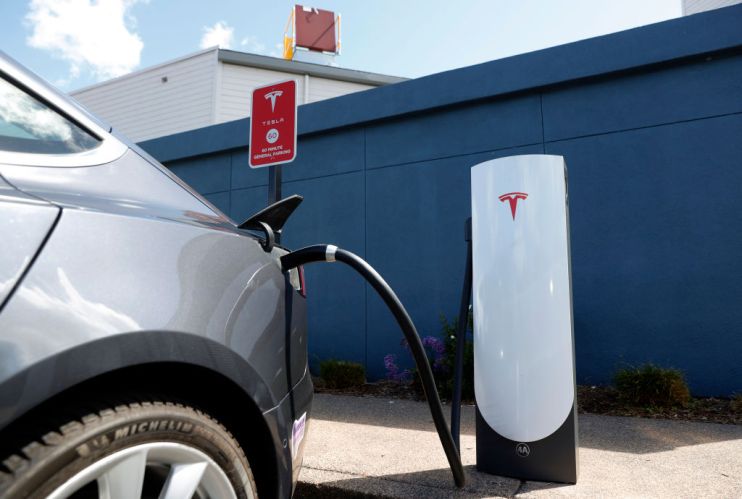
These partnerships will be needed more broadly if electric vehicles do follow the smartphone revolution. The infrastructure required to support expansion needs to be considered; where networks need mobile phone masts, vehicles will need charging points – and that means considering partnerships and agreements with energy companies, governments and local authorities.
As the automotive industry shifts from a hardware to software focus, the current manufacturers either need to radically rethink their business models or work with the tech businesses to ensure tech interfaces lead the driving experience. The future of the sector will be dominated by a new breed of car maker that is able to put connectivity, user interfaces and autonomous vehicle systems at the centre of their products.