Bailey flags inflation upside as Iran conflict pushes energy prices higher
Bank of England chief says the war in Iran adds upside risks to UK inflation and could force higher borrowing costs.
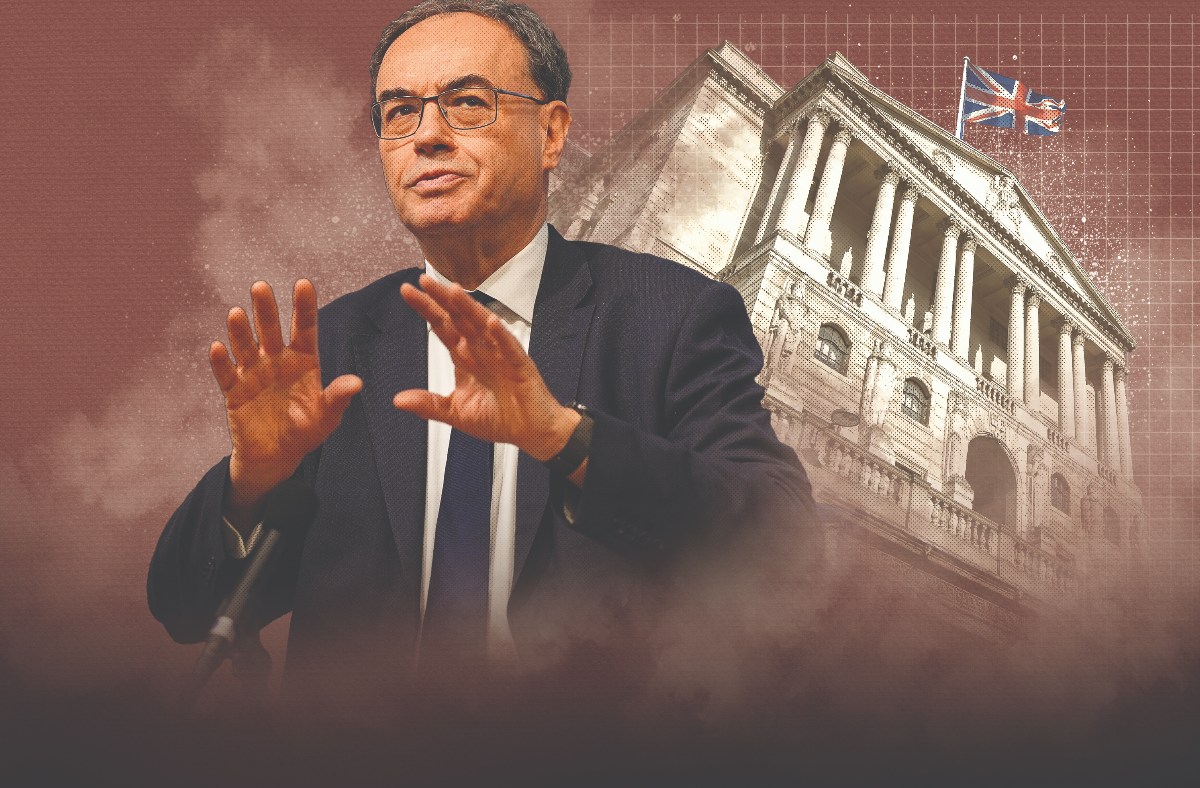
Andrew Bailey told MPs on Tuesday that inflationary pressures remain "to the upside" and that energy prices could climb further if the war in Iran drags on. His comments came after oil markets reacted sharply to a blockade of the Strait of Hormuz and attacks on Saudi Arabia refineries, sending Brent crude towards the $100‑a‑barrel mark.
Energy shock adds to inflation pressure
The conflict, which has seen the Houthi militia strike several Saudi facilities, has tightened global oil supplies and sparked volatility across energy markets. "The conflict is still going on and it is also causing a high level of energy prices and quite a bit of volatility in energy prices," Bailey said.
Implications for monetary policy
Bond markets have already priced in a premium for UK government debt, reflecting fears that inflation could breach the Bank’s 2 per cent target. Short‑term yields have risen, and traders are betting on the possibility of three rate hikes within the next year.
"Higher borrowing costs are entirely consistent with the view that the risks are on the upside here," Bailey added.
He stressed there is no secret plan to raise rates imminently, but the Monetary Policy Committee will let data dictate its next move. The upcoming BoE meeting will therefore be closely watched for any shift in guidance.
Looking ahead
If oil prices linger near $100 per barrel, the Bank’s summer forecast warned inflation could climb above 4 per cent, double its target. Persistent energy price pressure could also keep mortgage rates elevated, as highlighted in a recent piece on how lenders are bracing for a possible BoE hike (mortgage rates rise as lenders brace for possible BoE hike).
For businesses, the outlook remains mixed. While youth unemployment sits at around 16 per cent, a slowdown in the broader labour market could ease wage‑price spirals. The government’s fiscal response and any diplomatic progress in the Middle East will be key determinants of whether inflationary risks subside or intensify.