UK’s new sanctions on West Bank settlements draw sharp criticism
Labour’s announcement of trade sanctions on Israeli settlements has been denounced as symbolic and risky, prompting a diplomatic row.
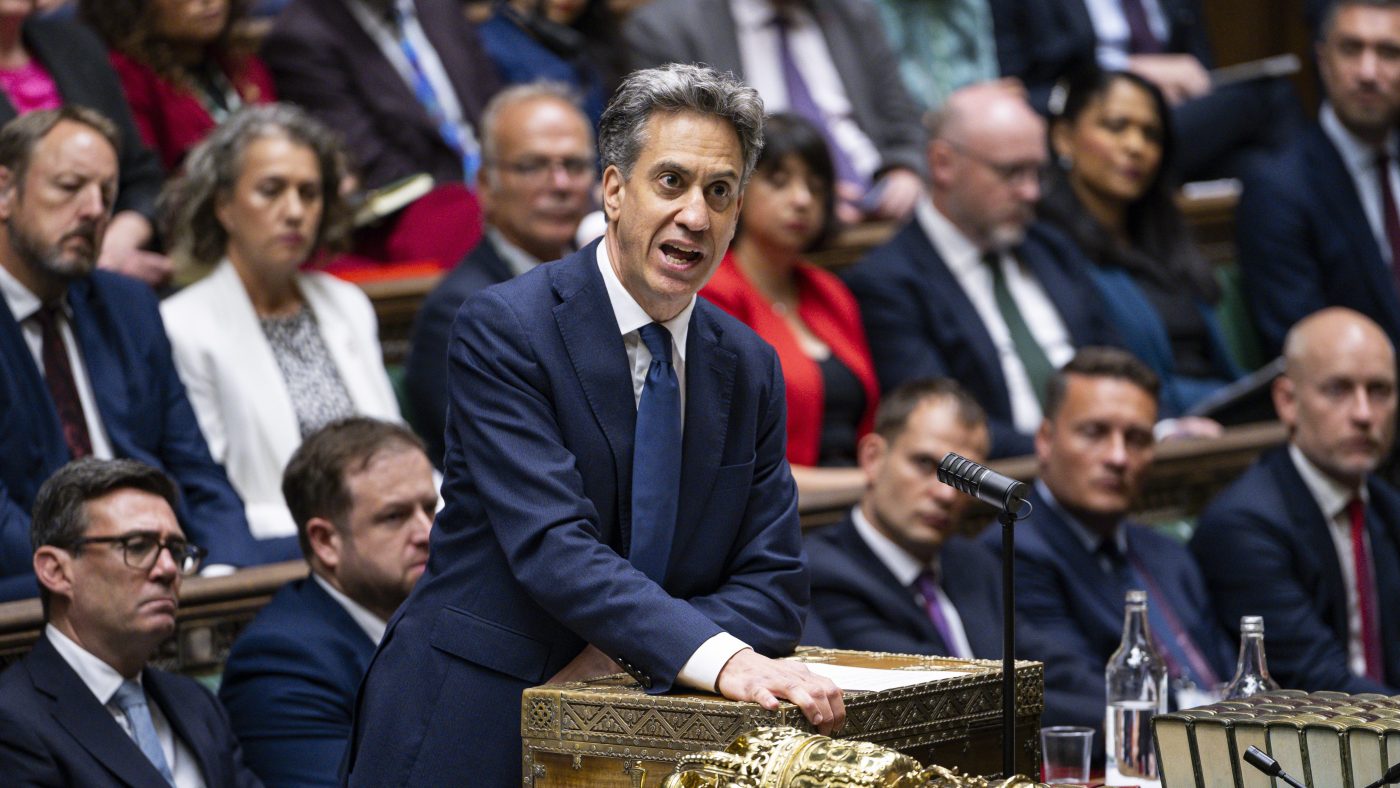
On Tuesday, the UK government announced a package of trade sanctions targeting companies and individuals that finance or develop settlements in the West Bank. The move, unveiled by Ed Miliband, follows the Labour administration’s formal recognition of a Palestinian state last year.
Why the sanctions matter
The opposition argues the measures could damage Britain’s standing abroad and inflame domestic tensions. Tom Tugendhat, recently appointed to the shadow foreign‑policy team by Kemi Badenoch, described the sanctions as “light” because they do not directly target settlers, yet “dangerous” for potentially stoking sectarianism and antisemitism.
Critics also warn the nine‑month implementation timeline may create uncertainty for firms operating in the disputed territory. Andy Burnham’s administration faces pressure to demonstrate that the policy is more than a symbolic gesture.
Political fallout
Israel responded swiftly, closing the British Consulate in Jerusalem and removing UK staff from a Gaza support centre. Twelve British parliamentarians, including Jeremy Corbyn and Diane Abbott, were barred from entering Israel. In the United States, Secretary of State Marco Rubio said Washington would not follow suit, citing concerns over the impact on peace‑process negotiations.
“Sadly this government has reduced complexity to a soundbite,” said Tugendhat after the parliamentary debate.
What comes next
The sanctions will not take effect until as early as nine months from now, giving businesses time to adjust. However, the timing coincides with Israel’s upcoming general election, raising fears the policy could be weaponised by extremist factions. Both Labour and the Conservatives have signalled support for a two‑state solution, but the diplomatic backlash may force a reassessment of the approach before the measures are finalised.